
Tabel Of Contents
- When Is Monsoon in Nepal, Exactly?
- Where Monsoon Trekking Is Genuinely Safe: The Rain-Shadow Regions
- Where We Don't Run Treks During Monsoon and Why
- The Seven Real Risks of Monsoon Trekking in Nepal
- What Women Trekkers Need to Know to Stay Safe During Monsoon Treks in Nepal
- How Your Packing List Changes for Monsoon
- Region-by-Region Monsoon Suitability at a Glance
- How Women Adventures Runs Monsoon Departures
- Conclusion: Deciding Whether Monsoon Is Your Season
- Frequently Asked Questions
Trekking in Nepal during monsoon is safe on the right routes with the right trekking operator and genuinely unsafe on the wrong ones. The risk is rarely the mountain itself. It is the roads, the flights, and the water.
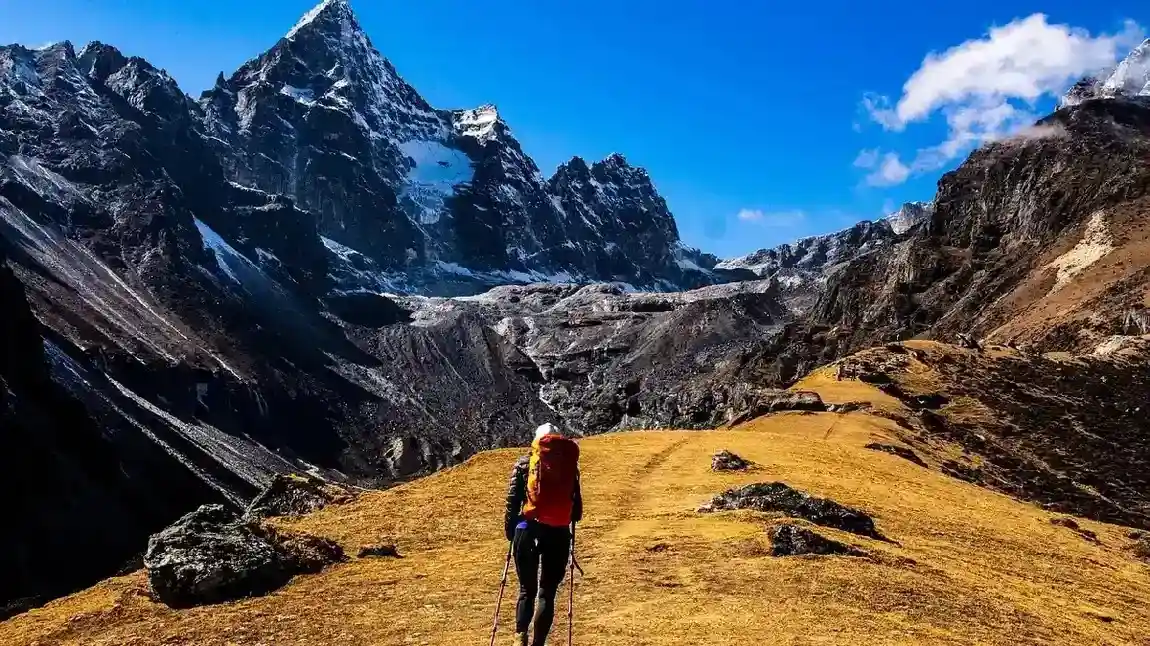
Monsoon trekking in Nepal is not one experience. It is two completely different experiences, and which one you get depends entirely on which side of the Himalaya you are standing on. Walk the southern slopes in the monsoon and you will spend two weeks in warm rain, wet boots and clouds. Walk sixty kilometers north, behind the main Himalayan range, and you will be in a dry, wind-carved desert under blue sky, with the trails to yourself and lodges that have space, time and hot water. Same country, same month, entirely different trek.
In this guide, you will find the regions where monsoon trekking works beautifully, the three famous routes we refuse to run between June and September, the seven risks ranked by how likely they actually are, and a detailed look at what monsoon means specifically for women trekkers on the trail.
When Is Monsoon in Nepal, Exactly?
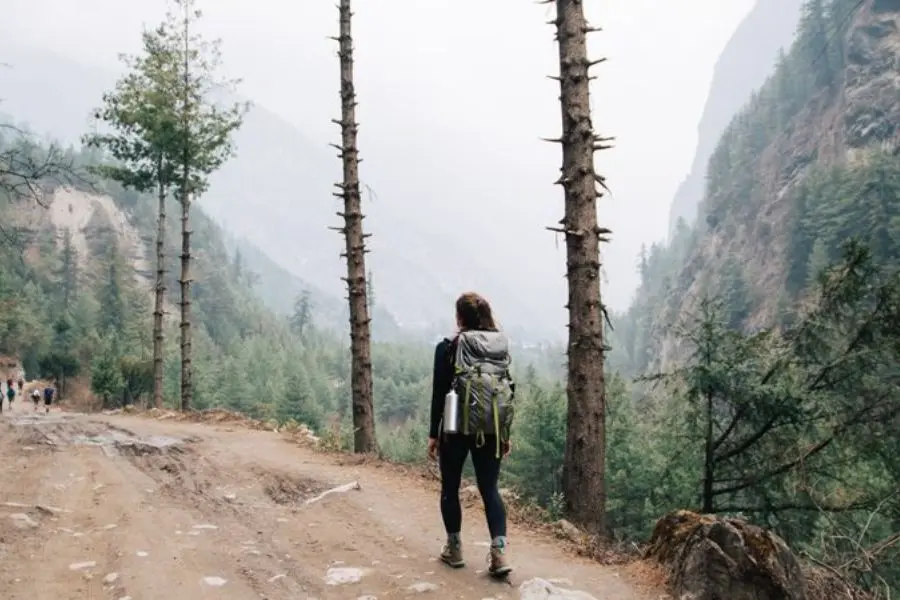
Nepal's monsoon runs from roughly mid-June to late September. Moisture-heavy winds arrive from the Bay of Bengal, build through July, peak in August, and retreat gradually through September. The southern lowlands take the heaviest rainfall by a wide margin. The middle hills, where most of the classic trekking trails begin get regular showers broken up by long stretches of sun.
Here is the detail that most seasonal guides skip, and it changes everything about how a monsoon trek is planned: the rain is concentrated in the afternoon and evening. Mornings are frequently clear, sometimes brilliantly so, with cloud building throughout the middle of the day and breaking after two or three o'clock.
That is not weather trivia. It is the reason a properly run monsoon itinerary starts walking at six in the morning and has everyone at the next lodge by early afternoon, boots off, tea in hand, while the rain arrives.
June: The Transition Month
Early June is often still comfortable in the middle hills, with the monsoon typically breaking somewhere around the middle of the month. Expect warmth, rising humidity, and the first leeches appearing on forested sections at lower altitude.
June is a gamble in the wrong regions and excellent in the right ones. Upper Mustang and Dolpo are already reliable by the time the rain breaks elsewhere.
July: Peak Rain
The wettest month across the country, and the month with the highest road disruption risk. There is no sensible argument for walking the southern slopes in July unless you actively want to be wet for a fortnight.
While the northern slopes where the Upper Mustang and Dolpo region lie are at their best, as they are part of rain shadow regions.
August: Wet, Green, and Culturally Rich
Similar to July, August is also heavy on rainfall. Trails on the southern side are at their most overgrown and the leeches are at their most enthusiastic. In the north, conditions stay dry and stable.
August also brings two of Nepal's most atmospheric festivals,Janai Purnima and Gai Jatra, which fall in the middle of what is otherwise the quietest tourist window of the year. If cultural immersion matters more to you than mountain panoramas, this is an underrated month to be in the country.
September: The Reopening
The rain pulls back steadily throughout the September month. The first half is still genuinely monsoon; the second half opens up fast. By mid-to-late September, Langtang, Mardi Himal and the Poon Hill circuit become properly viable again, and visibility improves almost by the day as the air clears.
If your dates are flexible and you want to catch the tail of the green season without the full commitment of July, late September is the sweet spot.
Where Monsoon Trekking Is Genuinely Safe: The Rain-Shadow Regions
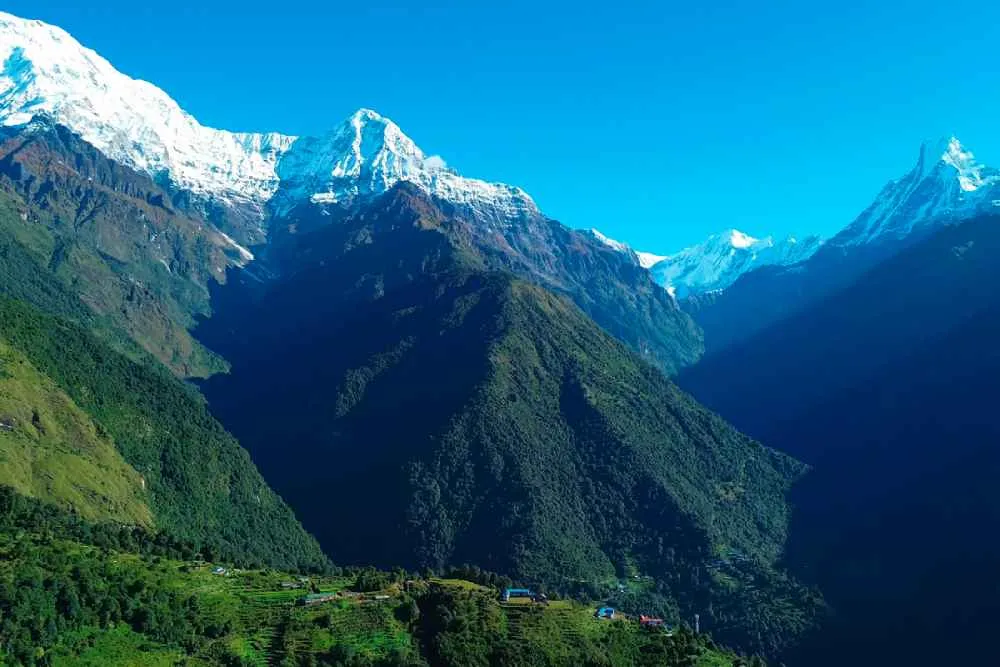
The mechanism is simple. Monsoon winds travel north carrying enormous quantities of moisture. When they hit the wall of the Himalaya, they are forced upward, cool rapidly, and drop almost all of that water on the southern slopes. By the time the air crosses the main range and descends on the northern side, it is dry. The regions sitting behind that wall, geographically in Nepal, climatically on the Tibetan plateau receive a fraction of the rainfall that falls fifty kilometres to the south.
These are the places to walk between June and September.
Upper Mustang
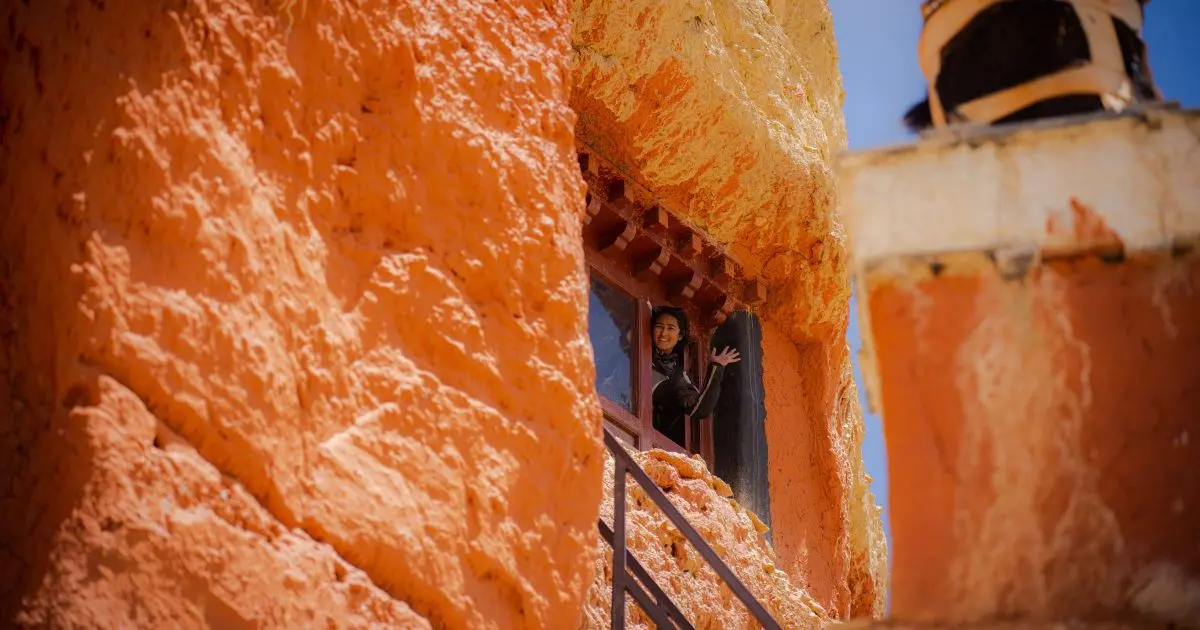
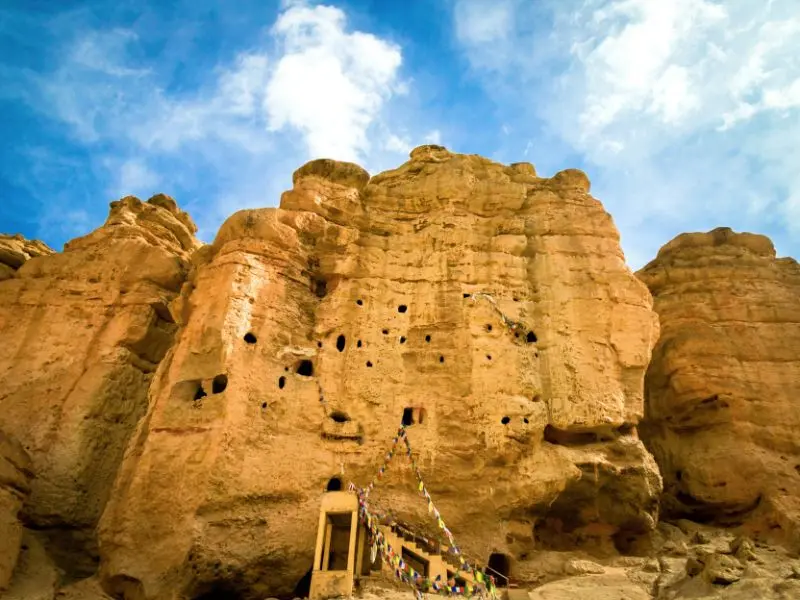
The premier monsoon trek in Nepal, Upper Mustang sits at 3,800–4,200 metres in a landscape of eroded red cliffs, wind caves and ochre canyons, culminating in the walled city of Lo Manthang. The culture here is Tibetan in language, architecture and Buddhist practice, preserved by the same isolation that keeps the rain out.
It is not a technically hard trek, but it is a long one, and the wind in the afternoons is relentless. A Restricted Area Permit is required, and a licensed guide is mandatory. Permit costs are significant so, budget accordingly and confirm current rates when you book, as they are reviewed periodically.
Dolpo and Shey Phoksundo
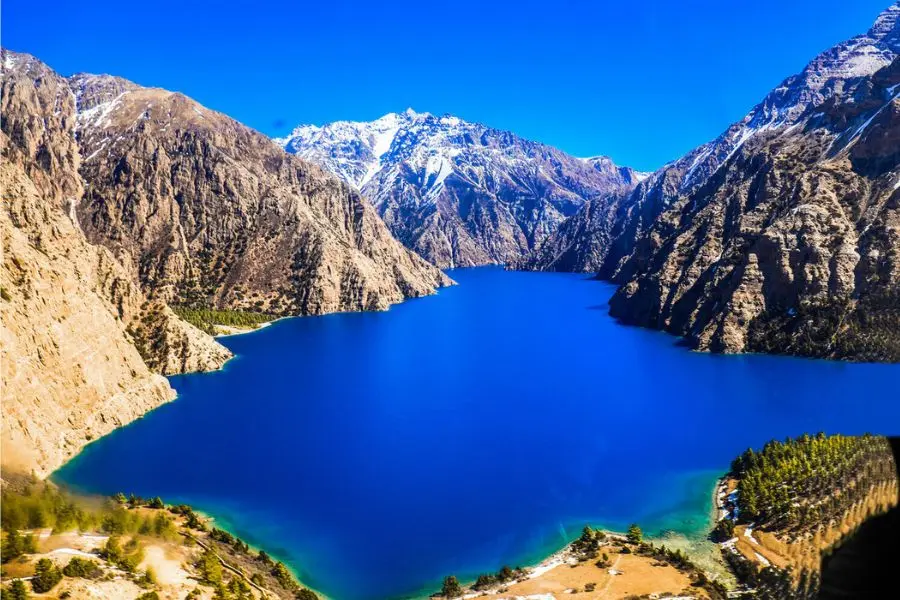
Behind the Dhaulagiri massif in Nepal's far west, Dolpo is remote in a way that few trekking regions still are. Shey Phoksundo Lake sits at around 3,600 metres, an almost violent turquoise against bare rock.
There is a counterintuitive point worth understanding here: Dolpo is most accessible during monsoon, because the high passes that lock the region up for much of the year are snow-free in summer. The season that closes the rest of Nepal trekking is the season that opens the Dolpo and Shey Phoksundo trek.
This trek is long, remote, with limited infrastructure and real logistical complexity. It suits experienced trekkers who have done multi-week trips before.
Nar Phu Valley
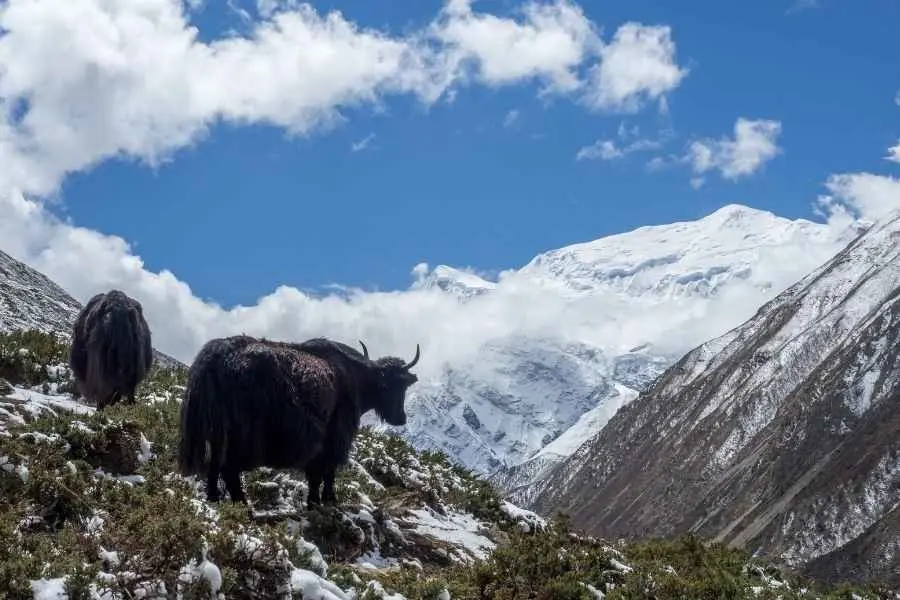
A restricted area tucked north of the Annapurna range, Nar Phu Valley offers a genuinely hidden-valley experience: medieval stone villages, ancient gompas, and trails that stay empty even in peak season. It is dramatic without carrying Upper Mustang's permit cost, which makes it a strong choice if you want remoteness on a tighter budget.
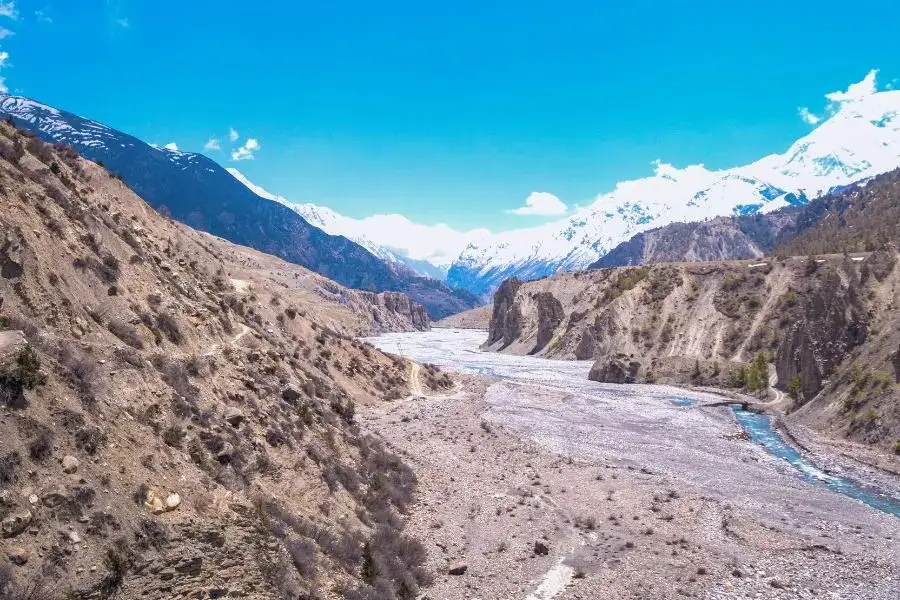
Manang and the Manang–Jomsom Section
Sheltered by the Annapurna massif, the northern arc of the Annapurna region stays comparatively dry through the summer. This is the accessible entry point to monsoon trekking and is shorter, cheaper, and without the restricted-area paperwork that Mustang, Dolpo and Nar Phu require.
For a first monsoon trek, or for anyone with two weeks rather than three, this is usually the right recommendation.
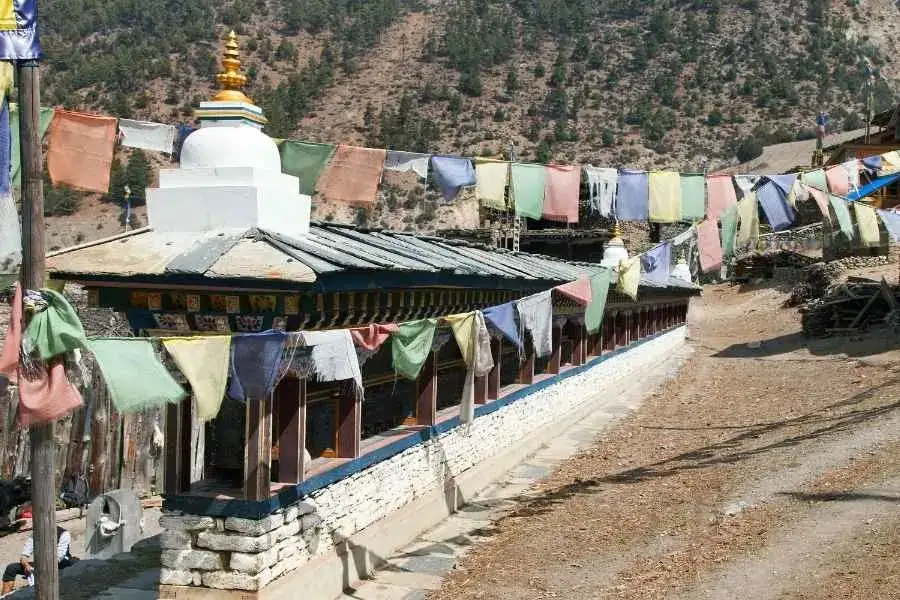
Tsum Valley and Nubri
Partially sheltered by surrounding peaks, the Tsum Valley is a sacred Buddhist landscape with a strong cultural pull with nunneries, hermitage caves, and a long-standing tradition of non-violence toward animals. Conditions are less bone-dry than Mustang, and the approach carries more monsoon exposure, so timing and daily route calls matter more here.
Where We Don't Run Treks During Monsoon and Why
Everest Base Camp Trek
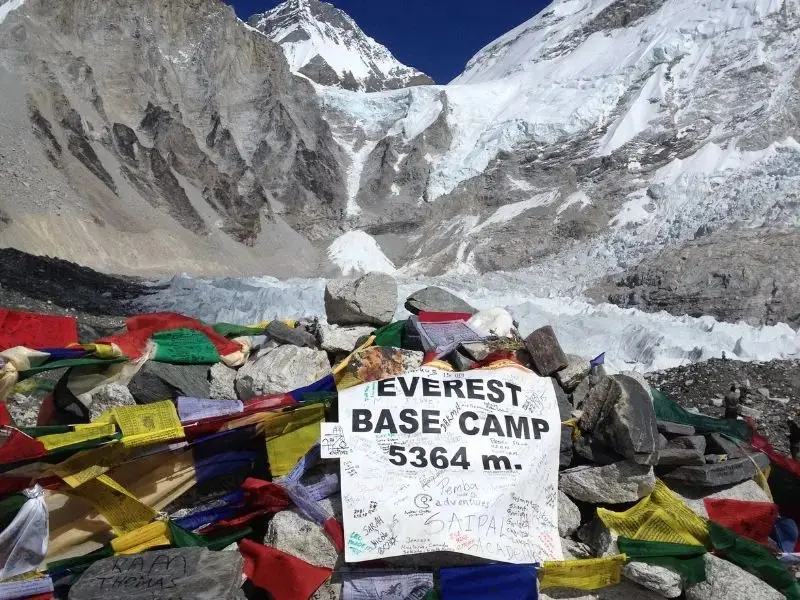
Two problems, and both are structural rather than fixable. First, access: flights into Lukla are entirely visibility-dependent, and monsoon cloud cancels them frequently and unpredictably. Trekkers regularly lose days at either end waiting for a weather window that may not open. Second, the views. Everest Base Camp is a trek people do to see specific mountains from specific places, and in monsoon, those mountains are inside a cloud. The trail above Namche also gets slick on the steep, stone-stepped sections.
Manaslu Circuit Trek
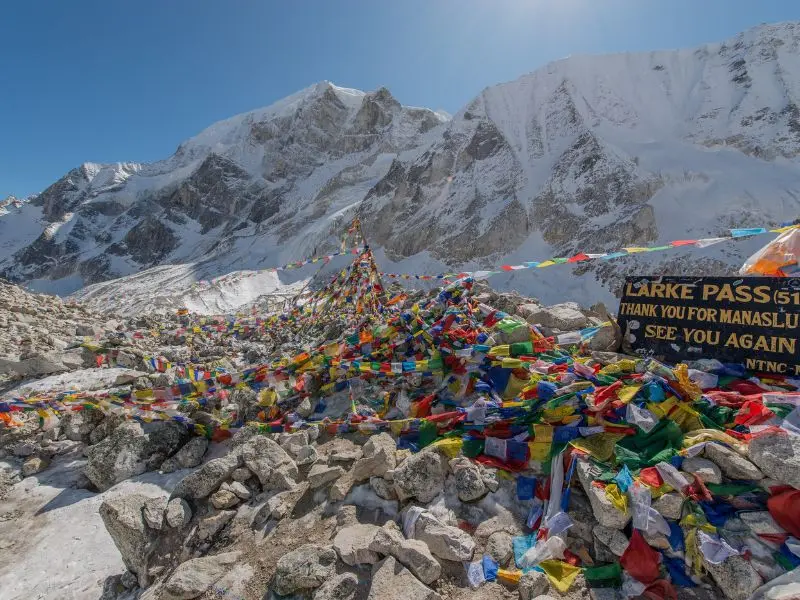
The Manaslu Circuit trek combines everything monsoon does badly: a long road approach through highly landslide prone terrain, a trail that runs alongside and repeatedly crosses a major river system, and sections vulnerable to washout and rockfall. Trail damage during and after heavy rain is common, and the consequences of being on the wrong side of a slide in a remote valley are serious.
Annapurna Circuit Over Thorong La
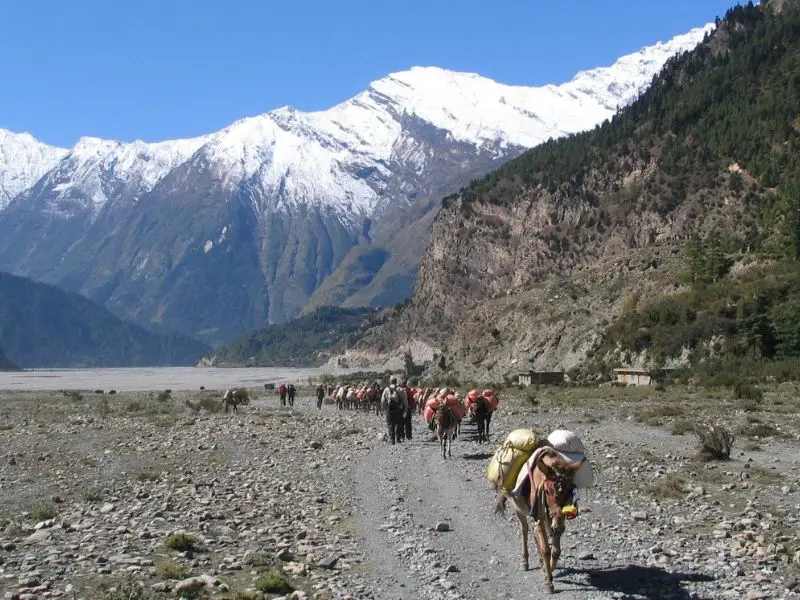
Thorong La at 5,416 metres is a demanding pass in perfect conditions. Monsoon precipitation, which arrives as snow at that altitude plus low visibility and unstable footing, and the risk profile changes considerably. The lower road-adjacent sections of the Annapurna circuit also deteriorate badly in heavy rain.
The Seven Real Risks of Monsoon Trekking in Nepal
The seven real risks of monsoon trekking in Nepal are:
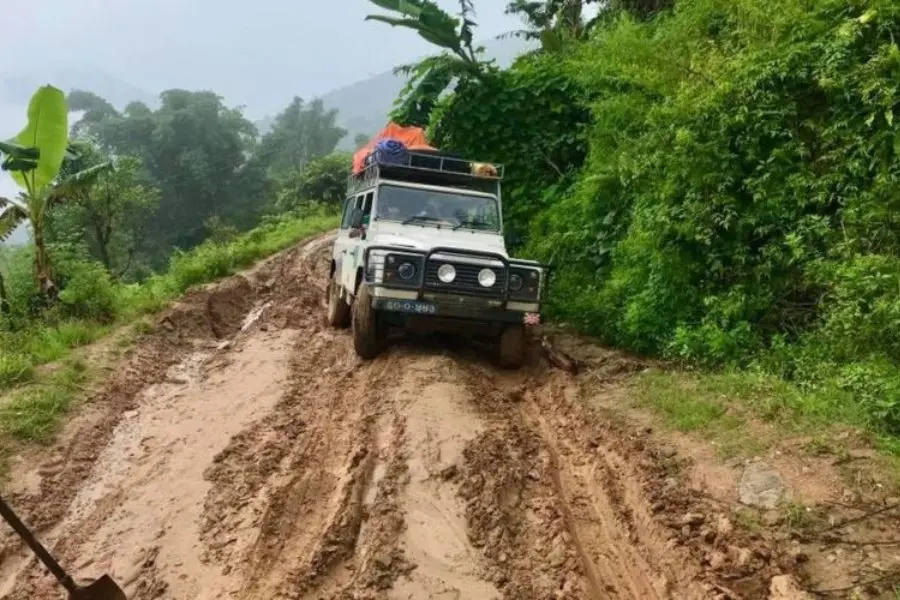
1. The Roads, Not the Trails
The single most likely thing to disrupt a monsoon trek is not the trek. It is the highway that gets you to the trek. Landslides, washouts and flooding regularly close the routes linking Kathmandu to Pokhara, to Chitwan and to the eastern and western hills. During heavy spells, authorities advise avoiding non-essential road travel altogether and checking conditions on the morning of departure rather than relying on yesterday's information.
The practical consequence is straightforward: two buffer days are non-negotiable on any monsoon itinerary.
The second consequence is that someone needs to be making live decisions. Road status changes from hour to hour in monsoon. So, check conditions the morning of every transfer, and hold in place for half a day or reroute entirely than push a vehicle onto a highway that has active slide activity on it.
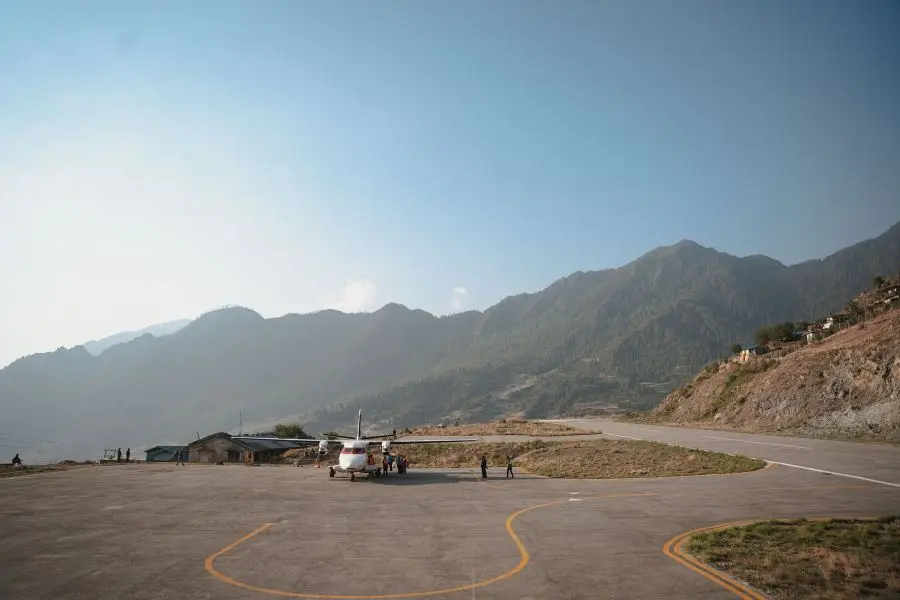
2. Domestic Flights
Lukla, Jomsom and Nepal's other mountain airstrips fly on visibility. In monsoons, that visibility comes and goes. Cancellations are not a sign that something has gone wrong, but they are the system working correctly.
Plan for it rather than hoping around it. Build buffer days at both ends. Do not book an international flight home the day after your trek is scheduled to finish. If your itinerary depends on a mountain flight operating on a specific morning in August, your itinerary is fragile.

3. Waterborne Illness
This is the highest probable health event of a monsoon trek by a considerable margin, and it is almost entirely preventable. Water sources carry more contamination during heavy rain as runoff moves through catchments.
Purify everything — filter, tablets or a UV pen rather than relying on bottled water, which is both unreliable in remote lodges and an environmental problem on the trail. Eat food that is hot and freshly cooked. Be more careful than usual at very quiet lodges, where slower turnover means ingredients sit longer. Wash your hands properly before every meal; hand sanitiser is a supplement, not a substitute.
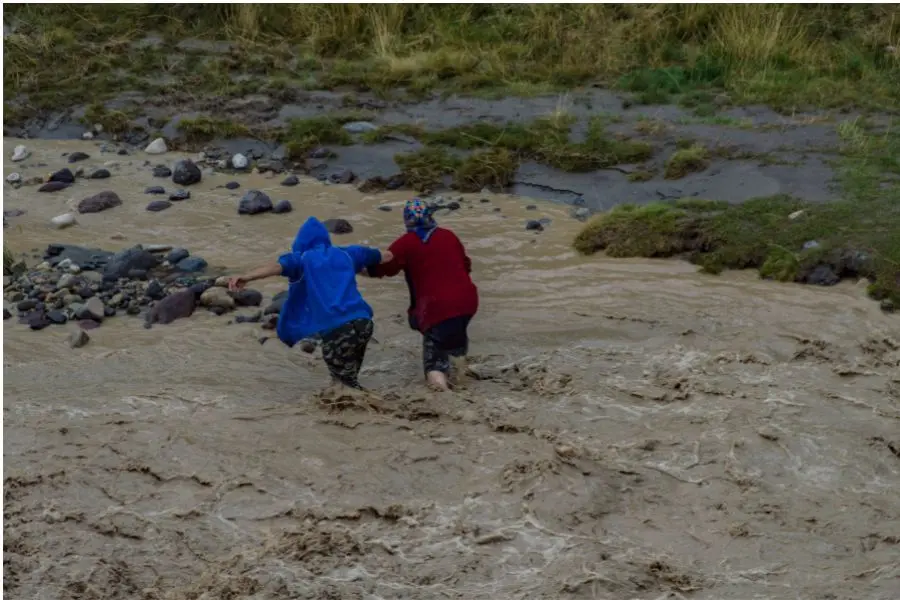
4. Slips, Mud and River Crossings
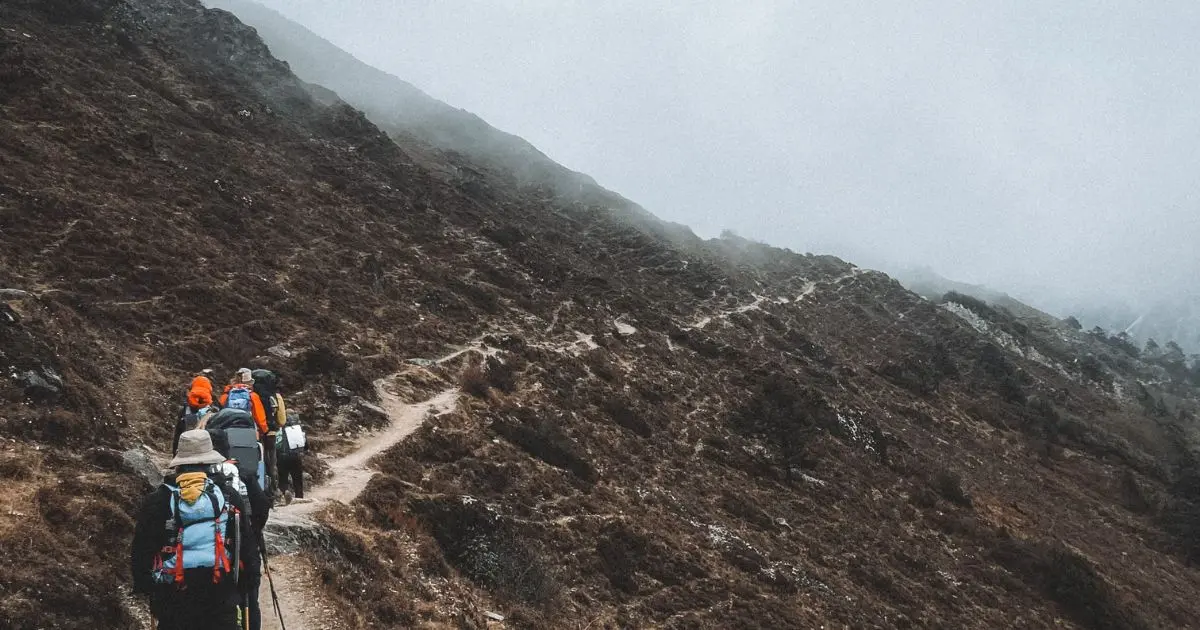
Wet stone is slippery, log bridges are worse, and mud on a steep descent will find you eventually. None of this is dangerous with sensible technique and equipment: trekking poles used properly, boots with genuine grip rather than fashionable tread, and a willingness to slow down on the sections that deserve it.
For river and stream crossings, timing matters. Water levels are typically lowest in the early morning, before the day's meltwater and rainfall arrive.
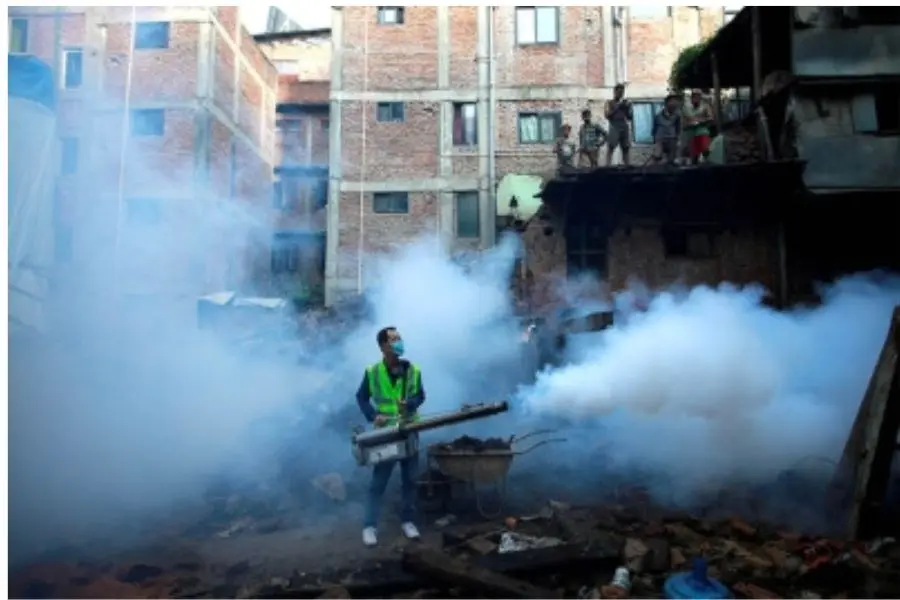
5. Dengue in Kathmandu, Pokhara and Lowland Transit Stops
Monsoon is dengue season in Nepal's cities and lowlands. As you will spend several days in Kathmandu and possibly Pokhara at the start and end of your trip, this is where your exposure will occur; not at high altitude.
Use repellent on exposed skin, cover up in the early morning and evening when the relevant mosquitoes are most active, and choose accommodation with screens or nets. It is a simple precaution and it takes almost no effort.
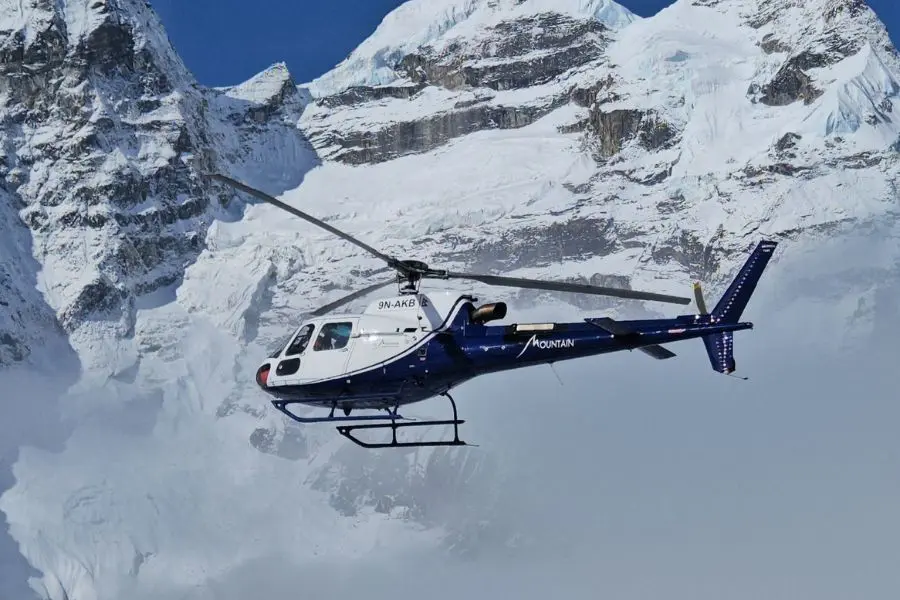
6. Helicopter Rescue Has Weather Limits
This is honestly the point that matters most. Comprehensive travel insurance covering high-altitude helicopter evacuation is essential. Do not trek without it. But insurance that covers a helicopter does not mean a helicopter can fly. In thick monsoon cloud, in a narrow valley, with no visibility, aircraft do not launch, no matter what your policy says or how urgent the situation is.
Which is exactly why route selection, conservative altitude gain and a guide with the experience and authority to call an early descent matter more in monsoon than they do in other seasons. In peak season, evacuation is a genuine backstop. In monsoon, prevention is the backstop, and the plan has to be built accordingly.
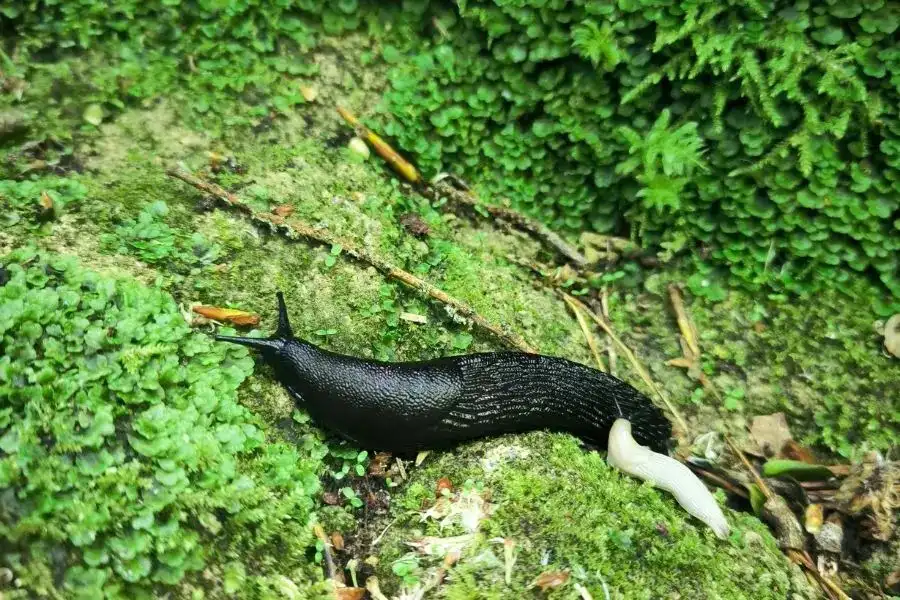
7. Leeches
Leeches are a nuisance rather than a danger. Leeches live in wet, forested terrain below about 3,000 metres, which means the rain-shadow treks are largely leech-free. Where they do occur, they attach painlessly, feed briefly, and drop off. The bite bleeds for a while because of the anticoagulant, then heals like any small wound.
To prevent them: long socks pulled over trouser cuffs, gaiters, and repellent or salt applied to your socks and boots; not your skin. To remove one that is already attached: slide a fingernail or a card sideways under the mouthparts and flick it off, then clean the bite and keep it covered.
Do not use salt, flame or repellent directly on an attached leech. It makes them regurgitate into the wound, which is the one thing that actually raises your infection risk.
What Women Trekkers Need to Know to Stay Safe During Monsoon Treks in Nepal
Monsoon is a good season to trek in Nepal for women if you know how to manage it properly as this season provides quite trail with the rawest, most colorful version of nature.
Managing Your Period When Nothing Dries
The defining problem of monsoon is humidity. Nothing air-dries. Not socks, not shirts, and not reusable menstrual products, which makes any system that depends on washing and drying essentially unworkable for two weeks in August.
So, plan around it. A menstrual cup is the strongest option: no drying required, no waste volume, and it works whether or not you can access a private washing space. If you prefer disposables, bring enough for the full trek plus your buffer days, because you will not reliably restock in a village at 3,800 metres. Carry sealed, opaque waste bags and pack everything out as teahouse bins are not disposal points, and waste does not decompose at altitude. Bring hand sanitiser and a small bottle for clean water if you are using a cup.
Keep everything in a dedicated dry bag. It stays dry, and it stays organised, which matters more than you would expect when you are unpacking in a dim lodge room at the end of a wet day.
Staying Dry: UTIs, Thrush and Chafing
The most under-discussed genuine health issue for women on a monsoon trek, and the most preventable.
Bring four to five pairs of quick-dry underwear for a two-week trip; merino or synthetic, never cotton. Change the moment you reach the lodge every single day, without exception. Never sleep in damp layers; damp fabric against skin overnight is how minor irritation becomes an infection you have to walk with for a week. Anti-chafe balm for inner thighs and under pack straps costs almost nothing and prevents a problem that is miserable to manage on the trail.
Dry your sports bra inside your sleeping bag overnight. Body heat will do what the air cannot.
And drink properly. Many women unconsciously reduce fluid intake to avoid toilet stops in the rain, which is precisely the behavior that produces urinary tract infections at altitude. Hydration is not optional, and dehydration compounds altitude symptoms as well.
Privacy on Wet Trails
Monsoon reduces the number of comfortable, sheltered places to stop. Gaps between lodges can be long. Rain gear is awkward to manage. A pee funnel or a dedicated pee cloth genuinely helps here, and both are worth practising with before you leave home rather than working it out for the first time in a downpour.
Beyond equipment, this comes down to who is walking with you. A female guide stops where you need to stop, reads the situation before you have to raise it, and does not need to be asked.
Quiet Teahouses Cut Both Ways
Monsoon means near-empty lodges. That is genuinely wonderful; space, quiet, attention from your hosts, and none of the peak-season scramble for a bed. It also means far fewer other trekkers around, in buildings that are often minimally staffed, in valleys where you might not pass another foreign group all day.
That is not a reason to avoid monsoon. It is a reason to think carefully about the structure of your trip.
Unplanned Overnight Stops
Road delays mean occasionally sleeping somewhere that was never on the itinerary. It happens in monsoon and it is not a crisis, provided somebody has a plan for it.
In practice: guide selects accommodation rather than defaulting to whatever is nearest to the blocked road, rooms are allocated within the group rather than shared with strangers, everyone knows where everyone else is sleeping, and there is a check-in before the group settles for the night. They are what makes an unplanned night a story rather than a problem.
You Can't Trek Alone
Since April 2023, foreign trekkers in Nepal's national parks and conservation areas must be accompanied by a licensed guide employed through a government-registered trekking agency. In March 2026, the Department of Immigration updated restricted-area rules so that solo travellers can now apply for restricted-area permits individually rather than having to find a trekking partner first but the licensed guide requirement remains, with a maximum of seven trekkers per guide in restricted zones.
How Your Packing List Changes for Monsoon
Only the differences from a standard autumn list are covered here, for everything else, see the full packing guide.
- A proper rain jacket, not a poncho: Ponchos catch wind and leave your legs exposed on ridge sections.
- Pack a rain cover and internal dry bags: Covers leak at the seams and around the harness. Everything that matters goes in a dry bag inside the pack.
- Use quick-dry clothes: No cotton anywhere, including underwear and sleepwear.
- Accept that your boots will be wet: Bring lightweight camp shoes so your feet get several dry hours every evening.
- Newspaper or boot-drying sachets: Stuffed into boots overnight, they pull out a surprising amount of moisture.
- More socks than you think: Six pairs minimum for two weeks.
- Gaiters and long socks: For mud and leech protection on lower sections.
- Sealed bags for electronics, plus a larger power bank: Batteries drain faster in damp, cool conditions.
- The women-specific kit above: Menstrual cup or disposables, sealed waste bags, extra quick-dry underwear, anti-chafe balm, pee funnel or cloth, dedicated dry bag.
To know more about the packing list for monsoon trekking for women, read our Monsoon Trek Packing List Nepal for Women article.
Region-by-Region Monsoon Suitability at a Glance
| Region | Monsoon suitability | Main risk | Best window |
| Upper Mustang | Excellent | Wind, permit cost | Jun–Sep |
| Dolpo / Shey Phoksundo | Excellent | Remoteness, logistics | Jul–Sep |
| Nar Phu | Very good | Road approach | Jun–Sep |
| Manang / Jomsom | Very good | Road approach | Jun–Sep |
| Tsum & Nubri | Good | Approach exposure | Jul–Sep |
| Langtang | Late season only | Wet trail, cloud | Mid-Sep onward |
| Poon Hill / Mardi Himal | Late season only | Mud, leeches | Mid-Sep onward |
| Everest Base Camp Trek | Not recommended | Lukla flights, no views | Late Sep onward |
| Manaslu Circuit Trek | Not recommended | Landslides, trail damage | Oct onward |
| Annapurna Circuit Trek (Thorong La) | Not recommended | Pass conditions | Oct onward |
How Women Adventures Runs Monsoon Departures
Here are a few of the policies Women Adventures follows for monsoon departures:
- A female guide on every departure, walking with the group rather than ahead of it.
- A maximum ratio of one guide to five trekkers, in line with restricted-area regulations.
- Itineraries built around the weather pattern: Early starts, early finishes, walking done before the afternoon rain.
- Two buffer days built into every monsoon trip as standard, not as a paid add-on.
- Road conditions checked on the morning of every transfer, with authority for the guide to hold or reroute.
- A stated willingness to reroute or cancel rather than push a group through a bad weather window.
Conclusion: Deciding Whether Monsoon Is Your Season
The honest verdict has not changed since the first paragraph. Monsoon trekking in Nepal is safe on the right routes with the right operator, and it delivers something the peak seasons cannot: empty trails, unhurried lodges, and a Himalaya that feels like it belongs to you rather than to the queue in front of you.
If your dates are flexible and solitude matters more to you than famous views, monsoon in the rain shadow regions is one of the best trips you can take in Nepal. If this is your one trip, and you have been picturing Everest from Kala Patthar for years, wait for October.
Browse our monsoon viable departures in Upper Mustang and Manang or get in touch with us through our website (https://womanadventures.com/contact-us) and talk your dates through with a female guide in Nepal who has walked these routes in Monsoon season.
Frequently Asked Questions
Is It Safe to Trek in Nepal During Monsoon?
Yes, on rain-shadow routes with a licensed guide and buffer days built into the itinerary. The main risks in monsoons are road landslides, cancelled mountain flights and waterborne illness rather than trekking itself. On the wrong routes like Everest Base Camp, Manaslu Circuit, the Thorong La crossing, monsoon conditions create real hazards that are not worth accepting.
Which Treks Are Best During Monsoon in Nepal?
Upper Mustang is the strongest option, followed by Dolpo, Nar Phu, and the Manang–Jomsom section of the Annapurna region. All sit north of the main Himalayan range in the rain shadow, where monsoon clouds have already dropped their moisture. Expect dry trails, clear skies and dramatically fewer trekkers than in October.
Can You Do Everest Base Camp in July or August?
Technically yes, practically no. Lukla flights cancel frequently in monsoon cloud, and the mountains for which the trek exists are usually hidden. Trail conditions above Namche deteriorate in sustained rain. Late September onward is the earliest sensible window for Everest Base Camp Trek.
Do Lukla Flights Operate During Monsoon?
They operate, but unpredictably, because they depend entirely on visibility. Cancellations and multi-day delays are common between June and September. If your trip involves a mountain flight in monsoon, build at least two buffer days at each end and avoid booking a tight international connection.
Are There Leeches on Nepal’s Trekking Trails?
Yes, in wet forested terrain below roughly 3,000 metres during monsoon. They are unpleasant but harmless. No venom, no disease transmission, just a bite that bleeds briefly. The rain-shadow treks recommended for monsoon are largely leech-free, and long socks with gaiters prevent most encounters elsewhere.
Is Nepal Safe for Solo Female Travellers During Monsoon?
Nepal is broadly welcoming to women travellers, but solo trekking is not legally permitted regardless of season. A licensed guide through a registered agency is mandatory in national parks and conservation areas. In monsoon specifically, trails and teahouses are very quiet, which makes group structure and a female guide more valuable than at any other time of year.
Do I Need a Guide to Trek in Nepal in 2026?
Yes. Foreign trekkers in national parks, conservation areas, and restricted zones must be accompanied by a licensed guide employed through a registered trekking agency. A March 2026 update allows solo travellers to obtain restricted-area permits individually, but it did not remove the guide requirement, and restricted zones cap groups at seven trekkers per guide.
How Do I Manage My Period on a Monsoon Trek?
Use a menstrual cup or bring enough disposables for the whole trip plus buffer days as nothing air-dries in monsoon humidity, so reusable pads are impractical. Carry sealed opaque bags and pack all waste out. Bring hand sanitiser and clean water for cup emptying and keep everything together in a dedicated dry bag.
How Much Does a Monsoon Trek Cost Compared to Peak Season?
Monsoon is low season, so flights, lodges and some permits are cheaper, and availability is excellent. The savings are partly offset by the buffer days, which a responsible monsoon itinerary requires, and by restricted area permit fees in Upper Mustang and Dolpo, which are the same year-round.
What Happens If a Landslide Closes the Road to My Trailhead?
On a properly structured trip, your guide checks road status on the morning of every transfer and either holds the group, takes an alternative route, or switches to a flight where one is available. This is what the buffer days are for. It is a normal monsoon occurrence rather than an emergency, provided the itinerary was built with slack in it.