
Tabel Of Contents
- Essentials for Every Trek
- 1. Comfortable Backpack
- Clothing Essentials for Both Short and Long Trek
- 2. Essential Trekking Clothes
- Important Tips
- Foot wears
- Water and Food
- Naviation and Safety
- First Aid and Personal Care
- 10. Toiletries and Hygine Items
- Additional Items for Long treks
- 13. Extra Clothing
- Things You Should Avoid Carrying
- Final Thoughts
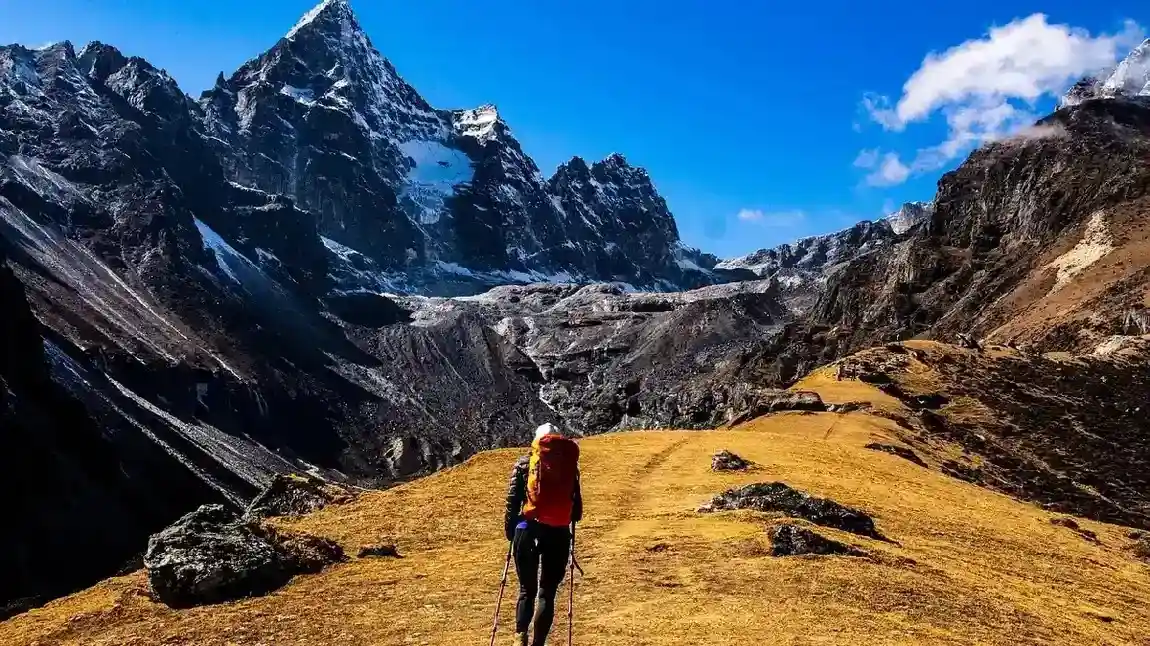
Trekking is one of the best ways to explore nature, challenge yourself and experience mountains up close. Whether you are panning a short trek or a long multiple days trek. It's very important to pack the right and essential gears as carrying a right gear makes your journey lighter, safer and enjoyable.
Many trekkers tend to not choose the right gears or tend to overpack and end of having the worst time in the trek. The key is to pack smart and carrying only what you truly need while staying prepared for changing weather and trail conditions.
In this guide, you'll learn what to carry for both short as well as long treks so you can trek comfortably and confidently.
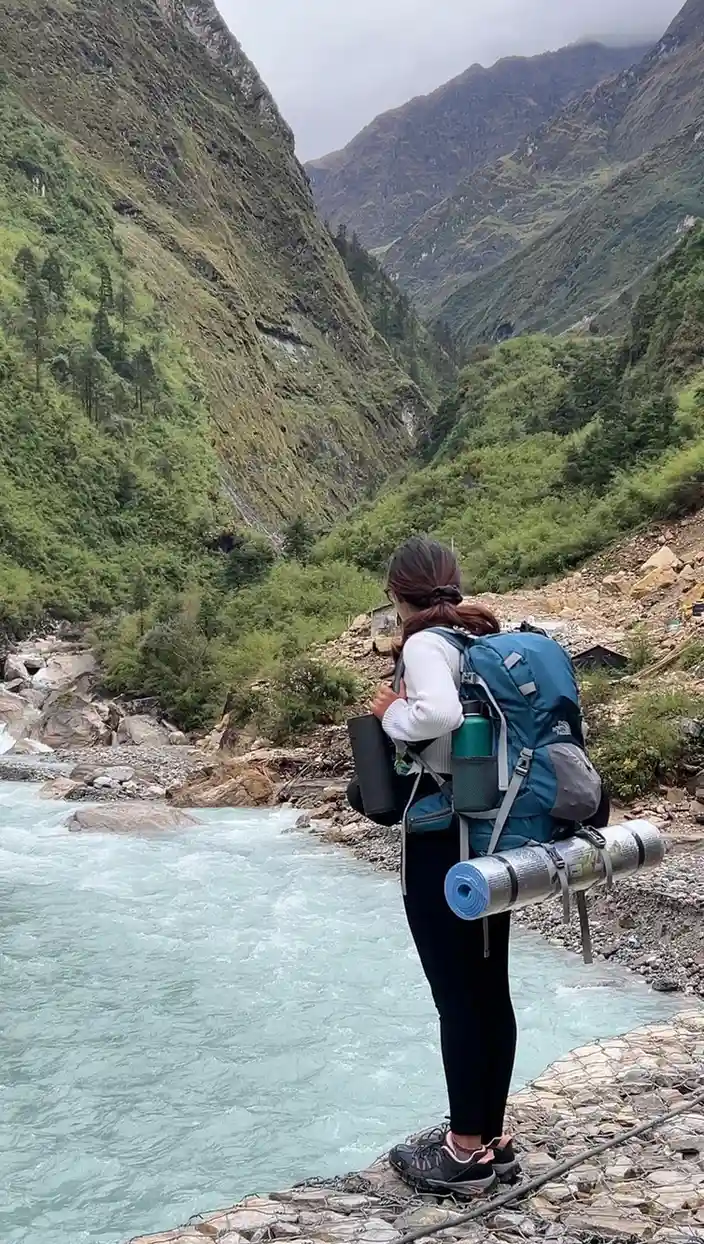
Essentials for Every Trek
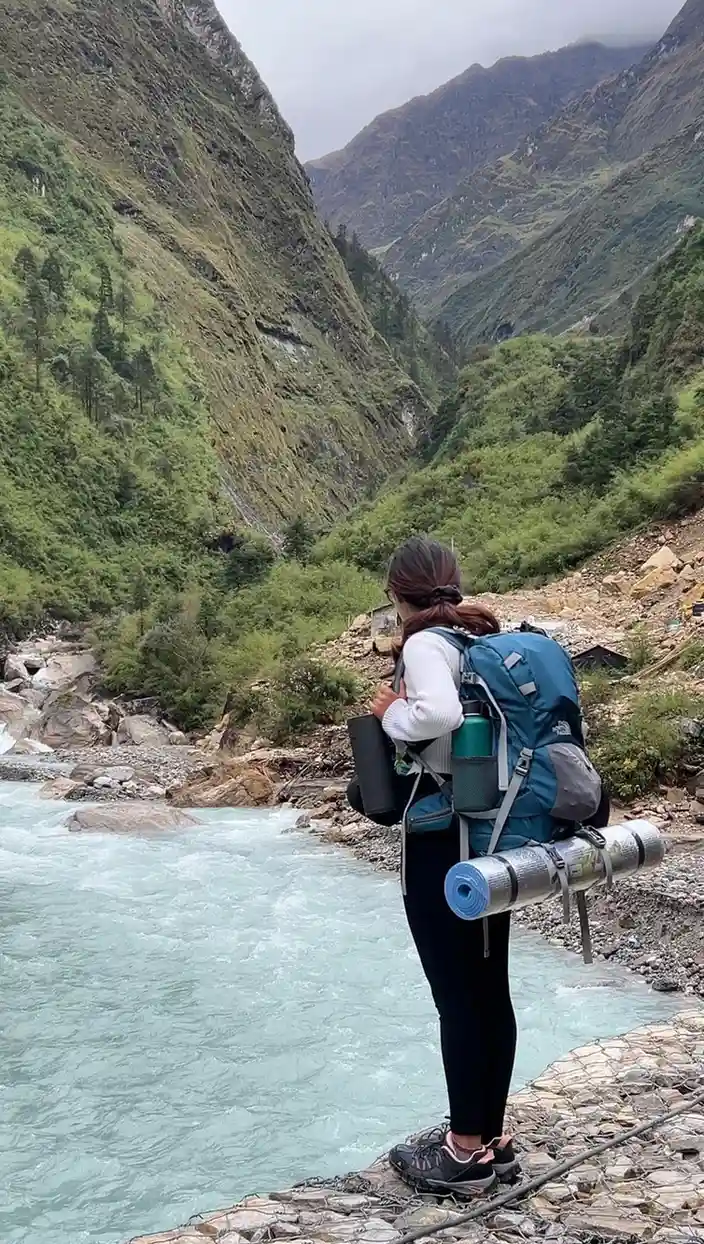
1. Comfortable Backpack
Choose a backpack based on trek length:
- 20–30L for short treks or day hikes
- 40–60L for long or multi-day treks
Look for:
- Padded shoulder straps
- Waist support
- Rain cover
- Lightweight design
Clothing Essentials for Both Short and Long Trek
2. Essential Trekking Clothes
- Moisture-wicking t-shirts
- Trekking pants (avoid jeans)
- Thermal base layers for cold weather
- Fleece or insulated jacket
- Waterproof jacket
- Comfortable trekking socks
- Gloves, cap, and neck gaiter for cold areas
- Breathable innerwear
- Sunglasses and hat for sun protection
Important Tips
- Always dress in layers to avoid cold
- Avoid cotton in wet or cold conditions and wear dryfit
- Carry extra socks and clothes for long treks
- Check weather conditions before packing
Foot wears
3. Comfortable Trekking Shoe
Good shoe are one of the most important investment.
Your shoe should have
- Have strong grip
- Be comfortable
- Support your ankles
- Be waterproof if possible
Never wear brand-new shoes on a trek. Break them in before your trip.
Also carry:
- Extra socks
- Lightweight sandals (Kito) or slippers for resting
Water and Food
4. Water Bottles or Hydration Pack
Staying hydrated is the must during a trek.
Carry
- Atleast 1-2 Liters of Water
Water purification tablets or water fillers
5. Energy Snacks
Quick snacks help maintain energy levels on the trail.
Good trekking snacks include:
- Energy bars
- Dry fruits
- Nuts
- Chocolate
- Electrolyte packets
For longer treks, carry extra snacks for emergencies.
Naviation and Safety
6. Phone and Offline Maps
During treks most of the place don't have good network. Even if network coverage is weak, offline maps can help you stay on track.
Useful items:
- Fully charged phone
- Offline map app
- Power bank
- Charging cable
7. Headlamps and Flashlights
A headlamp is extremely useful during
- A early morning hikes
- Night walks
- Emergency
Power outage in the teahouses
First Aid and Personal Care
9. Basic First Aid Kit
A small first aid kit can be very useful during a trek
Include
- Band aids
- Pain reliever
- Anticeptic cream
- Blister patches
Personal medication
10. Toiletries and Hygine Items
Carry travel sized essentials
- Toothbrush and toothpastes
- Tissue paper
- Wet wipes
- Hand Sanitizer
- Lip balms
Sunscreen
Additional Items for Long treks
Long treks require extra preparation because you have to spend long days in the reamote areas.
11. Sleeping Bags
For camping or cold-weather treks, carry a quality sleeping bag suitable for the temperature.
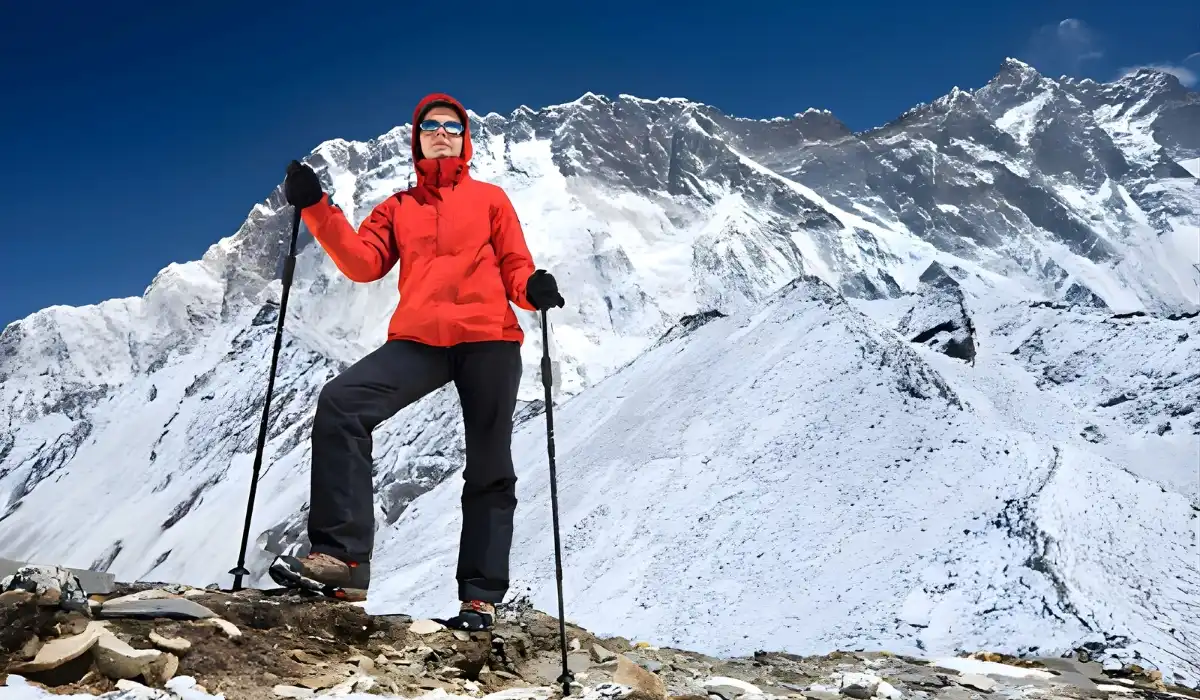
12. Trekking Poles
Trekking poles help reduce pressure on your knees and improve balance, especially on steep trails.
They are particularly useful during:
- Descents
- Snow treks
- Long-distance hikes
13. Extra Clothing
For multi-day treks, carry:
- Additional socks
- Extra base layers
- Backup gloves
- Lightweight towel
Pack clothes in waterproof bags or dry sacks to keep them dry.
Things You Should Avoid Carrying
Many trekkers carry unnecessary items that make the backpack too heavy.
Avoid:
- Heavy jeans
- Too many clothes
- Large perfume bottles
- Unnecessary gadgets
- Excess food
Remember: lighter backpacks make trekking easier.
Final Thoughts
Whether you are going on a short hike or a long mountain expedition, smart packing can greatly improve your trekking experience. Focus on carrying essential gear, dressing in layers, and keeping your backpack as light as possible.
The mountains are unpredictable, but proper preparation helps you stay comfortable, safe, and ready for adventure.
So pack wisely, lace up your boots, and enjoy the journey ahead.