
Tabel Of Contents
- Understanding Nepal Trekking Safety for Women
- Solo Female Trekking Safety in Nepal – Myths vs Reality
- Common Risks While Trekking in Nepal
- Safe Trekking Routes for Women in Nepal
- Accommodation Safety in Nepal Trekking
- Transportation Safety in Nepal for Women
- Practical Solo Female Trekking Safety Tips
- Emergency Support While Trekking in Nepal
- Should Solo Women Hire a Guide or Porter?
- Conclusion
- Frequently Asked Questions (FAQs)
Is it safe for women to trek alone in Nepal? The hands-down most common question women have when planning a trek in Nepal is whether it is safe to do so alone.
This guide is intended to address that gap, not infuse fear, nor give blind confidence. The guidance is based on how trekking in Nepal is done, not on stories people have made to sound enticing or bad travel tips.
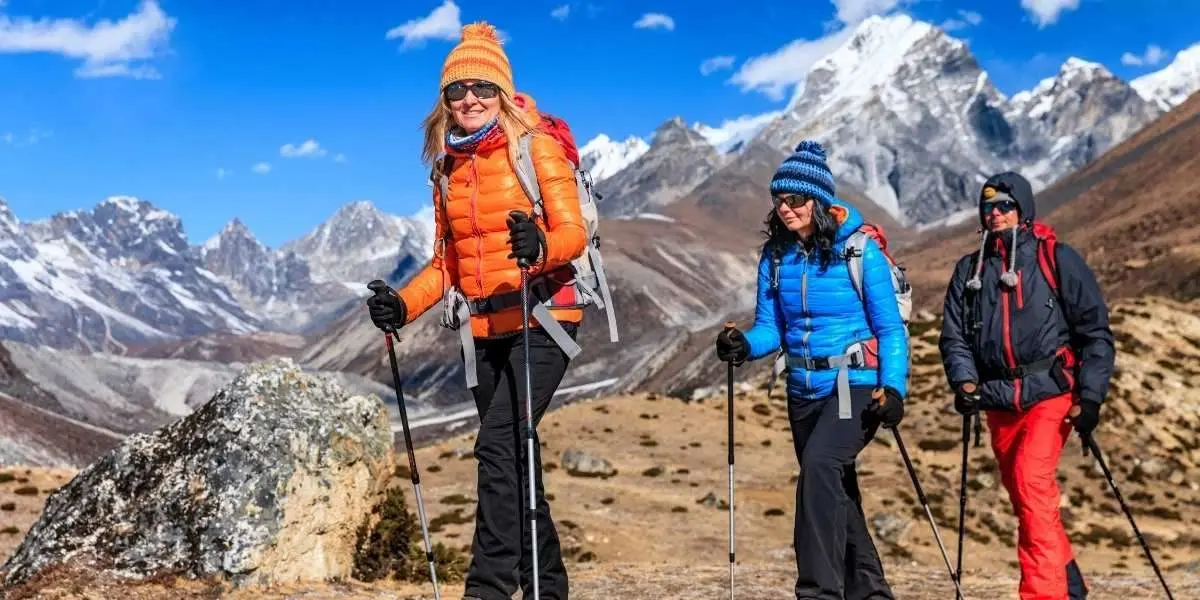
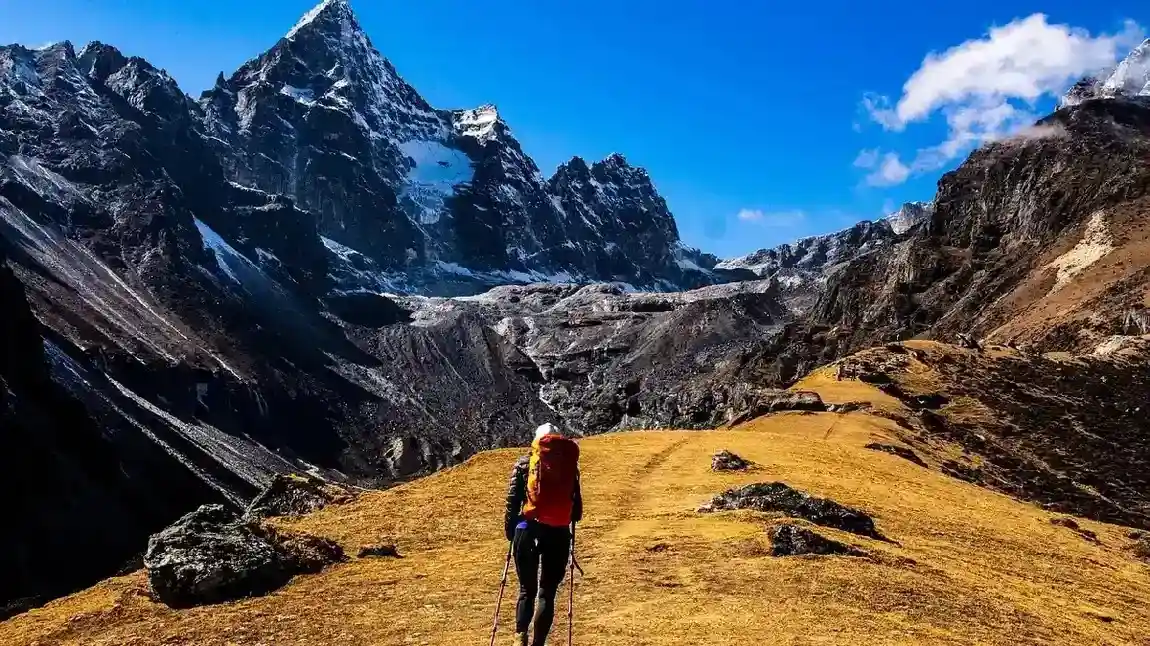
When women travel to Nepal, especially women traveling to Nepal for the first time, a common thing women do is prove that they can do it - and that is not what trekking in Nepal is about. What trekking in Nepal is about understanding where you are going, being wise enough to plan the best and safest routes, and being prepared for the terrain and weather. When you have all of that prepared, Nepal is often seen as one of the best places for women to travel alone and trek.
With all of that being said, the purpose of this article is to help you decide if solo trekking in Nepal is right for you, based on facts and realistic expectations.
Understanding Nepal Trekking Safety for Women
One of the biggest misunderstandings comes from comparing trekking areas to urban environments. Nepal’s trekking regions operate very differently from its cities.
Why Trekking Areas Feel Safer Than Cities?
- Tourism-dependent communities: Many mountain towns depend almost exclusively on trekkers. Your safety is directly tied to their jobs.
- Strong community accountability: Lodges, guides, porters, and shopkeepers know each other. Bad behavior circulates fast and is discouraged.
- Cultural respect for guests: Being polite to the guests is not about politeness but a social virtue.
This isn't to suggest that Nepal is perfect or women should let down their guard. It means that hiking trails are controlled environments with common standards, predictable paces, and social surveillance and is very different from unregulated travel settings.
Solo Female Trekking Safety in Nepal – Myths vs Reality
For many women, the idea of trekking alone in Nepal comes with a mix of excitement and understandable concern. Stories, assumptions, and well-meaning warnings often blur the line between real risk and imagined danger. Looking closely at common fears and how things actually play out on popular trekking routes can help replace anxiety with confidence and informed decision-making.
| S.N | Myth | Reality |
| 1 | It’s dangerous for women to go walking by themselves in remote countryside. | Many popular trekking routes have daily foot traffic, lodges every few hours, and regular interaction with other trekkers and locals. |
| 2 | Local men will harass solo women. | Harassment on trekking trails is rare. Cultural norms and reliance on tourism discourage it; basic awareness and respect for boundaries are usually sufficient. |
| 3 | Women need a guide to be safe. | On well-established trails, safety comes from preparation and knowledge, not gender. However, since 2023, Nepal requires a licensed guide on most regulated trekking routes. This is a legal requirement, not a reflection of ability. See the current guide rules and exceptions. |
| 4 | Solo trekkers are alone all the time. | While you may walk alone during the day, evenings are typically spent sharing lodges, meals, and conversations with others. |
Common Risks While Trekking in Nepal
When it comes to safety in trekking, we need to differentiate between actual objective dangers and imagined fears. The trekking scene in Nepal is challenging, but it's also established and predictable once you know what you're up against. The difficulties most trekkers face are environmental and physical—not social or gender-related.
The Main Risks Every Trekker Faces:
These are dangers that apply to anyone taking the trail. It doesn't matter who you are, where you come from, or how experienced you are.
- Altitude Sickness
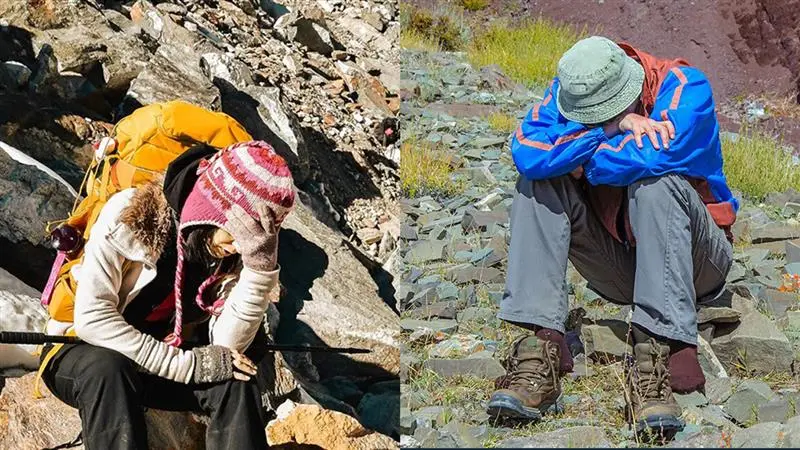
Elevation is the number one danger when you're trekking in Nepal. Most classic treks ascend above 3,000 meters, where oxygen levels decrease remarkably. The risk is not the height but a rapid ascent without acclimatization.
Altitude sickness can strike both first-time trekkers and seasoned hikers. Also, being fit cannot make you immune. Awareness, taking it slow, and rest days are your best defenses.
- Sudden Weather Changes
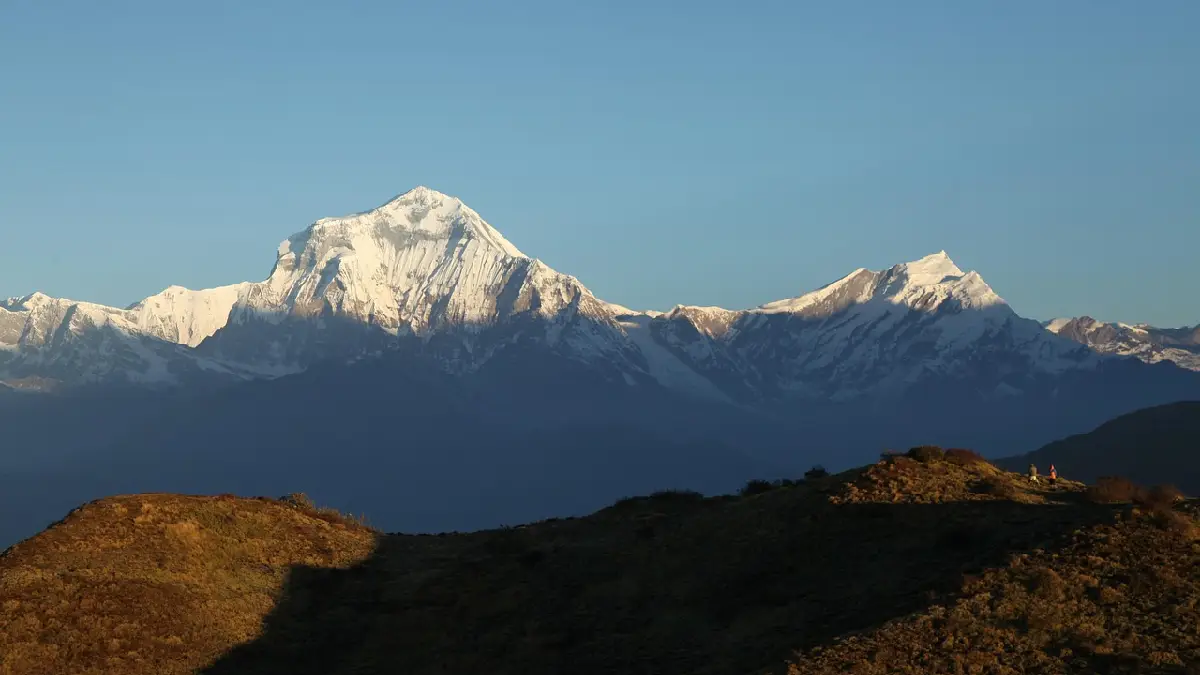
Weather in the mountains of Nepal is unpredictable. A morning with clear skies could give way to wind, rain, or snow in the afternoon—especially at higher elevations. It is possible to forecast conditions based on seasonal patterns in the Himalayas, but microclimates always keep an element of unpredictability.
Which is why it's also a good idea to start early each day, to check forecasts locally, and to build buffer days into your itinerary.
- Slippery or Narrow Trails
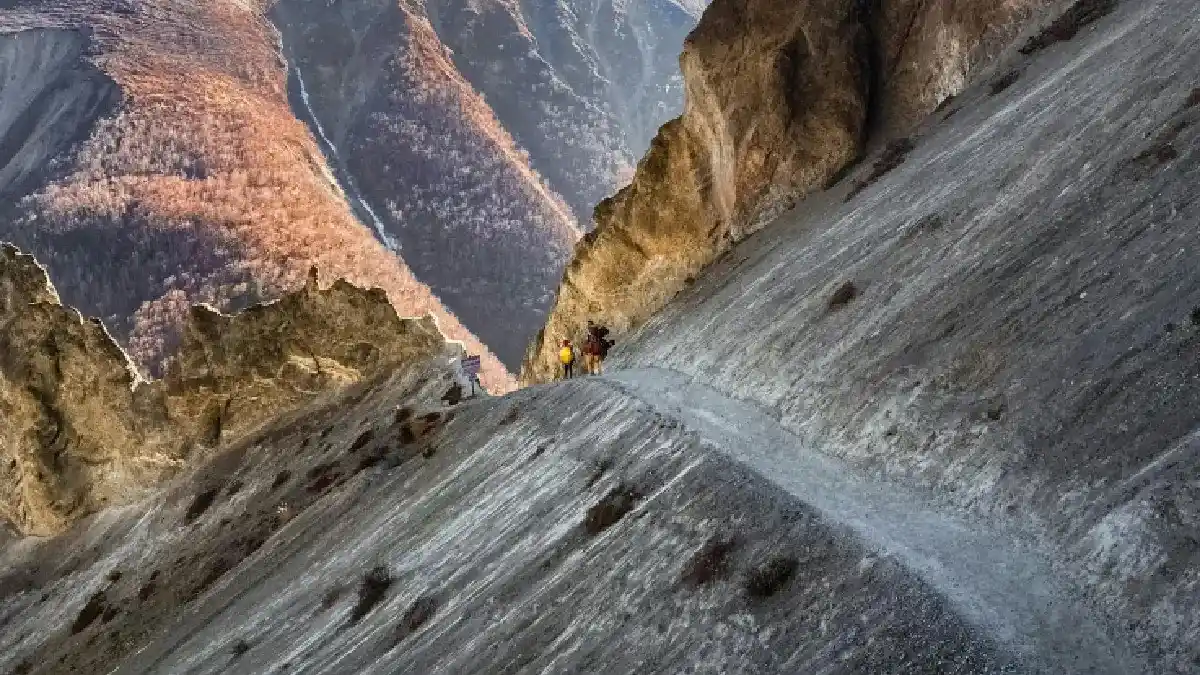
Most of the trekking trails follow mountain outlines, traverse rivers through hanging suspension bridges, or run through rhododendron-swathed forests and rocky terrain. During monsoon or snow conditions, trails can be muddy or icy.
It's the sort of place where good footwear, trekking poles, and unhurried walking really count. The vast majority of trail accidents occur because riders are rushing or distracted and not due to trail design.
- Fatigue and Overexertion
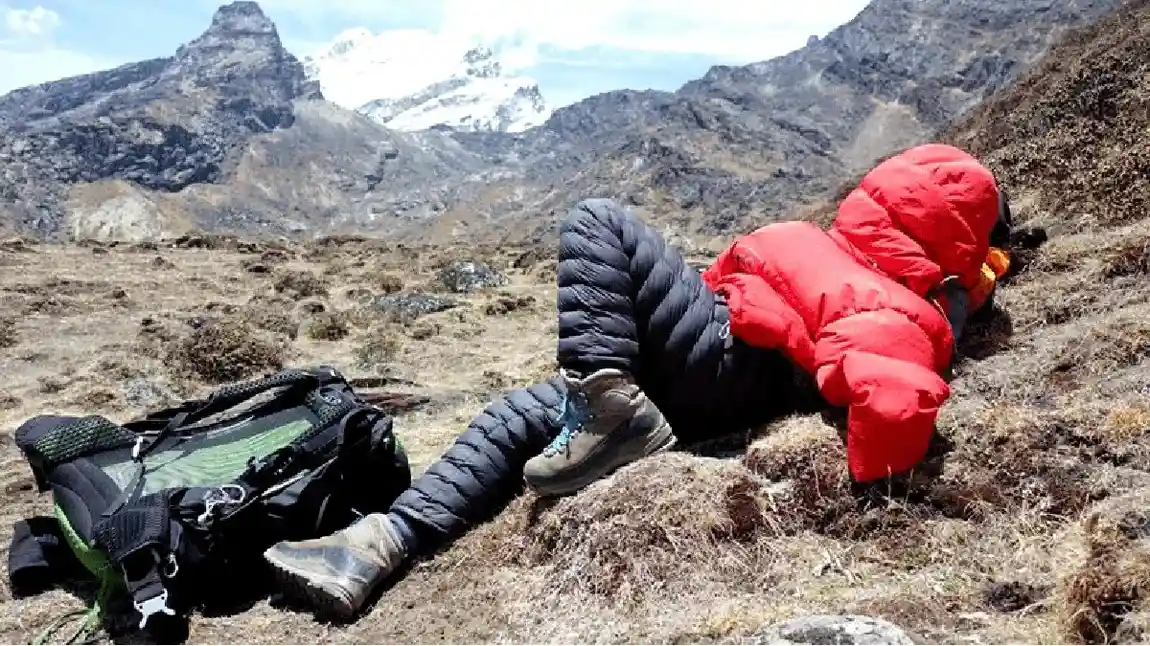
The long hiking days, elevation gain and repetition can wear down even the strongest trekker. Fatigue also raises risk for missteps, bad decisions and a vulnerability to illness.
Paying attention to your body, setting daily distances in a realistic zone, and taking those rest days seriously can help ward off burnout.
- Minor Illnesses or Injuries
Common issues include blisters, stomach aches, colds, and muscle pulls. They are seldom dangerous but can be significant if untreated, particularly at elevation.
Having the minimal first-aid supplies and addressing minor problems early prevents them from being trip-ending issues.
- Logistics Delays
Nepal's infrastructure is getting better, but delays are an accepted part of trekking life. Flights can be delayed by weather, roads may get blocked, or permits may take longer than expected.
Flexibility isn't just a state of mind here—it's also a safety tool. Trekkers who allow extra days experience less stress and make better decisions.
Solo Woman Trekking Risks in Nepal
Solo trekking does not increase the danger; it increases responsibility. Solo trekking isn't so much about physical fitness as it is a mental leap. Below are some of the risks women may face while trekking alone in Nepal.
- Decision Fatigue
When you travel alone, all decisions are yours: when to stop, when to push on, when to descend and even when it's time for a plan. B. This is mental drain over time.
The solution is structure. Preschedule daily distances, gains in elevation, and rest days to avoid making bad decisions on the trail.
- No Immediate Backup
If you feel sick, worried, or lost, there is no trekking partner to ask for advice as you are trekking alone. It may be daunting, particularly on extended treks.
But the popular trekking trails are almost never empty. Lodge owners, guides, and other trekkers are an informal support network. In this case, you're alone but not isolated.
- Mental Resilience
Alone time on the trail tests one's patience, confidence, and emotional stability. Days of quiet, physical exhaustion, and moments of doubt are normal.
Most women find navigating such moments on their own cultivates a strong sense of self-trust. You learn to trust your judgment, and often that confidence lasts long after the hike.
The key takeaway? These risks are manageable. With some planning, pacing, and self -awareness, trekking alone can be a very empowering instead of a stressful experience.
Altitude Sickness Safety in Nepal
Altitude is the gravest danger in Nepal. Altitude motion sickness is no stranger to anyone, not even an experienced climber. It doesn't matter how muscular, young, or well-trained you might be; AMS can affect anyone who tries to ascend quickly.
Common Early Warning Signs:
- A chronic headache that is not relieved by resting
- Nausea or loss of appetite
- Dizziness or lightheadedness
- Difficulty sleeping or unusual fatigue
The most common mistake of trekkers is the failure to take early symptoms seriously.
Practical Prevention Tips:
- Ascend slowly: Use recommended check rates for elevation gain
- Respect rest days: They are not a luxury
- Stay hydrated: Dehydration worsens symptoms
- Eat regularly: Even when appetite is gone
The Golden Rule
If symptoms worsen, descend immediately. You may not get the mountain view or the summit photo of that itinerary goal that so many worked for all year, but it's not worth your life. Descending isn't defeat but it's sensible tramping.
Women who respect altitude are much safer than those annoyed by the symptoms and decide to "prove" something.
Safe Trekking Routes for Women in Nepal
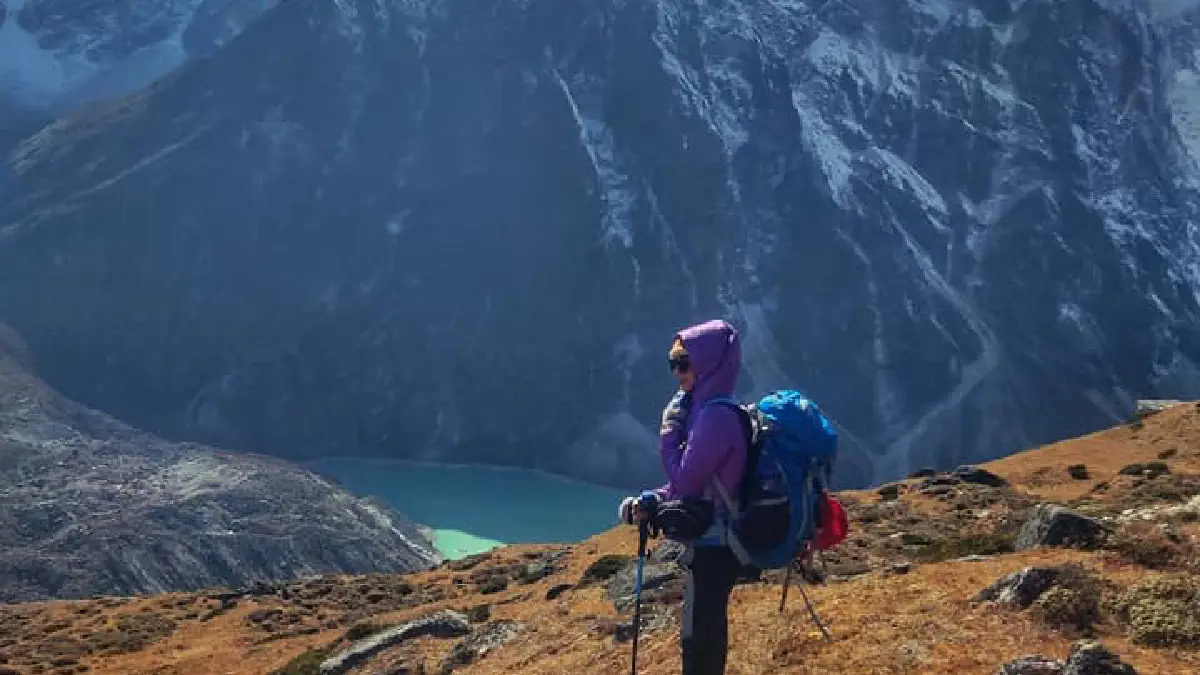
In trekking terms, “safe” does not mean easy or risk-free. It means well-supported.
Safe routes typically offer:
- Clearly marked trails
- Regular villages and tea houses
- Consistent foot traffic
- Wire or radio communication in several places
- Access to evacuation if needed
These aspects are risk-reducers and confidence-raisers, especially for solo trekking women.
Best Treks for Solo Female Trekkers in Nepal
Here are some of the most scenic, safe, and comfortable treks for women who want to trek alone in Nepal.
Ghorepani Poon Hill Trek
Why it works: friendly, social and super popular trek
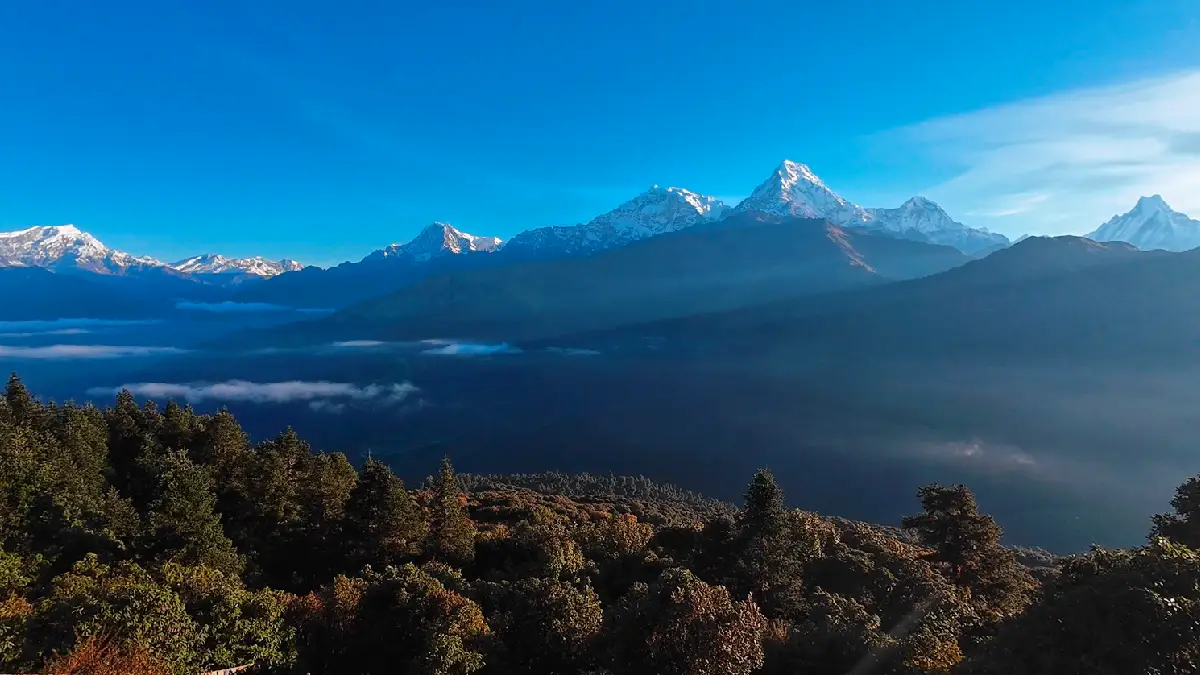
Ghorepani Poon Hill Trek is one of Nepal's most straightforward and confidence-inspiring treks. The trail is well-worn and populated year-round, and villages such as Ulleri, Ghorepani and Ghandruk are used to welcoming solo women. Teahouses are clustered near one another, clean, and family-run, so you're rarely on your own.
It's a relatively short trek (4-5 days), so it's perfect if you're new to trekking or have limited time. The sunrise views over Annapurna and Dhaulagiri from Poon Hill amount to an outsized reward for not much effort. If anything feels weird, you can always change your plan or cut it short.
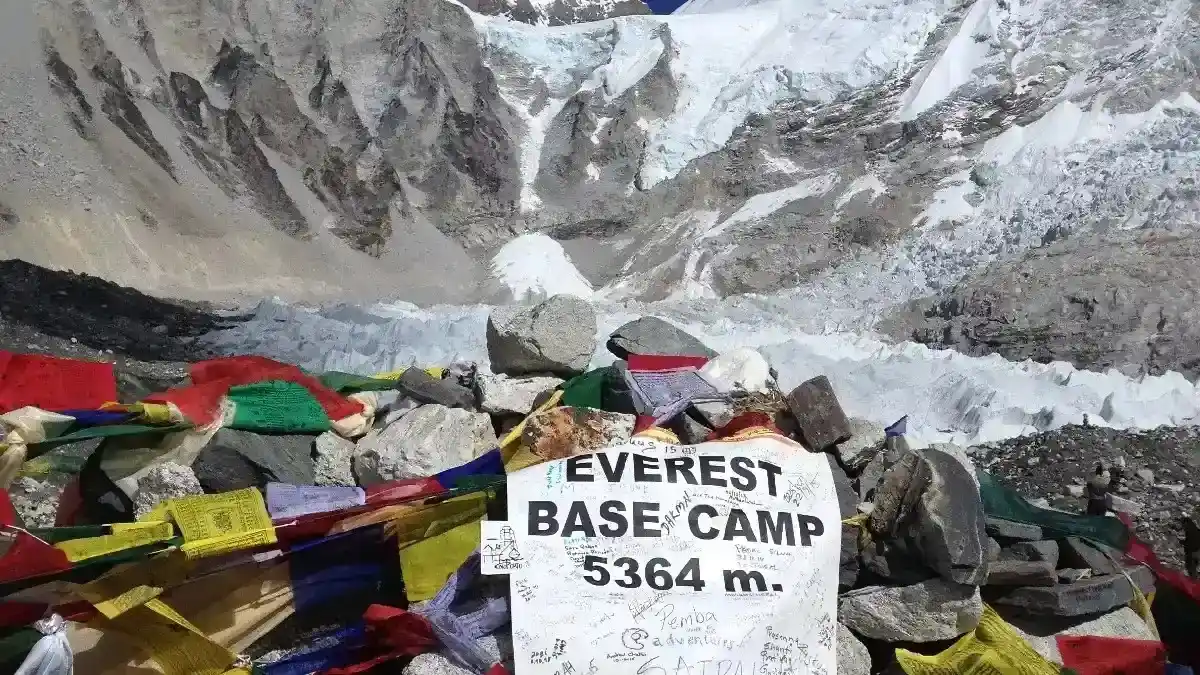
Everest Base Camp Trek
Why it works: Unmatched infrastructure and a continuous human presence.
Contrary to its reputation, Everest Base Camp Trek is one of the safest long treks for solo women, precisely because it's so busy. From Lukla, you will be walking among trekkers from all across the world. Lodges are plentiful and well-managed, used to having a solo traveler.
There is reassurance in the medical posts and communication facilities and clear emergency procedures. The primary obstacle is altitude, though it's mitigated by the slow ascent and built-in acclimatization days. Many solo women say they've ended up forming temporary trekking "bubbles" along the way too, which further contributes to a sense of security.
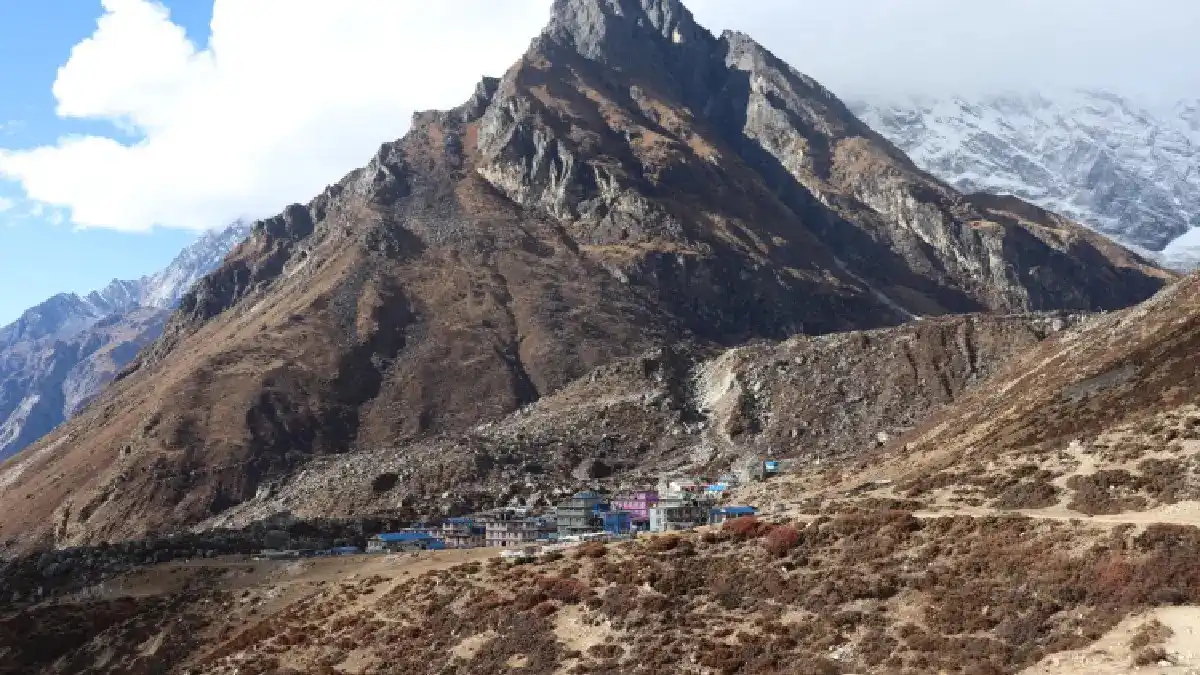
Langtang Valley Trek
Why this works: Small-town friendliness with a touch of isolation.
Langtang Valley Trek offers a quieter alternative to Everest while still being well-supported. There are Tamang and Tibetan-influenced villages that are welcoming places, with solo women often feel genuinely looked after by lodge owners.
The path is quite clear, and there are few enough people for it to feel uncrowded but enough trekkers around, so you don't become isolated. Altitude is gained gradually, not abruptly, so it is more accessible for those new to high -altitude trekking. It's also easily accessible from Kathmandu, which eases logistics.
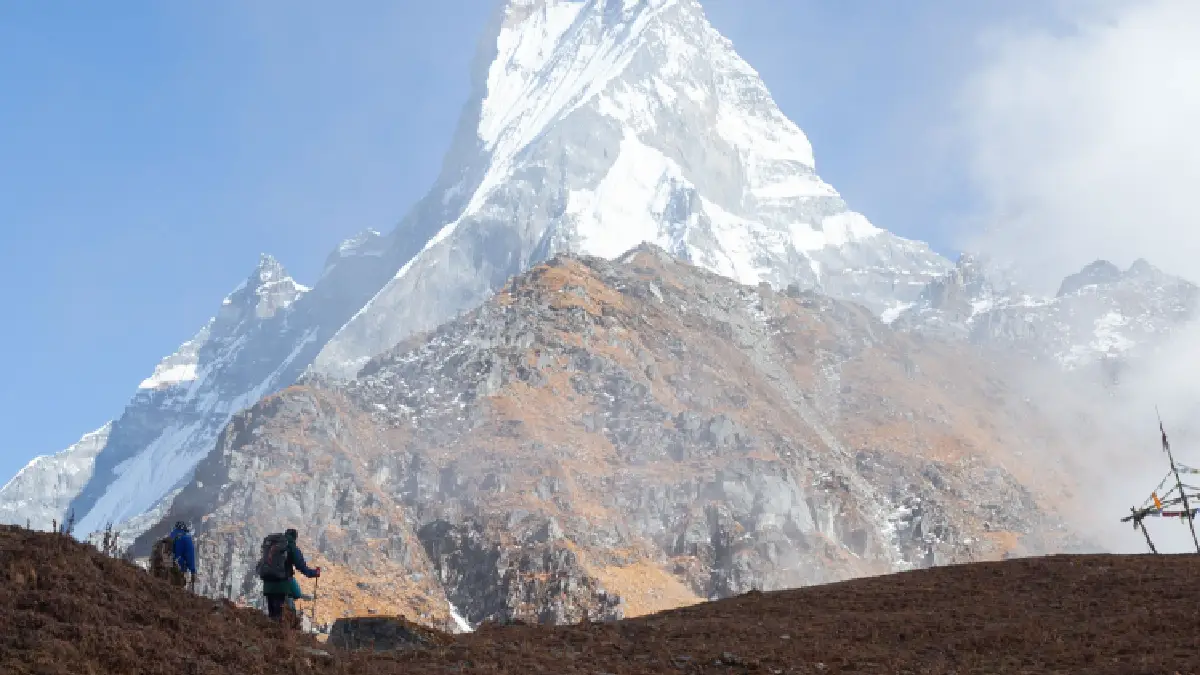
Mardi Himal Trek
Why it works: Peaceful trekking without going off-grid
Mardi Himal Trek offers the best balance between solitude and safety. It's not as crowded as Annapurna Base Camp, but the trail is now well-paved, and teahouses are present along the route.
This trek is excellent for the solo female who prefers less-trafficked trails and early nights in mountain huts but doesn't want to take any risks with more remote wilderness trekking. The scenery from the Mardi Himal, especially close-up views of Machapuchare is spectacular, and the short duration (5–7 days) keeps things comfortable and flexible.
Routes That Need Extra Caution
Some routes require more experience, confidence, and support, not because they are unsafe, but because there is less room for error, such as:
- Remote regions with limited accommodation
- High-altitude passes are exposed to weather
- Restricted areas with permit requirements
For these routes, hiring a guide or trekking with a support team is often the safer and better choice. Taking caution where necessary isn't a weakness, but it's a reasonable judgment.
Accommodation Safety in Nepal Trekking
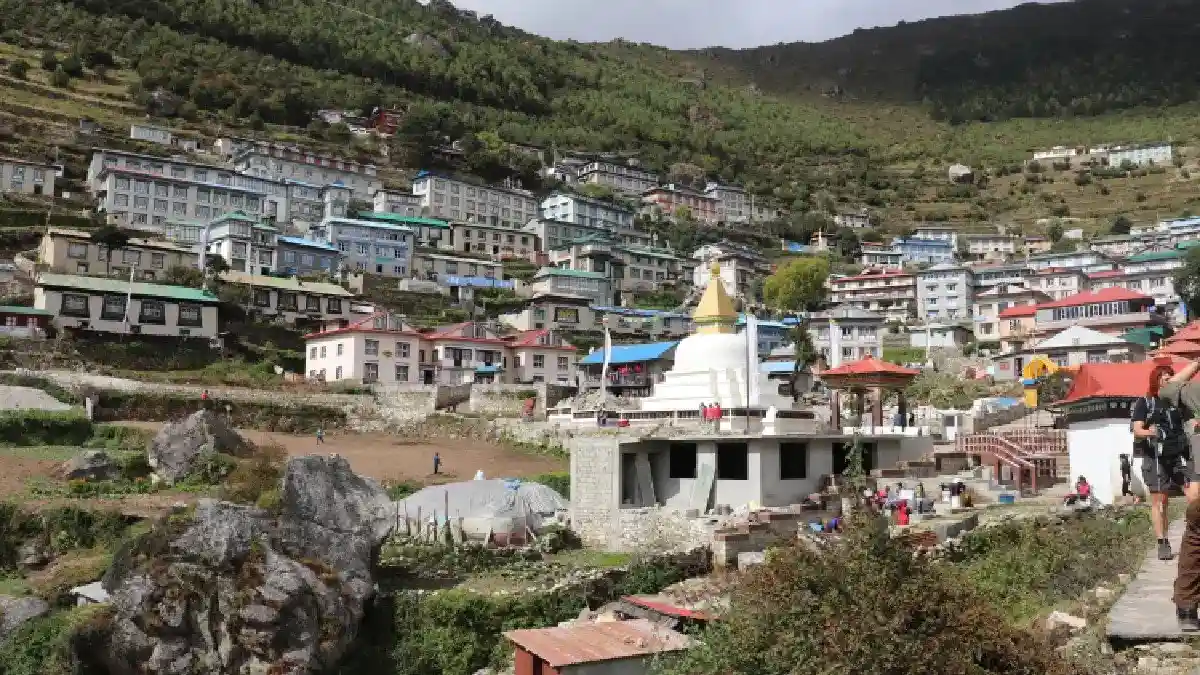
The teahouses are the center of Nepali trekking culture, and they are generally safe for women traveling alone.
What to Expect:
- Basic private rooms, sometimes adjoining with shared walls
- Shared bathrooms in many locations
- Warm communal dining areas
Practical Safety Tips:
- Pick group lodges with many guests staying overnight
- Monitor visitors that go into your room
- Keep valuables organized and secure
- Trust your instincts—comfort matters
Transportation Safety in Nepal for Women
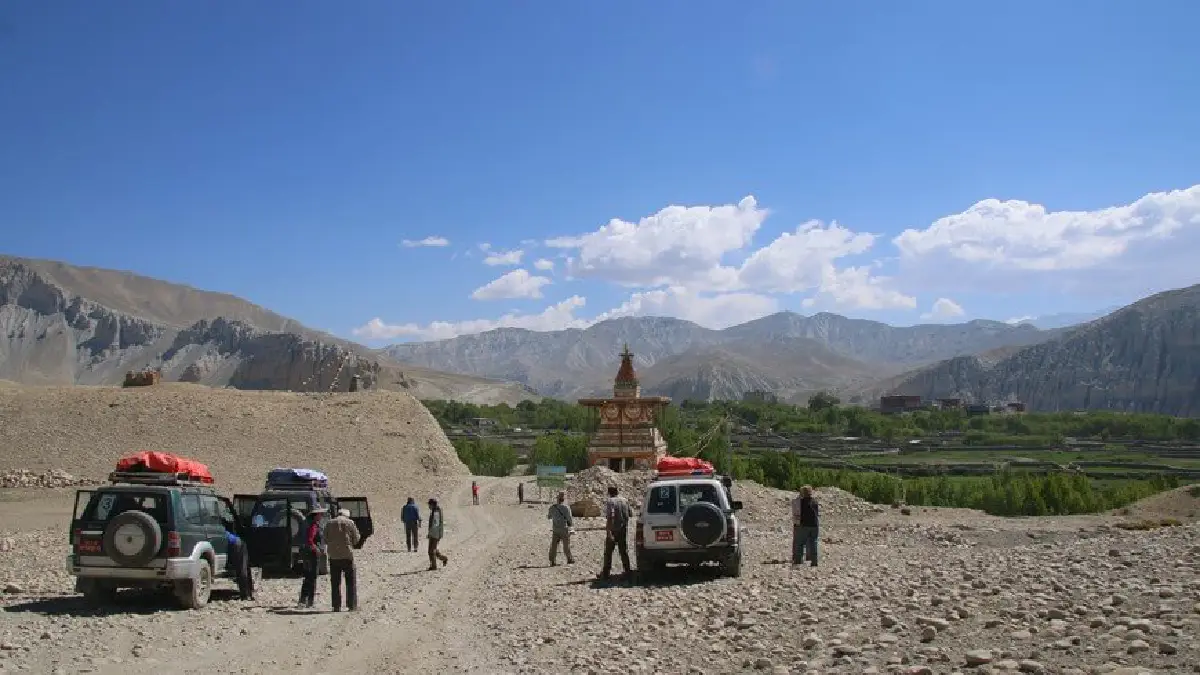
The trekking journey in Nepal starts well before the trailhead. From airport transfers and buses to rugged jeep rides, transportation plays a vital role. For solo women travelers, knowing how to navigate these transit stages safely and confidently ensures a smooth and enjoyable trek. Here are some of the safety tips for transportation in Nepal.
Buses and Jeeps
- The tourist bus is more secure than the local bus
- Daytime travel is strongly recommended
- Keep valuables close and minimal
Flights
- Mountain flights are definitely weather dependent
- Delays are common—sometimes unavoidable
- Always plan buffer days for international connections
Practical Solo Female Trekking Safety Tips
Trekking alone as a woman can be empowering and memorable, but preparedness is what makes it actually safe. These simple tricks transform confidence into smart, informed trail decisions to keep you safe, prepared, and in control of every step.
- Share your itinerary with a trusted contact
- Carry photocopies of passports and permits
- Start trekking days early to avoid weather risks
- Dress comfortably and respectfully
- Keep emergency numbers accessible
- Listen to your body
Emergency Support While Trekking in Nepal
Emergency support does exist in trekking areas, but it should never be assumed to be instant, automatic, or even guaranteed.
- Helicopter rescues are weather-dependent: Evacuations are largely contingent upon decent weather in order to ensure clear visibility, light winds, and safe flying conditions. Rescue operations can be slowed or grounded altogether by bad weather.
- Insurance approval is often required: Many helicopter rescue companies ask for proof of travel insurance to be produced before they deploy. Insurance must specifically cover high-altitude trekking and emergency evacuation.
- Limited communication networks: Cell phone networks are poor in high altitudes or remote areas. It may not work at all, which means when you are in trouble, asking for help becomes a serious challenge.
- Terrain and location affect response: Steep, narrow, or inaccessible terrain can slow down or prevent rescue efforts, even when emergency services are notified.
- Delays are common: Due to weather, logistics, or resource reasons, an evacuation may not come for hours or days, and trekkers should be prepared to deal with the situation on their own until that happens.
Understanding these limitations of emergency support encourages better planning, responsible decision-making, and safer trekking practices overall.
Should Solo Women Hire a Guide or Porter?
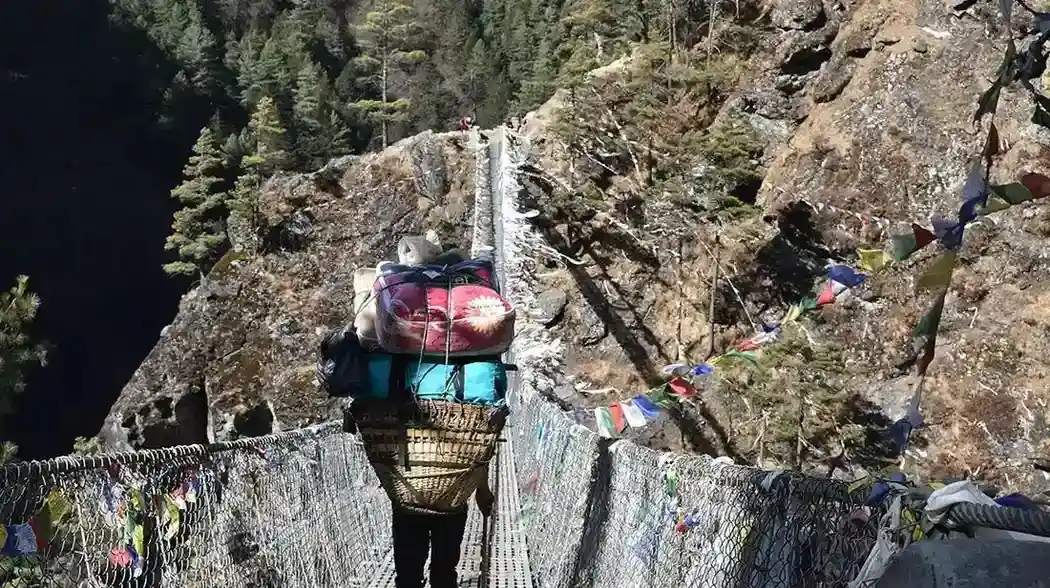
Hiring a guide or porter is a personal decision, not an assessment of strength or ability. Here are some of the advantages of going fully solo and hiring a guide or porter.
Going Fully Solo:
- Complete independence
- Lower overall cost
- Requires solid planning and confidence
Hiring a Guide or Porter:
- Extra safety margin
- Local knowledge and decision support
- Emotional ease and reduced mental load
Many women choose a balanced approach—independence with professional support. Female-focused agencies like Women Adventures Pvt. Ltd. exist to support women who value safety, empowerment, and a women-centered trekking environment.
Conclusion
So, is it safe for women to trek alone in Nepal? The honest answer is Yes. When done thoughtfully, not only is it safe but also, it is incredibly empowering. Nepal does not demand fear. It requires preparation, respect, and self-awareness. Here, the mountains don’t judge your gender. They try your judgment, patience, and humility.
Whether you’re trekking alone, accompanied by a guide, or within an all-female group is merely dependent on your own experience and level of comfort. Hence, Nepal is a safe place for women to trek solo.
Frequently Asked Questions (FAQs)
Is Solo Female Trekking Safe in Nepal?
Yes. With proper preparation, route choice, and awareness, solo female trekking in Nepal is widely considered safe.
Is Nepal Trekking Safety for Women Different From Men?
The primary risks, like altitude, weather, and terrain, are the same for everyone. Social dynamics on trekking routes are generally respectful.
What Are the Main Solo Woman Trekking Risks in Nepal?
Altitude sickness, fatigue, weather changes, and logistical challenges—not personal safety threats.
Which Are the Best Treks for Solo Female Trekkers in Nepal?
Ghorepani Poon Hill, Everest Base Camp, Langtang Valley, and Mardi Himal are excellent options.
Are Tea Houses Safe for Solo Women?
Yes. They are commonly used by solo female trekkers and offer a secure, communal environment.
How Serious Is Altitude Sickness Safety in Nepal?
Very serious. It’s the most significant risk and must be managed carefully.
Is Transportation Safety in Nepal for Women Reliable?
Yes, especially when using tourist services and traveling during daylight.
Is Emergency Support Available While Trekking in Nepal?
Yes, but it depends on weather, location, and insurance coverage. Preparation is the key.