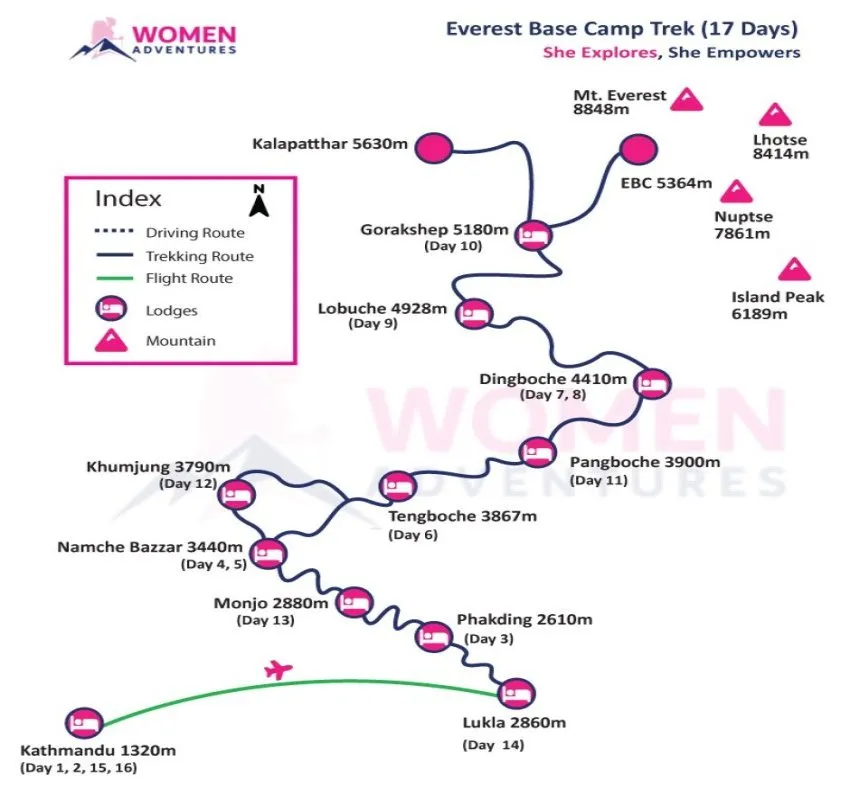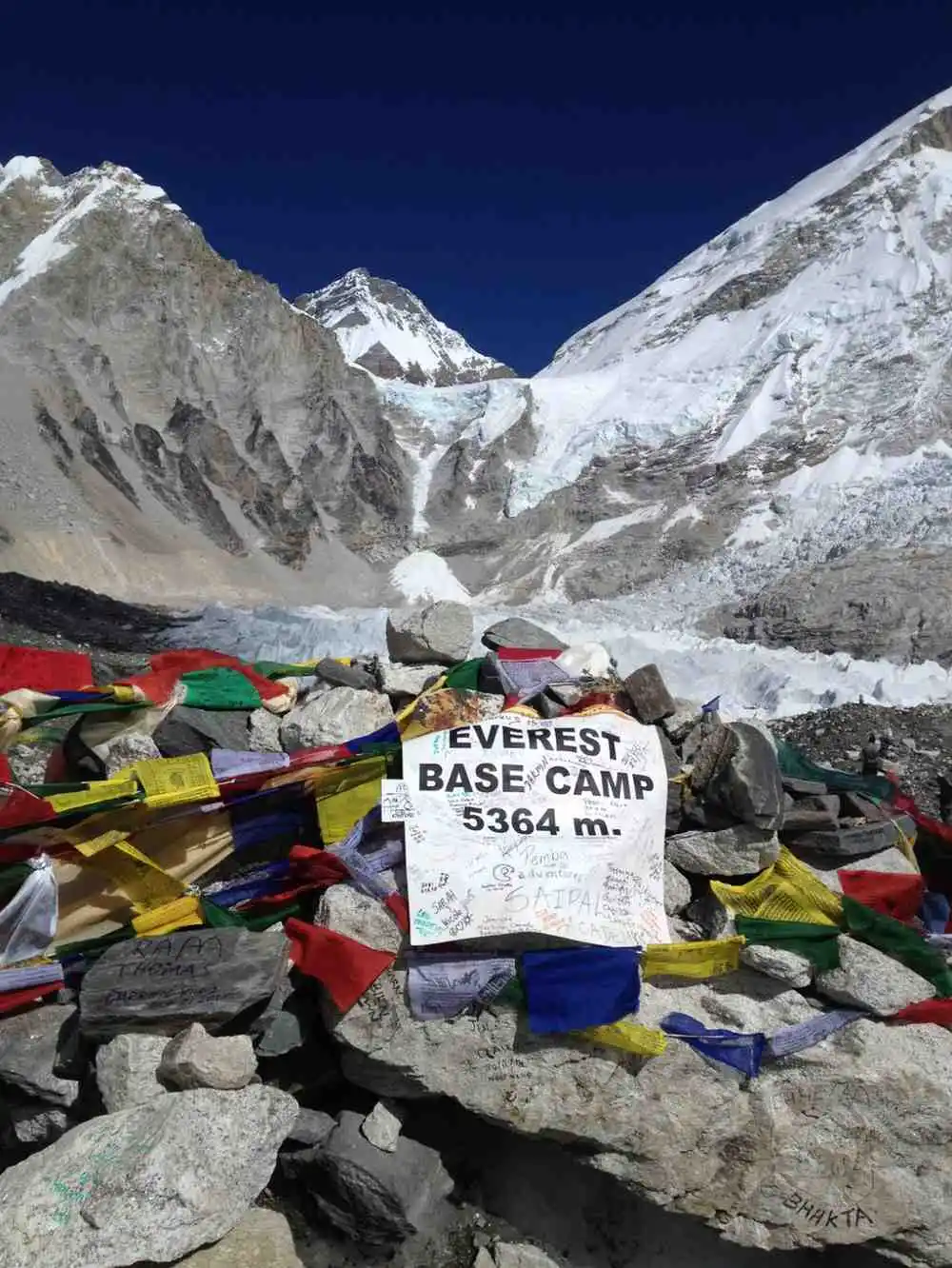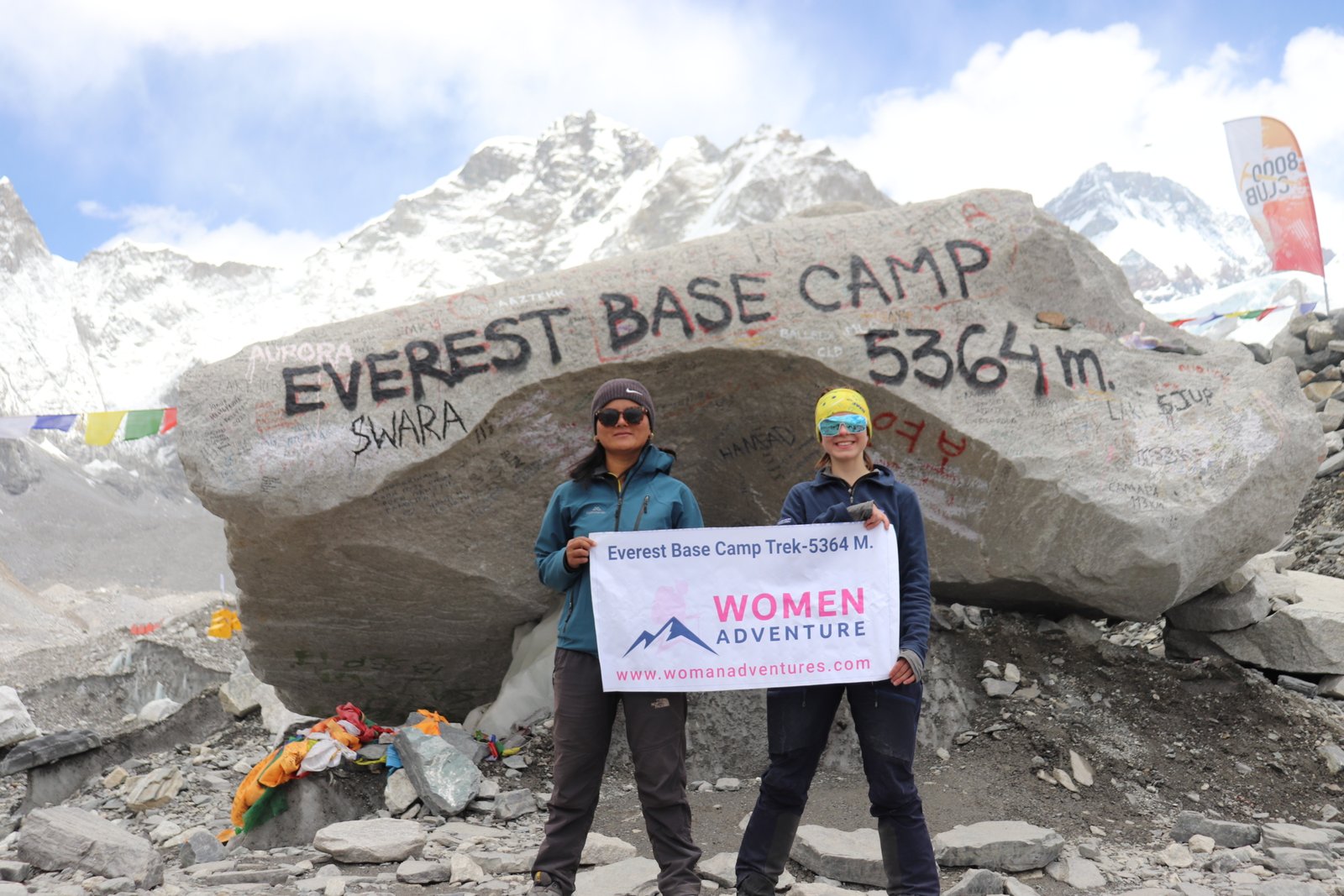
The Everest Base Camp trek for women is a 12-day, women-only guided trek that travels from the mountain airstrip at Lukla (2,860 m) up the Khumbu Valley to Everest Base Camp at 5,364 m, with a sunrise climb to Kala Patthar (5,644.5 m) for the clearest view of Everest's summit. It is led entirely by a government-licensed female guide in Nepal and supported by a female porter, and it is built around two dedicated acclimatization days so that women of widely different ages and backgrounds can reach Everest Base Camp safely. There is no technical climbing involved like no ropes, no crampons; no glacier skills required.
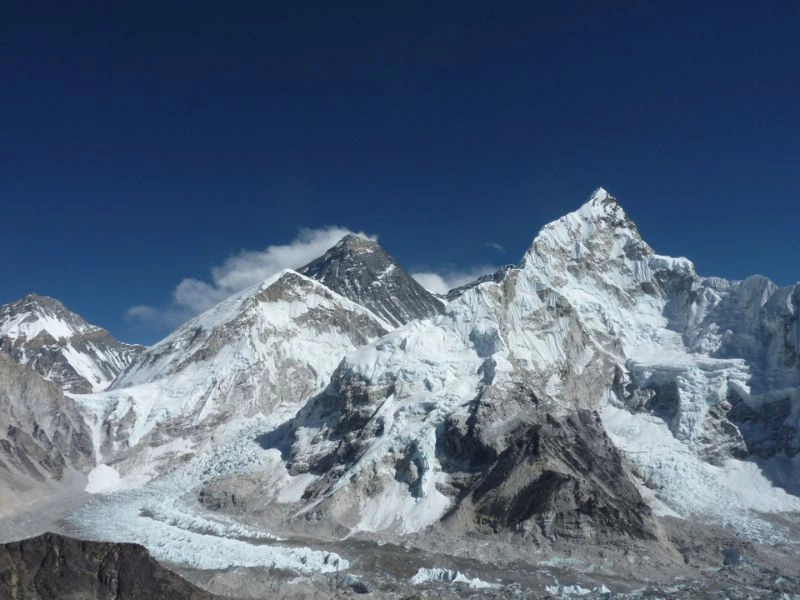
Everest Base Camp is rightly counted among the natural wonders of the world, resting at the very foot of the highest mountain on the planet. Mount Everest rises to 8,848.86 m (29,031 ft) in the high Khumbu of north-mid-east Nepal, straddling the border between Nepal and Tibet, with the North Col and North Face lying across the Chinese side. This trek approaches the mountain from its southern, Nepali face, the more popular and more travelled route than the northern approaches in Tibet and it suits women of all ages, whether you are setting out solo or alongside a group of fellow female explorers. Choosing a female trekking guide, or a dedicated women's trekking guide agency, turns what can feel like a daunting expedition into a safe, inspiring space to push your limits and take in the beauty of the mountains at your own pace. If you are still weighing your options, it is also worth reading how it compares in our Annapurna Base Camp versus Everest Base Camp guide.
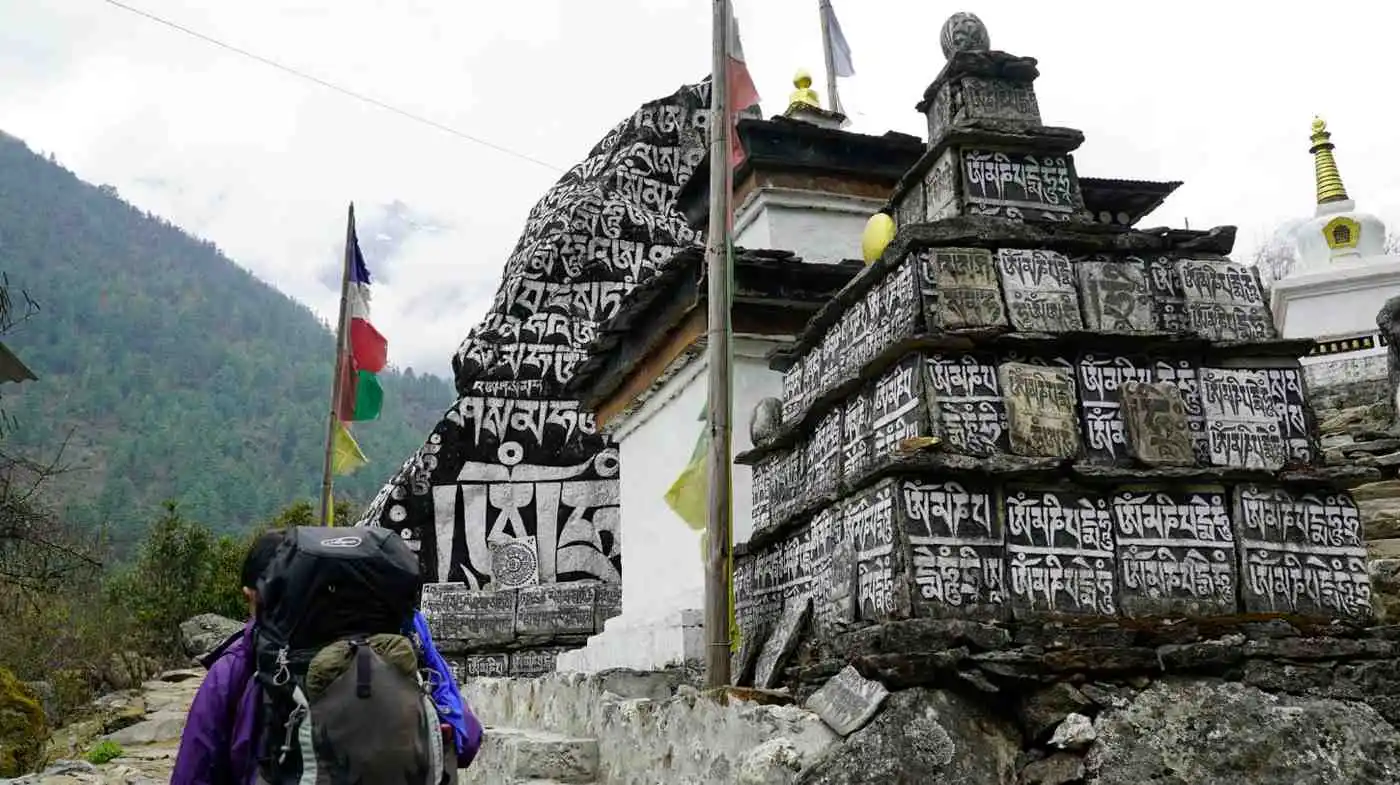
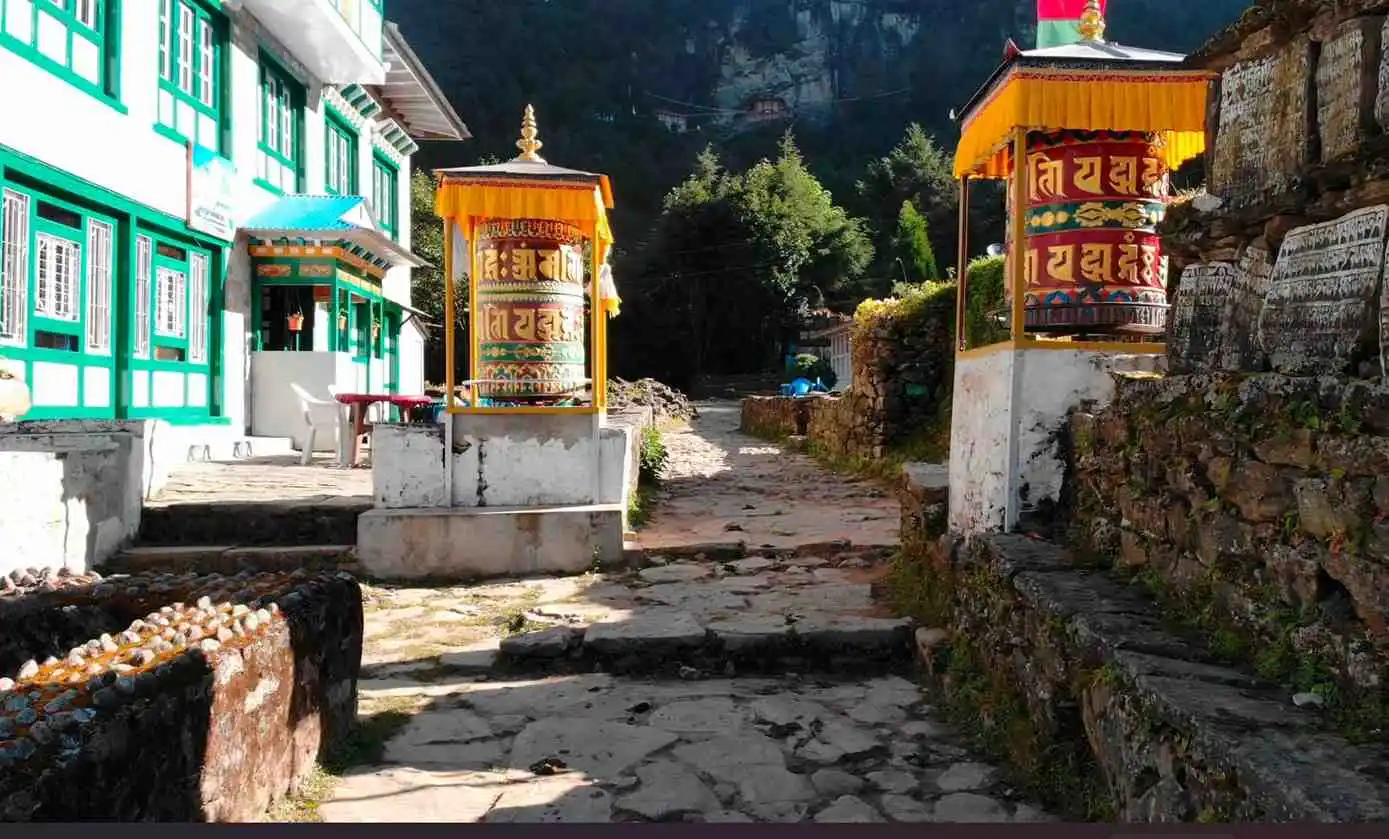
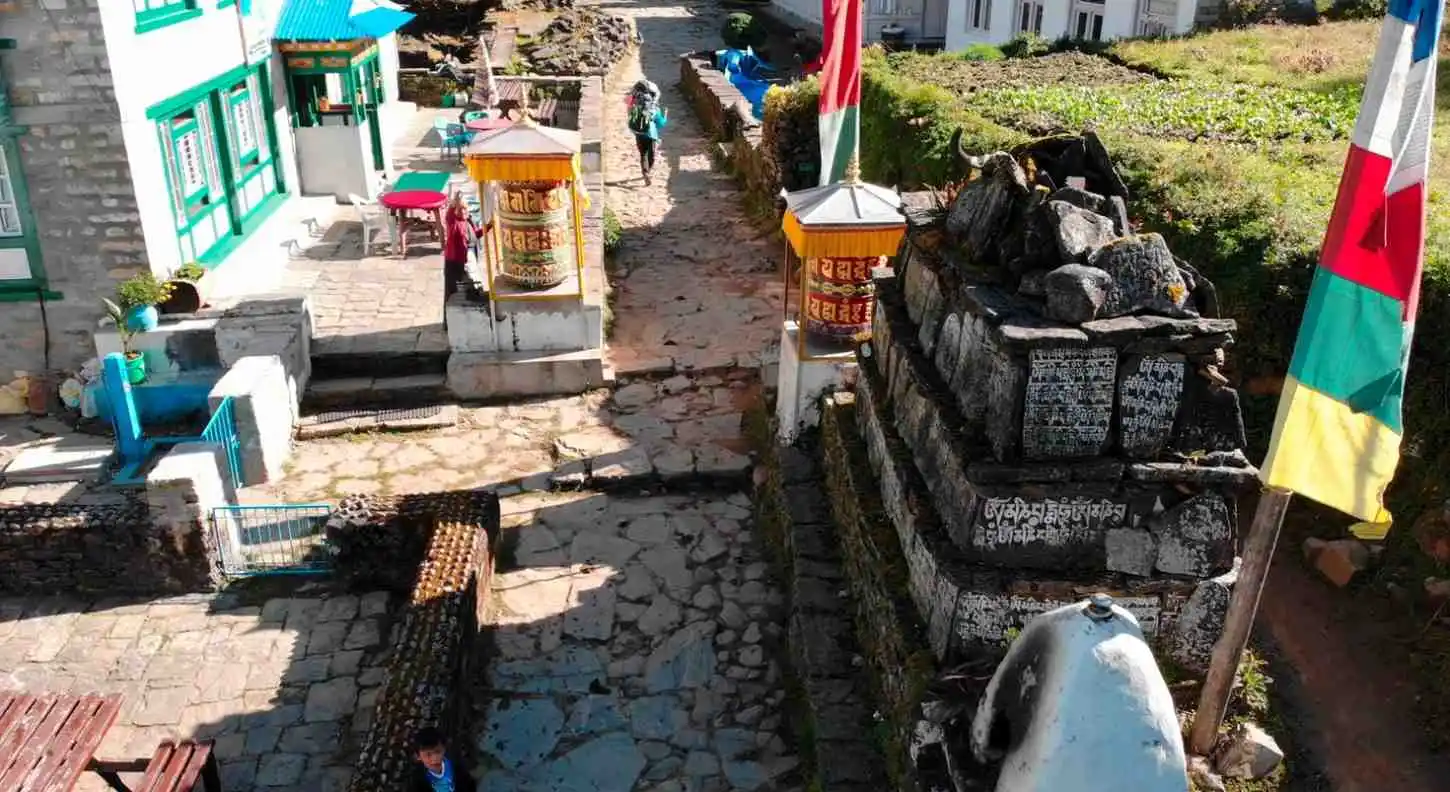
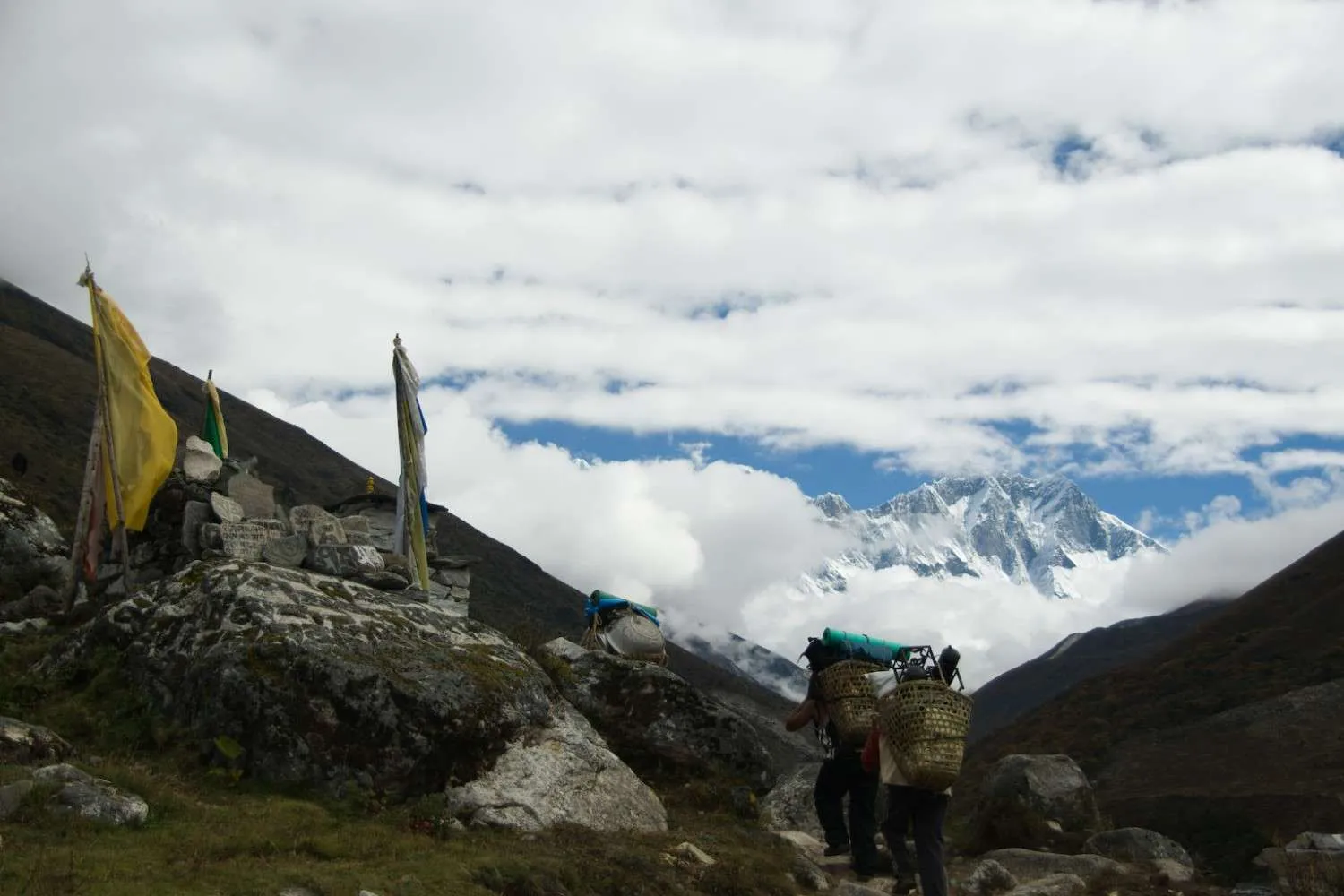
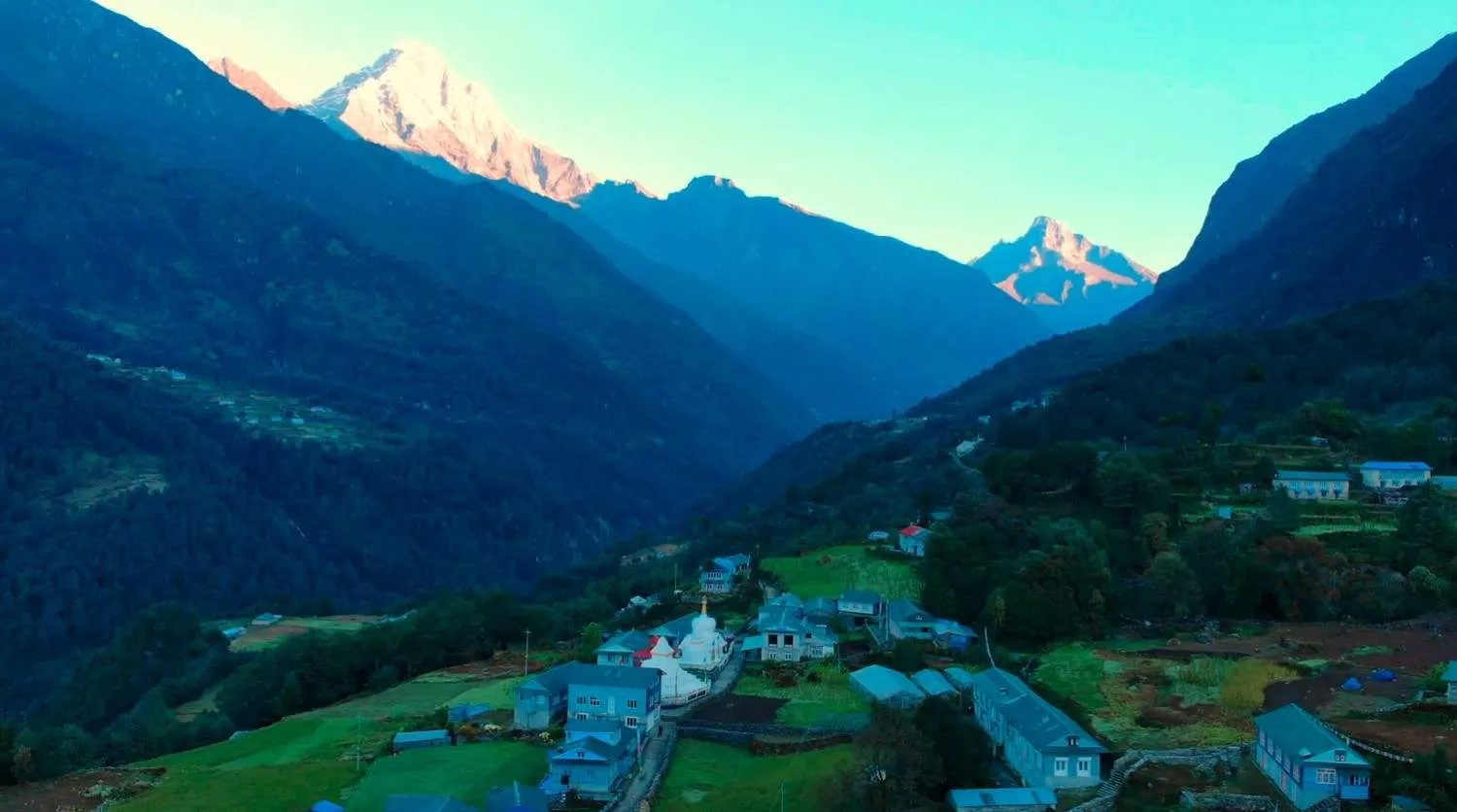
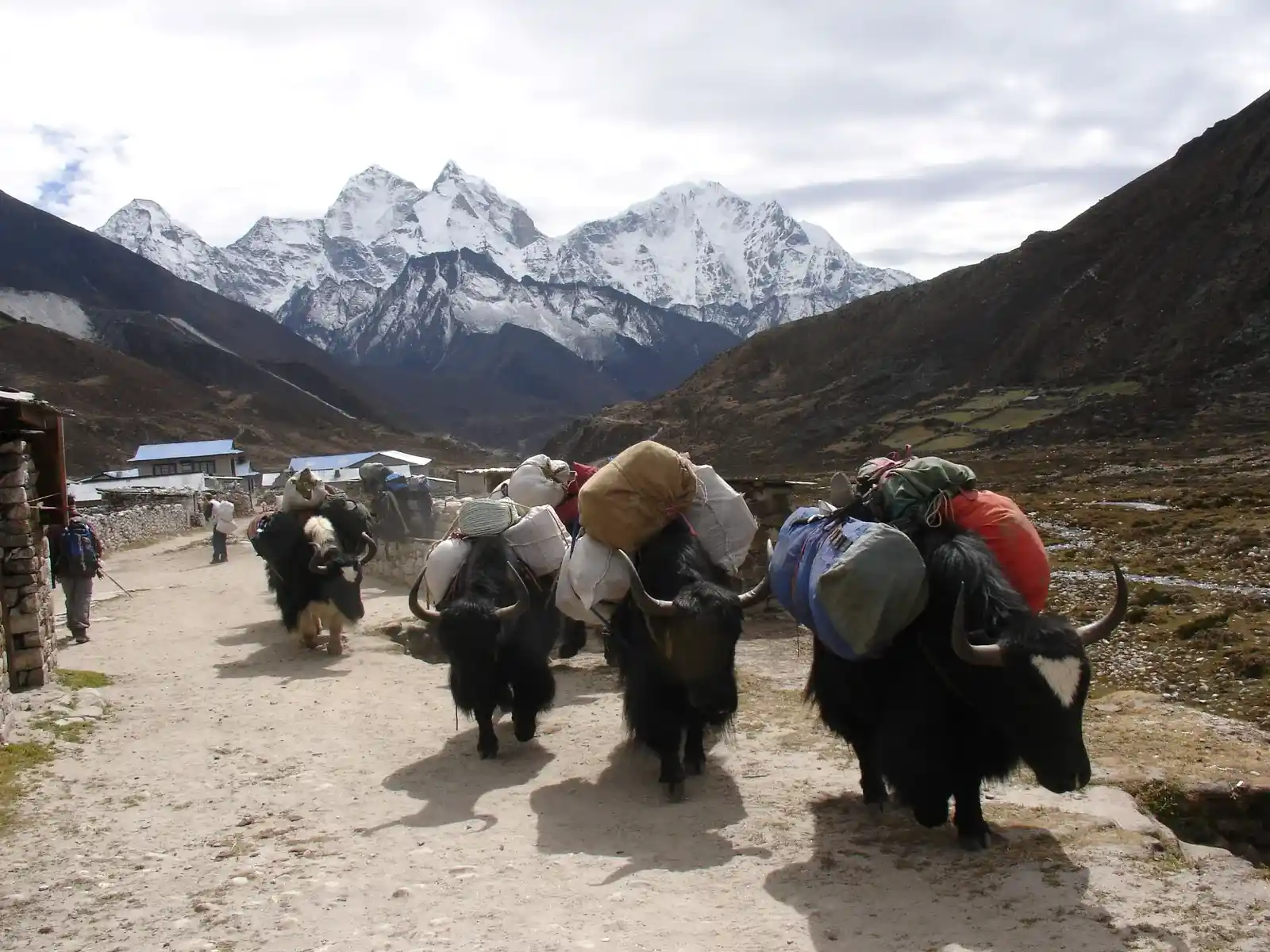
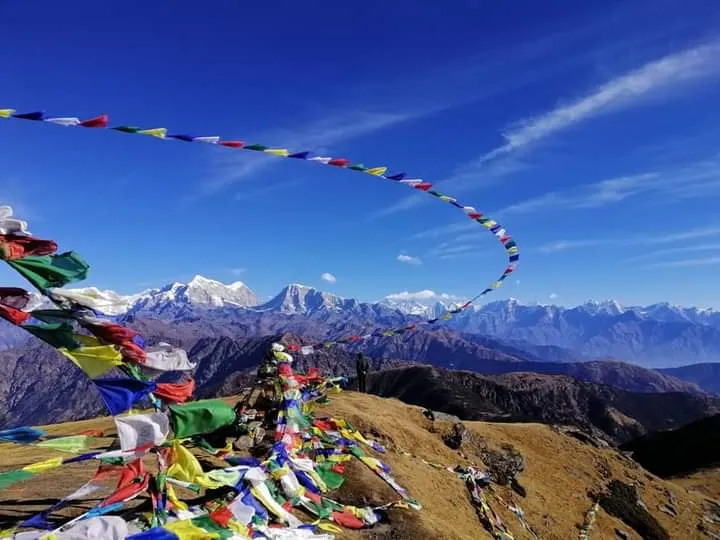
From the very first steps, the scenery does the persuading, with the giant peaks following you almost the entire way from Lukla to Everest Base Camp and back. The adventure opens with a short, spectacular flight to Tenzing-Hillary Airport at Lukla, the gateway where nearly every journey through the high Khumbu and the wider Everest region begins and ends. The trail then follows the main path through a string of Sherpa villages lined with prayer monuments, mani walls and chortens, before entering the treasures of Sagarmatha National Park, a protected landscape of exotic flora and fauna set beneath some of the most famous peaks on earth. As the walk advances, you leave the Dudh Koshi River valley and climb steadily to Namche Bazaar, the bustling hub and capital of the Khumbu Sherpas.
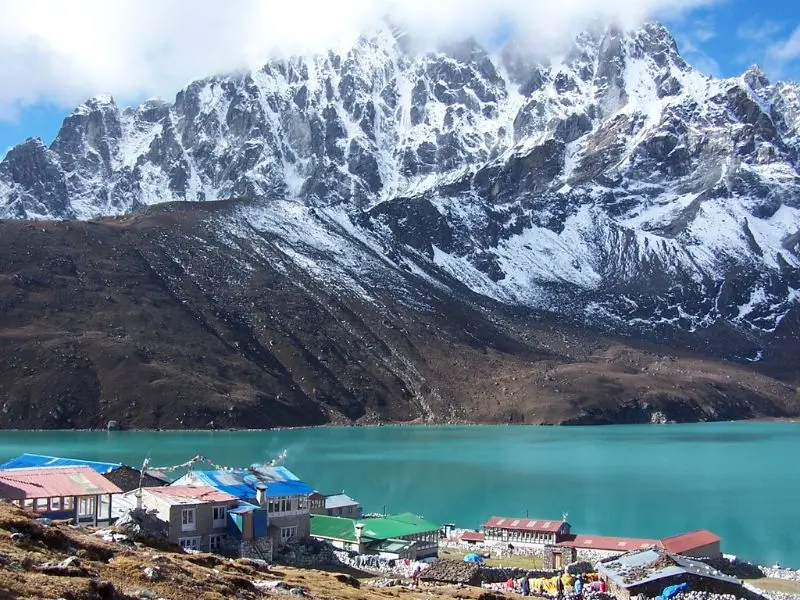
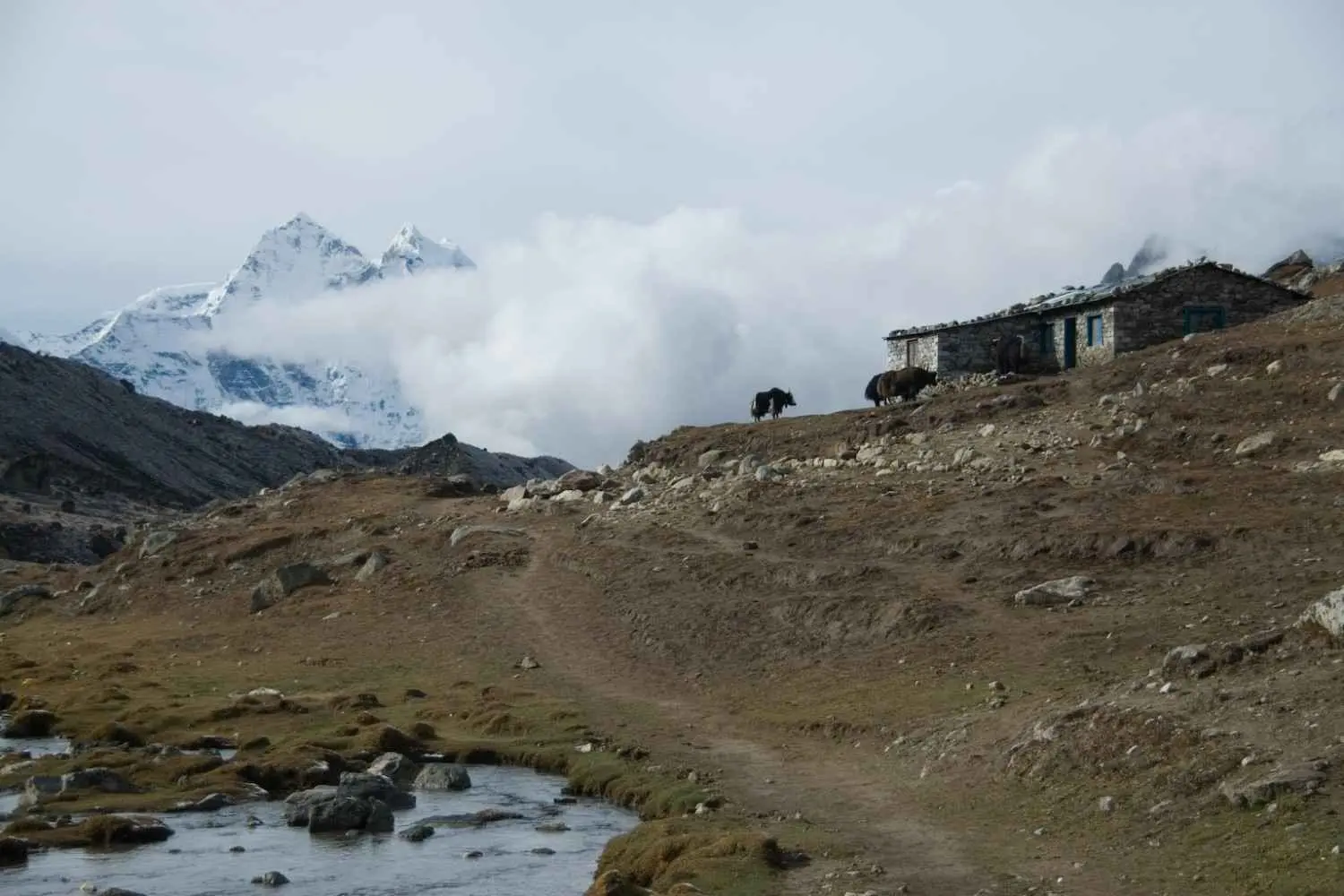
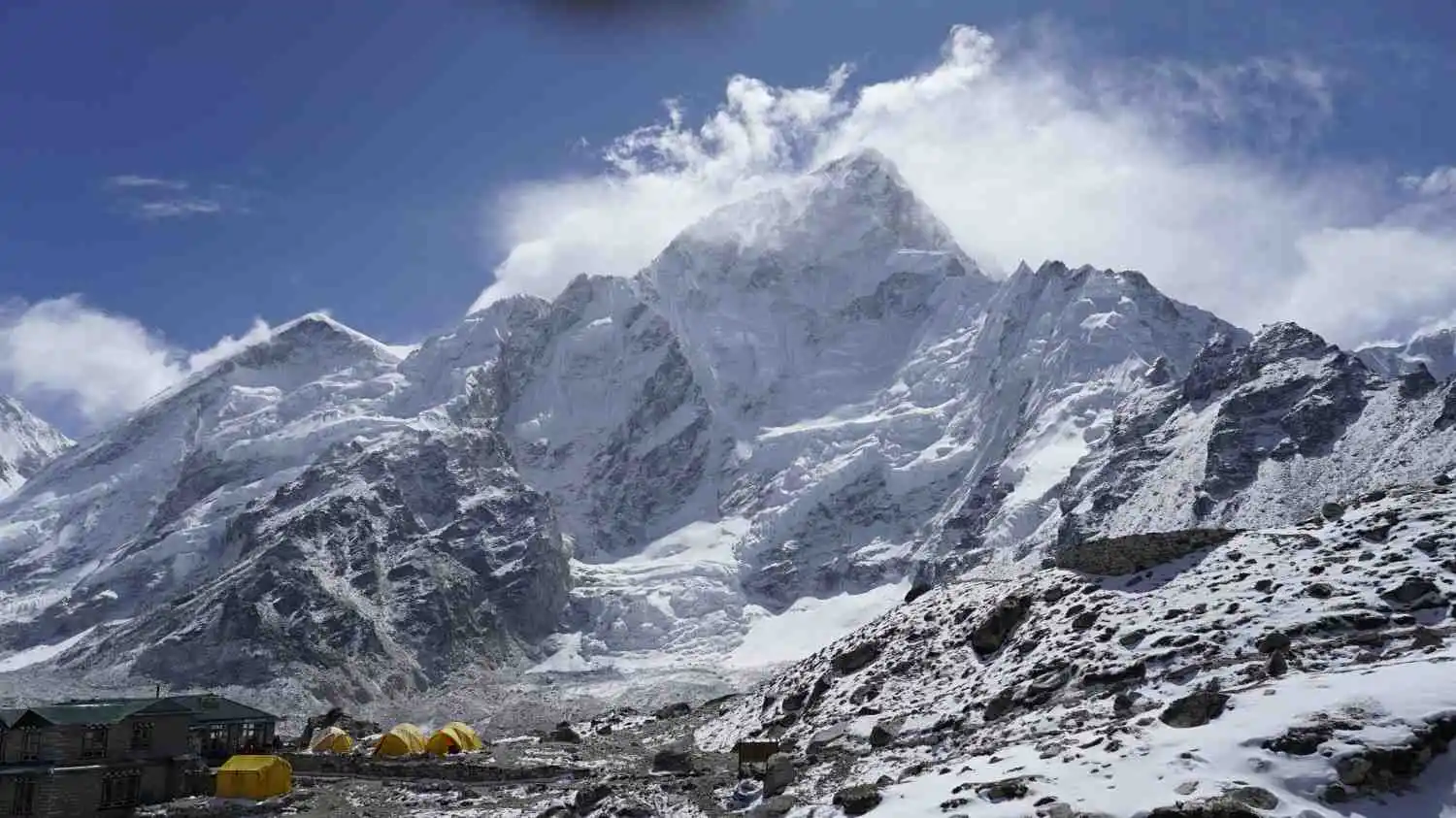
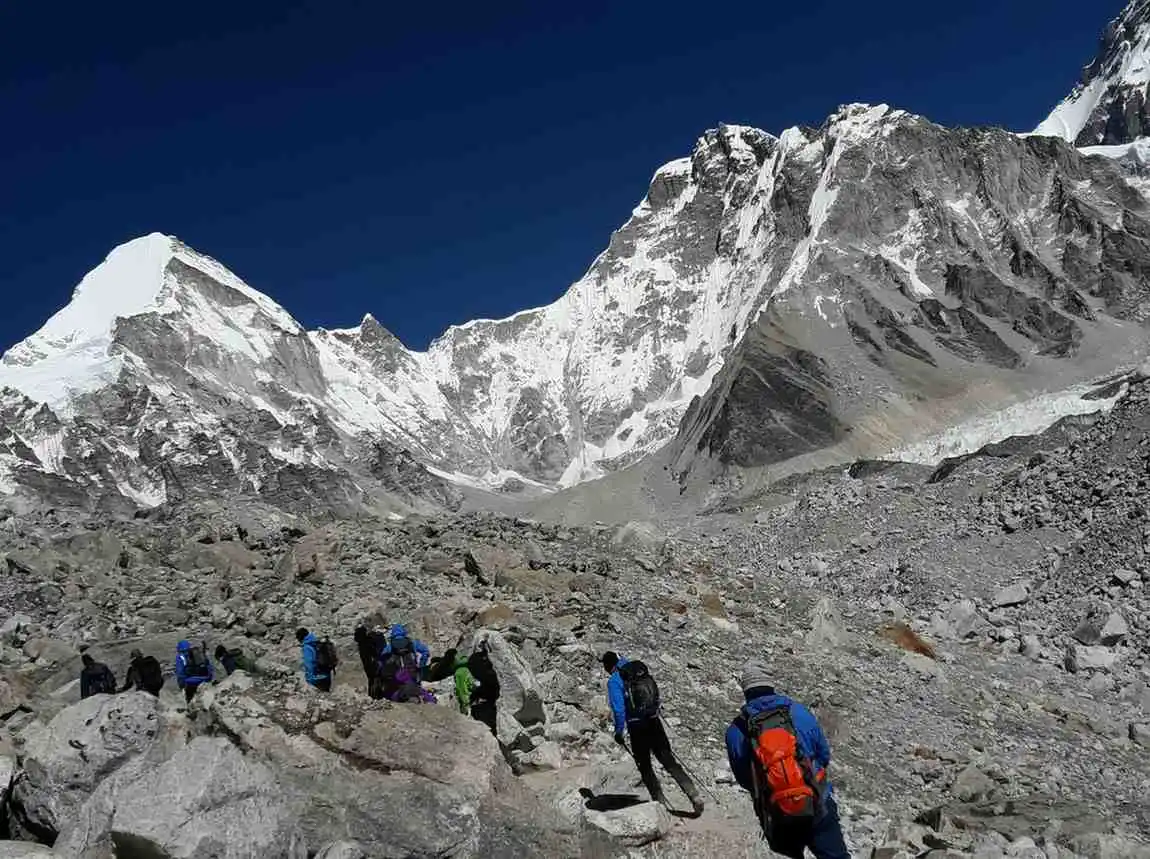
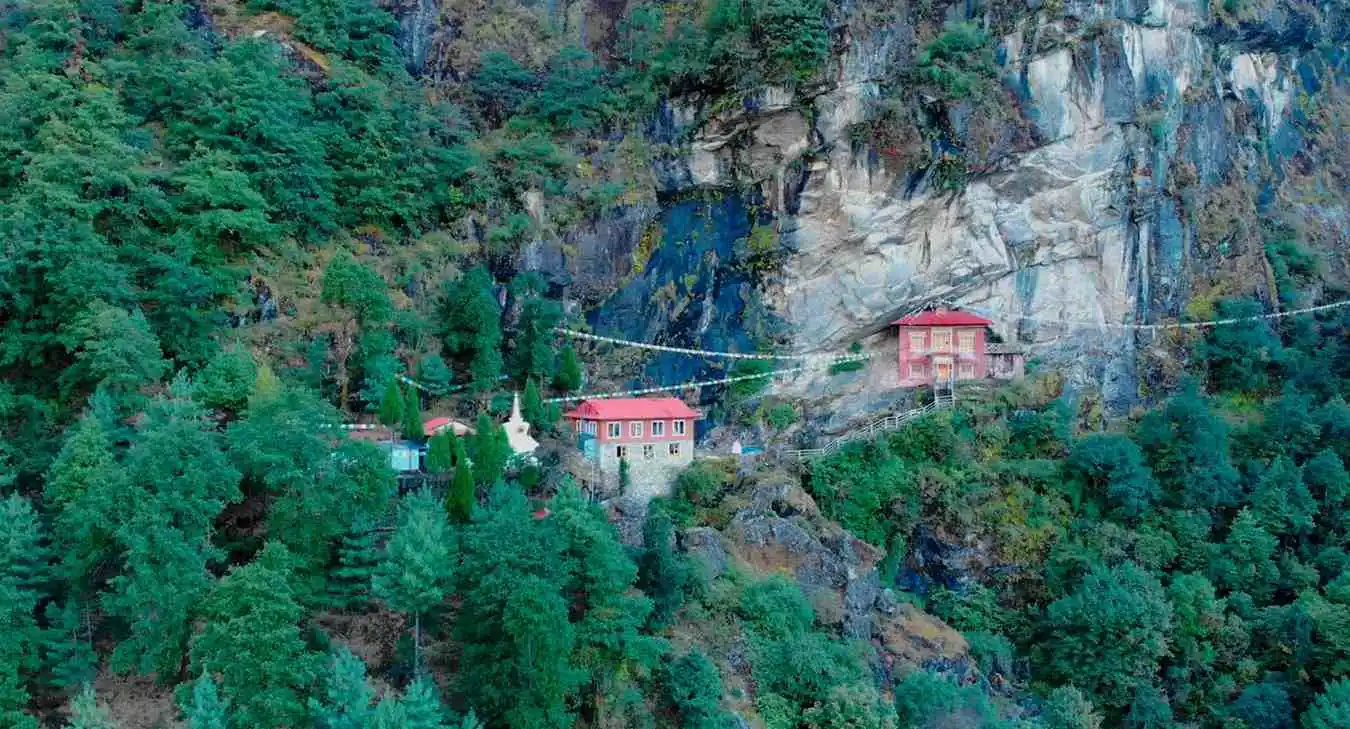
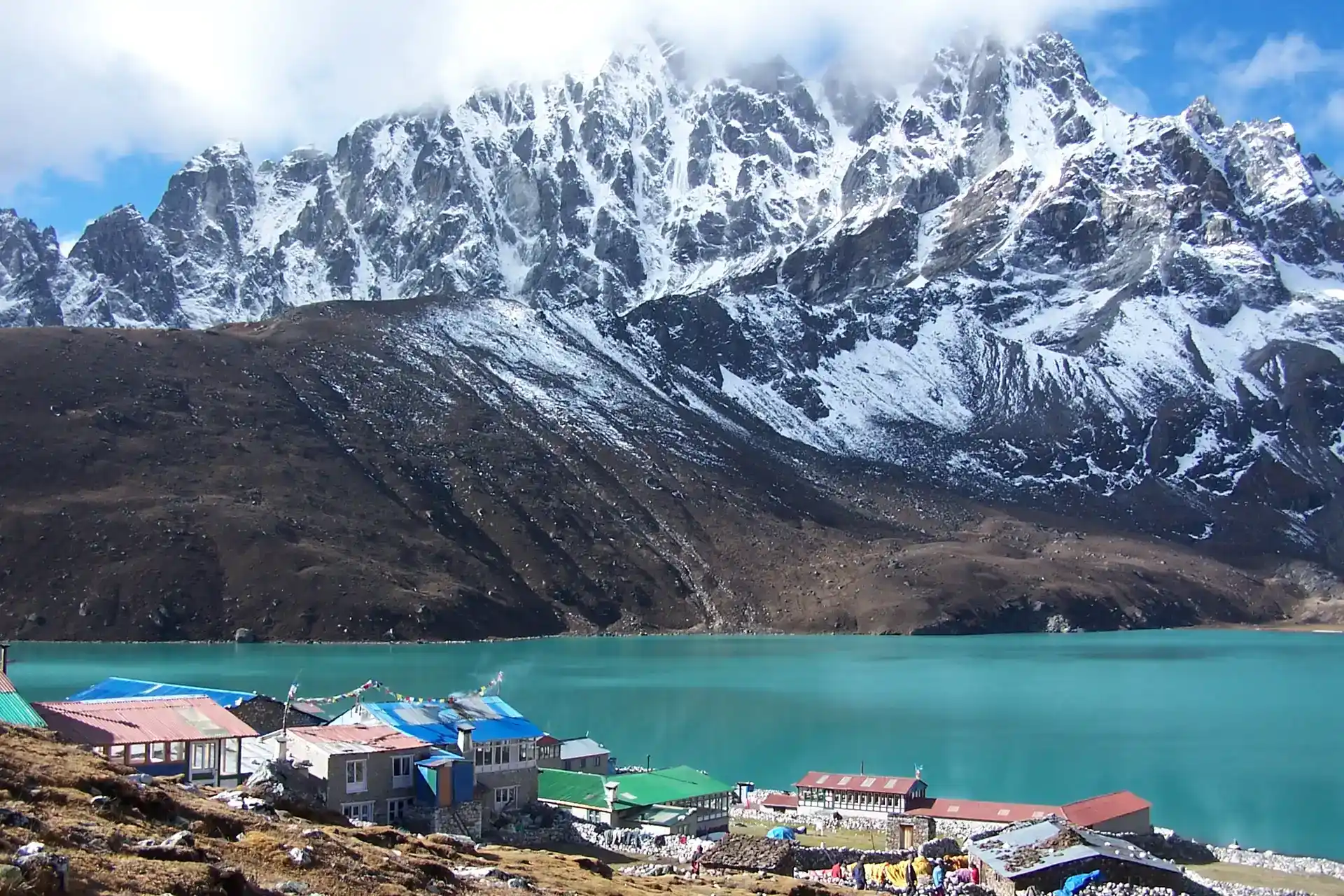
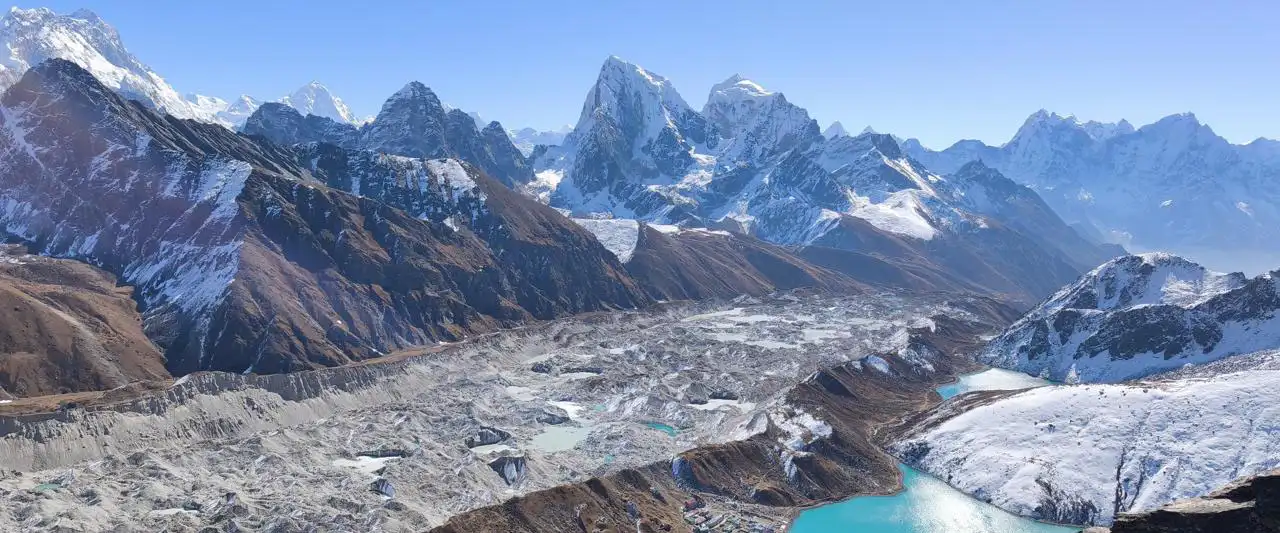
Namche is the natural place to pause for a rest day and allow for proper acclimatization — one of two rest days written deliberately into this Everest Base Camp trek itinerary. From here the journey continues higher along a scenic trail through beautiful coniferous and rhododendron forest to Tengboche, a picture-perfect setting where a majestic monastery sits ringed by a series of snow peaks, with Mount Everest itself rising behind. Beyond Tengboche the walk slowly heads down and up, leaving the tree line behind for a wide, open, arid country. After overnight stops at Dingboche and Lobuche the landscape hardens into rocky glacial moraine as you work up the glaciated valley to Gorak Shep, the last settlement, poised at the midpoint between Everest Base Camp and the high viewpoint of Kala Patthar.
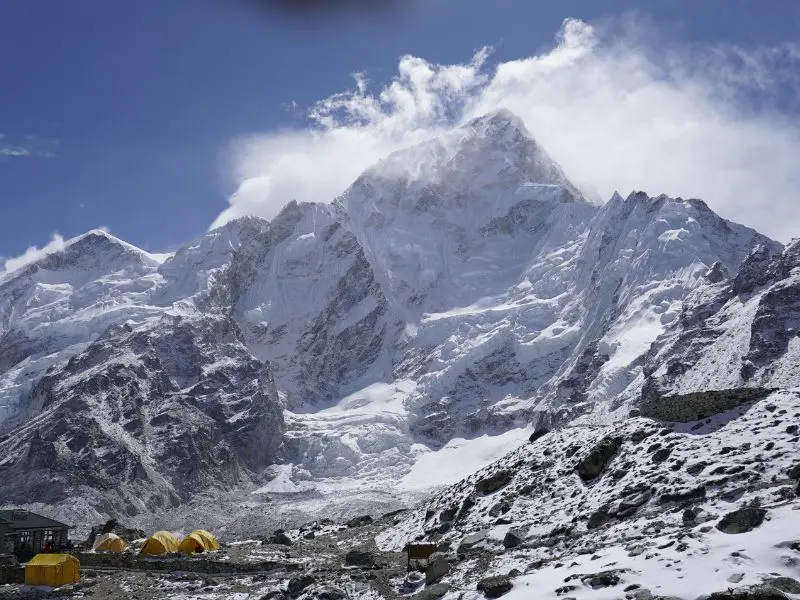
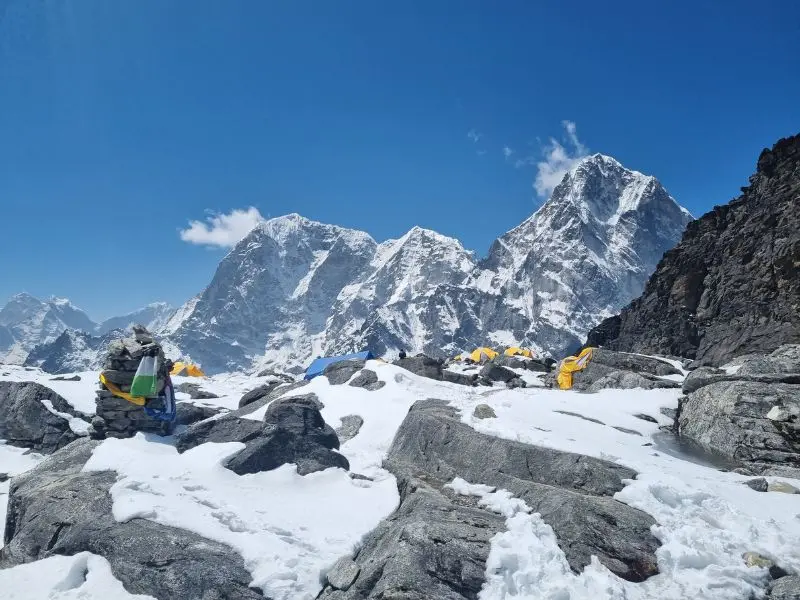
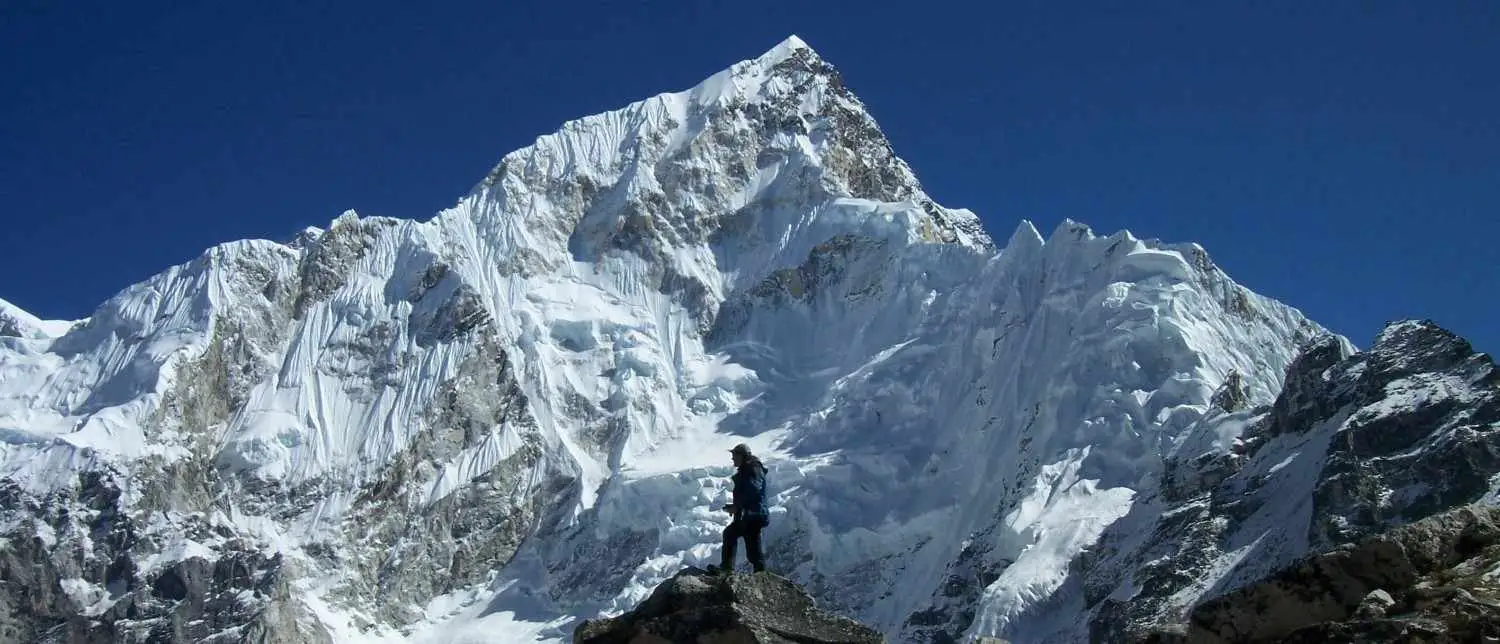
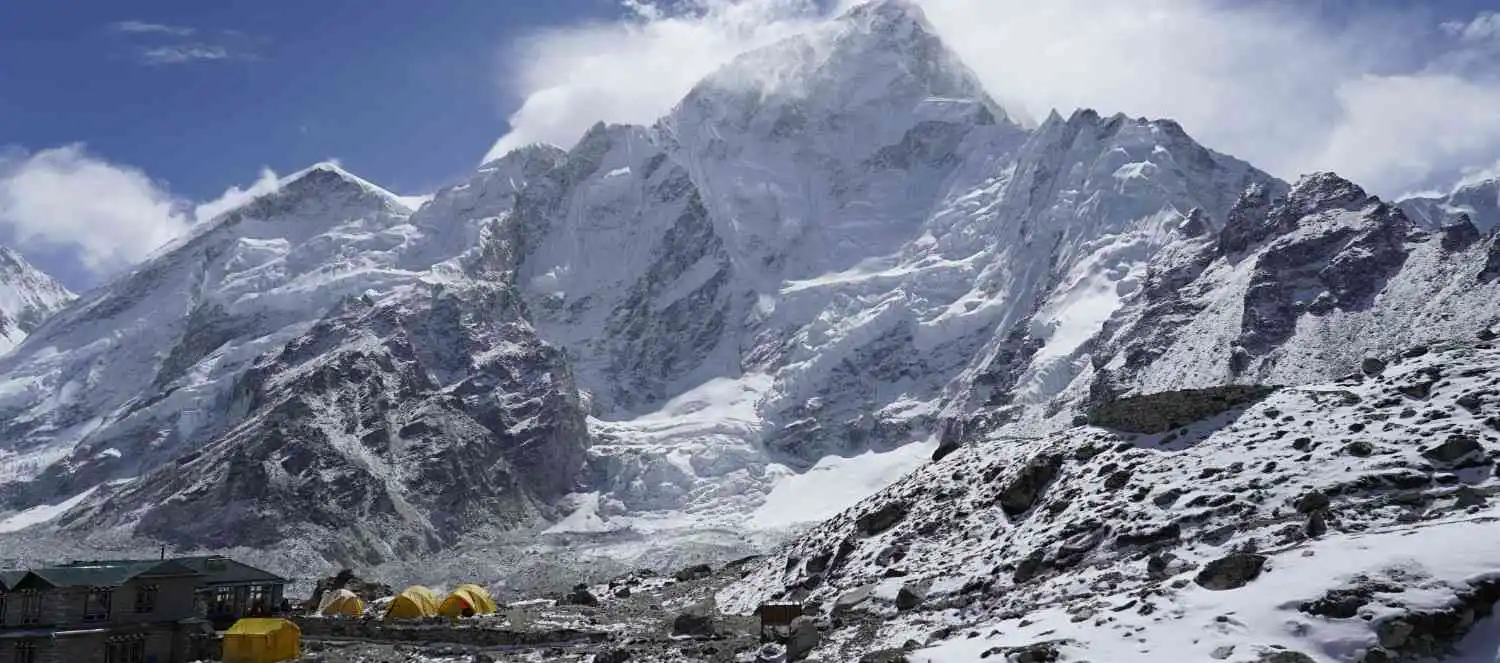
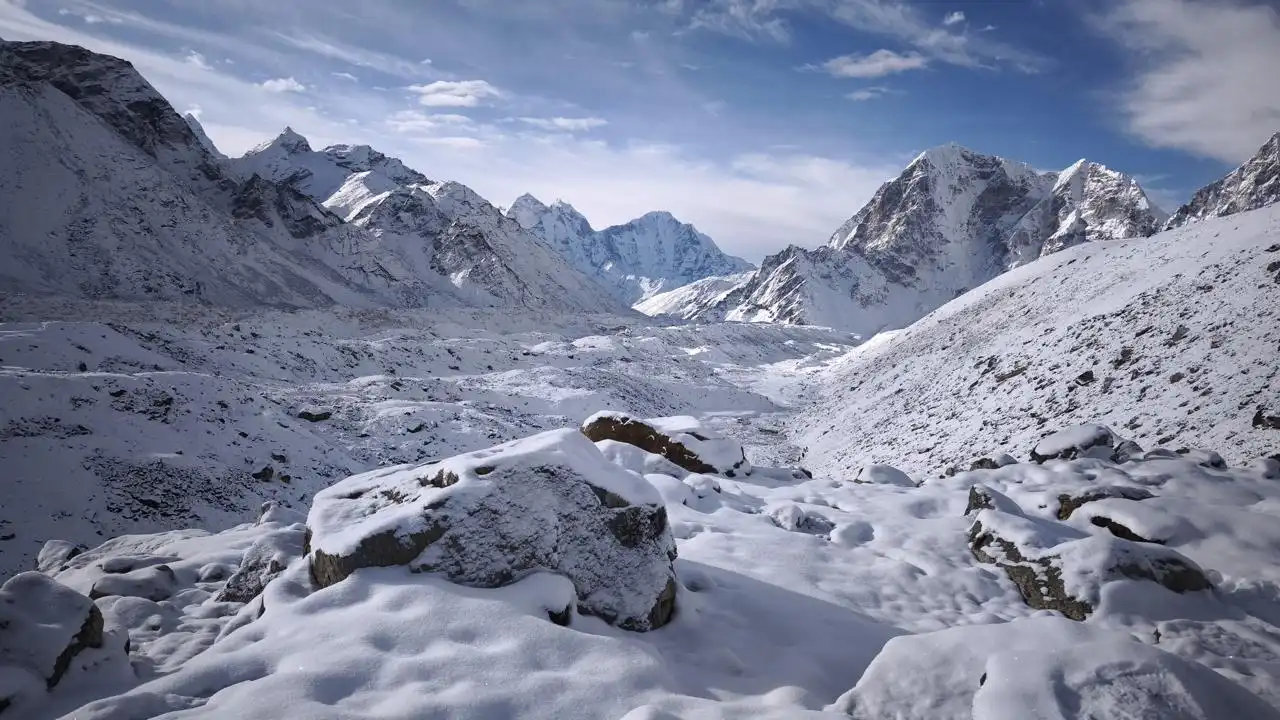
From Gorak Shep, the journey pushes on toward the great highlight of the whole adventure, standing beneath the world's highest peak amid an almost arctic world of relentless ice, snow and glacier, where the massive Khumbu Icefall tumbles down to feed the glaciers that become the Dudh Koshi River. After that moment of great delight, the next morning delivers the trek's crowning reward: the climb to Kala Patthar, the highest spot of the journey, whose black rocky ridge is encircled by giant mountains and opens onto a breathtaking, close-up view of Everest. With the major goals achieved, you turn for home on an alternative route down through the Pheriche valley, back to Namche Bazaar and finally to Lukla for a last overnight, before a sweeping scenic flight carries you to Kathmandu.
The women-only experience is the part that changes how the whole journey feels. Travelling with a female guide and a female porter, in a group of other women, removes a layer of friction that many women never realize they are carrying until it is gone. Rooming is arranged for comfort and privacy wherever a lodge’s layout allows. The pace is set by women, for women, and the team is built around your needs rather than around an average that was never really designed with you in mind. For a first big trek, or for a solo traveller who wants company without compromise, that environment is the difference between surviving the Himalaya and genuinely enjoying it.