
Tabel Of Contents
- Quick Answer: What Should Women Pack for a Monsoon Trek in Nepal?
- Why Is Packing Different for Monsoon Trekking in Nepal?
- Complete Monsoon Trek Packing List for Women
- How to Pack Your Backpack for a Monsoon Trek
- What to Pack for Different Types of Monsoon Treks in Nepal
- What NOT to Pack for a Monsoon Trek in Nepal
- Monsoon Trek Packing Tips for Women
- Final Takeaway: Pack Light, Stay Dry and Prepare for the Route
- Frequently Asked Questions About Monsoon Trek Packing for Women
Nepal's monsoon runs roughly from mid-June to late September, and it brings heavy afternoon rainfall, saturated and muddy trails, high humidity that slows drying to a crawl, leeches on the wetter forested sections below about 3,000 meters, and temperatures that can swing from humid heat in the valleys to genuinely cold nights higher up.
A woman trekking in Nepal during monsoon should pack waterproof rain protection, quick-drying clothing, broken-in trekking footwear, extra socks, menstrual and hygiene supplies, dry bags for anything that must stay dry, a small first-aid kit, and leech and mud protection for lower forested trails. Everything else is optional. Those nine categories are what actually decide whether a wet week on the trail is comfortable or miserable.
The exact list still shifts depending on your trek duration, the altitude you reach, the route you choose, whether you are staying in tea houses or camping, how badly that particular region is affected by the monsoon, and your own personal requirements. A four-day walk through the Kathmandu Valley rim and a twelve-day crossing into Upper Mustang need very different bags, even in the same week of July.
Quick Answer: What Should Women Pack for a Monsoon Trek in Nepal?
Pack for two problems at once: staying dry while you walk and having something dry to change into when you stop. Almost every item below serves one of those two jobs.
Rain protection
- Waterproof jacket with a hood
- Waterproof rain pants
- Backpack rain cover
- Waterproof pack liner (a heavy-duty bin liner works)
- Dry bags in two or three sizes
Clothing
- Quick-dry trekking shirts
- Lightweight trekking pants
- Base layers
- Fleece or light insulated layer
- Sports bras
- Quick-dry underwear
- Extra trekking socks
Footwear
- Broken-in waterproof trekking shoes or boots
- Camp sandals or lightweight slip-ons
- Gaiters
Women-specific essentials
- Menstrual products for the full trek plus a contingency
- Personal hygiene supplies
- Two to three sports bras
- Hair ties
- Personal toiletries in travel sizes
Health and safety
- Personal medication
- Basic first-aid supplies
- Blister care
- Sunscreen and SPF lip balm
- Insect repellent and leech protection
Electronics and documents
- Phone and charging cable
- Power bank
- Waterproof phone pouch
- Passport or ID
- Trekking permits
- Travel insurance details and emergency contacts
Why Is Packing Different for Monsoon Trekking in Nepal?
Because in monsoon, wet is the default state and drying is the hard part. On a dry season trek, you can get away with cotton, a light shell, and two pairs of socks. In July, that same kit leaves you walking in damp clothes for days.
Rain falls most heavily in the afternoon and overnight, so trails stay saturated. Stone steps grow slick with moss; forest paths turn to deep mud, and stream crossings run higher than usual. Humidity sits high enough that a cotton shirt hung in a tea-house room can still be damp two mornings later. Footwear that gets soaked through often stays soaked. Leeches appear in numbers on the wet forested sections of routes like Ghorepani, Langtang, and the lower Annapurna trails. Cloud cover can close in quickly and drop visibility, and once you gain altitude, the temperature falls sharply even while the valleys below stay muggy.
The logic behind the packing list follows directly from those conditions:
- Rain soaks clothing, and humidity slows drying, so you carry quick-dry fabrics rather than more clothes.
- Mud makes trails slippery and reduces your stability, so you carry footwear with real grip and a pair of trekking poles.
- Rain gets into backpacks even through a cover, so you use a liner and dry bags rather than trusting one layer.
- Wet forests bring leeches, so you carry gaiters and long trousers rather than dealing with them at the end of each day.
Keeping your body dry and your critical belongings dry becomes the organizing principle of the whole bag as it provides safety while trekking in Nepal during monsoon.
Complete Monsoon Trek Packing List for Women
Adjust quantities to your trek length. The categories below stay the same whether you are out for four days or fourteen; only the number of shirts, socks and hygiene items changes.
Rain Gear
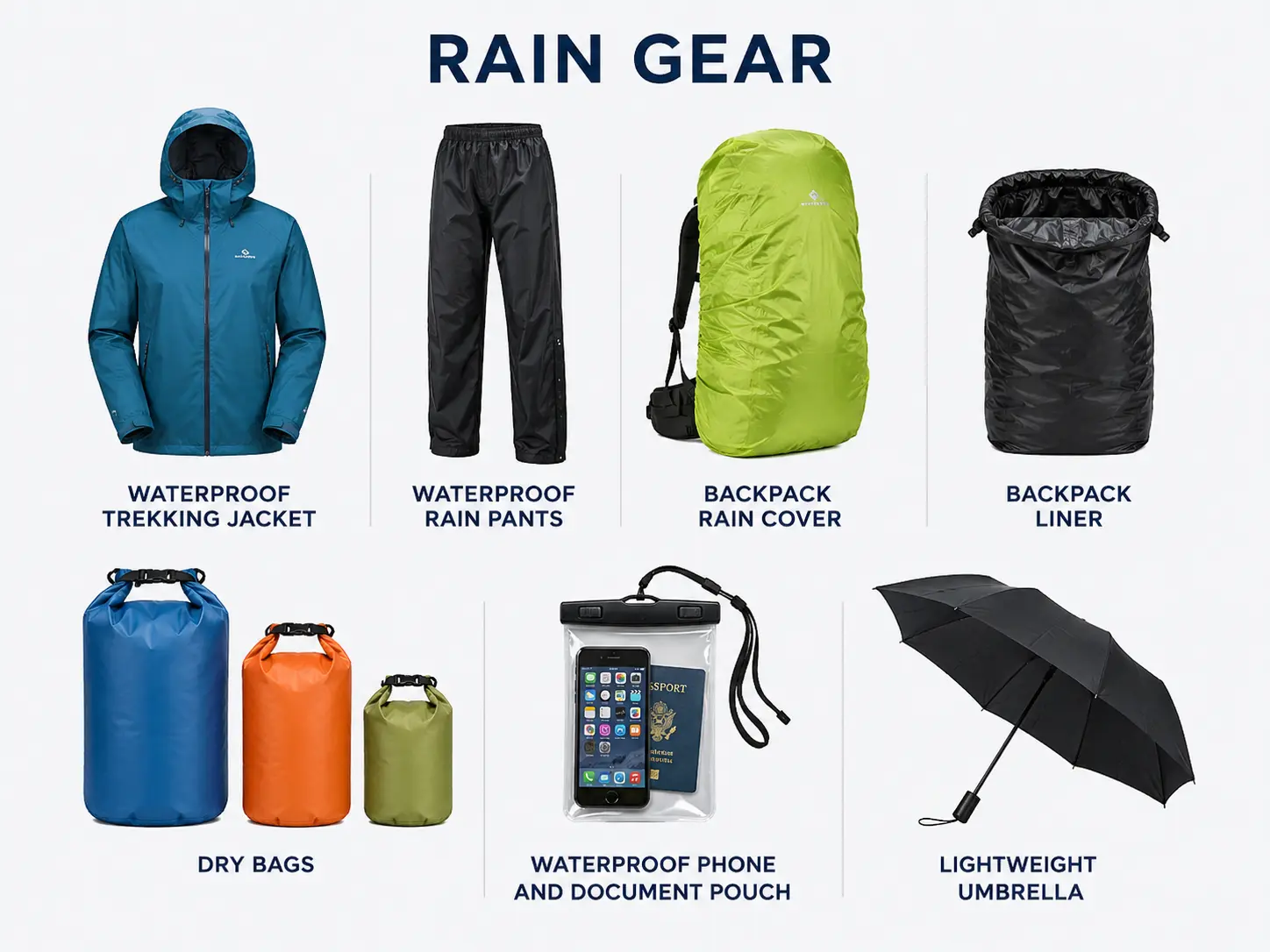
Waterproof trekking jacket: A proper waterproof shell with taped seams and a hood, not a water-resistant windbreaker. Water-resistant fabric handles drizzle for twenty minutes. Choose something breathable enough that you are not soaked from the inside instead, and roomy enough to layer a fleece underneath.
Waterproof rain pants: Often skipped and often regretted. Wet trekking trousers rub, chill you on breaks and take all evening to dry. Rain pants with side zips let you pull them on without removing your boots, which matters when the rain starts mid-climbing.
Backpack rain cover: The first line of defence, and the one that fails first in wind or sustained rain.
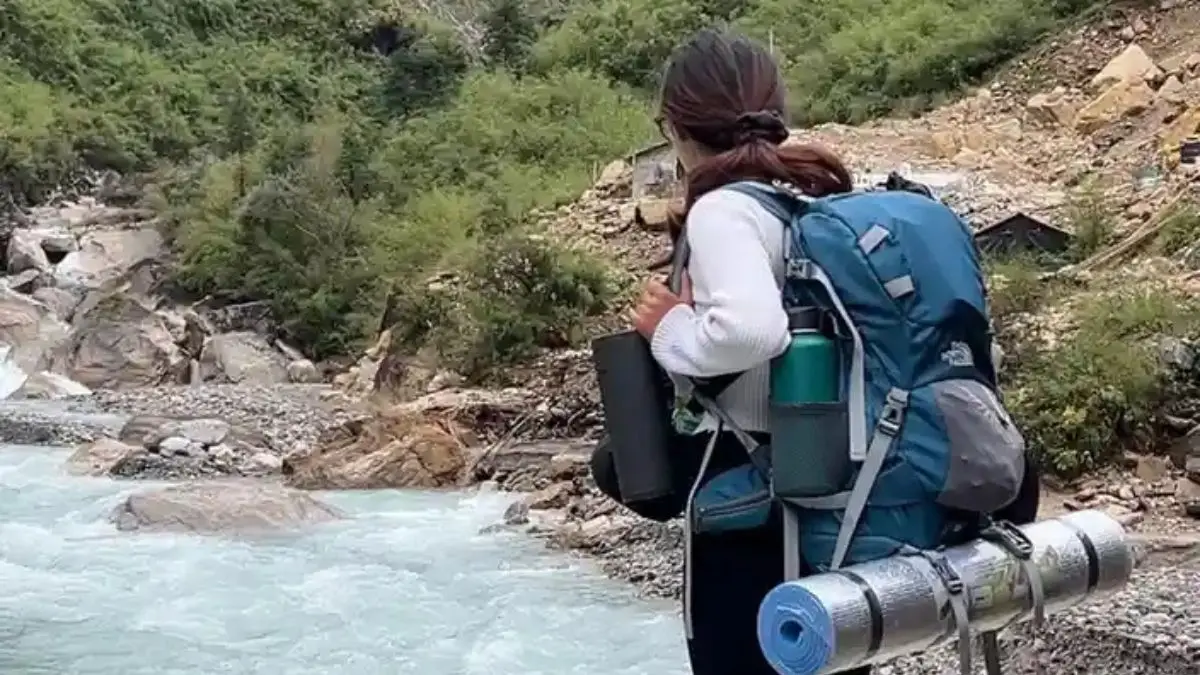
Backpack liner: This is the item most trekkers forget. A liner sits inside the pack and catches whatever gets past the cover, including water running down your back and into the top opening. A tough bin liner does the job for almost nothing.
Dry bags: Two or three sizes. One for your sleeping clothes, one for electronics and documents, one for anything already wet.
Waterproof phone and document pouch: Small, cheap, and the difference between a working phone and an expensive brick.
A lightweight umbrella is optional but genuinely useful on lower, forested trails where wind is minimal. Nepali guides use them constantly.
Clothing Checklist for Women Trekking in Nepal During Monsoon
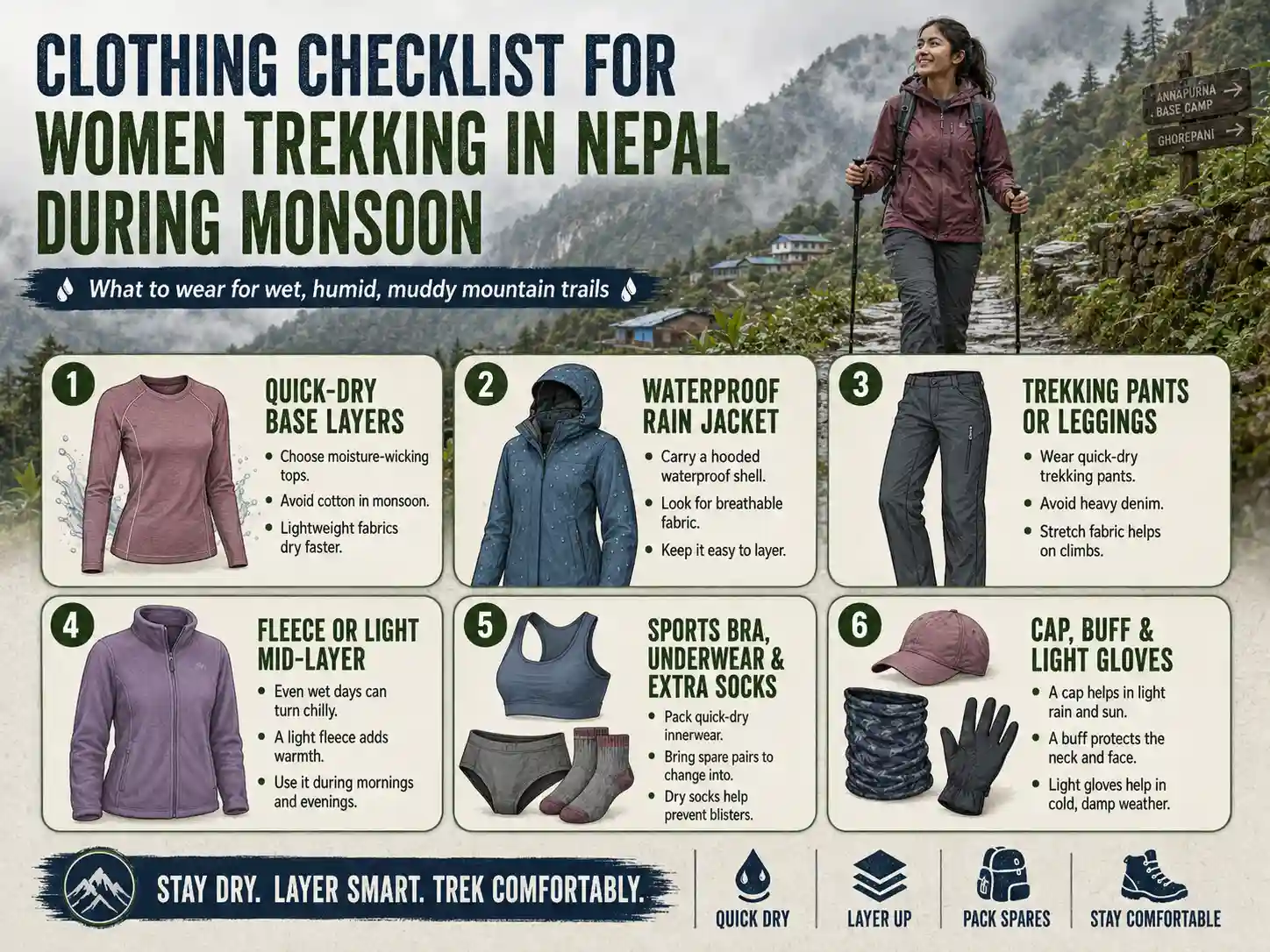
Choose fabric first and quantity second. Synthetic and merino blends move moisture away and dry overnight; cotton holds water, chafes when wet and stays cold against the skin.
Quick-Dry Trekking Shirts: Carry two to three. The rotation matters more than the number: one on your body, one drying, one clean and dry in a bag. Merino resists odour well on long treks and dries slower than polyester; synthetics dry faster but need washing more often. Long sleeves are worth considering even in the heat, as they help with the sun at altitude and give leeches and insects less to work with in the forest.
Trekking Pants: Two pairs of lightweight, quick-drying trousers. Look for a fabric that dries in a few hours and moves freely on steep steps. Leave denim and heavy cotton at home entirely; wet jeans are heavy, cold and take days to dry in monsoon humidity. Convertible zip-off trousers are practical if you want the option of shorts on the humid lower sections.
Base Layers: One set, top and bottom. Monsoon does not mean warmth everywhere. Once you are above roughly 3,000 metres, mornings and evenings turn cold, and cloud cover keeps them that way. Base layers also serve as clean, dry sleeping clothes, which is arguably their most important role on a wet trek.
Fleece or Lightweight Warm Layer: One insulating layer, even in July. Tea-house dining rooms at altitude are unheated until the evening stove is lit, and you will be sitting still in them for hours. A light fleece or synthetic insulated jacket covers this without adding much weight. Synthetic insulation is a safer choice than down in monsoon, since it retains some warmth even when damp.
Sports Bras: Two to three. This is one of the items women most often under-pack for multi-day treks. Look for breathable, quick-drying fabric rather than heavy padded designs, which hold moisture, stay damp for a full day in humidity and cause chafing under a pack strap. Having enough to rotate matters more here than almost anywhere else in the list, because drying is unreliable, and you are wearing the item for ten hours a day under a loaded backpack.
Underwear: Four to five pairs of quick-drying synthetic or merino underwear. Cotton underwear stays damp and increases the chance of chafing and irritation on long wet days. Always keep at least one pair sealed in a dry bag and reserved for sleeping.
Socks: Three to four pairs of proper trekking socks, plus one warm pair kept strictly for the tea house. There is no universal number, because it depends on how long you are out and whether you will realistically get anything to dry. On a three-day trek you can carry enough to change daily. On a ten-day trek in sustained rain, plan to wash and rotate, and accept that some pairs will go back on damp.
The one rule that does hold everywhere: protect one dry pair with your life. Prolonged dampness is what causes blisters, softened skin and hot spots, and a dry pair for sleeping gives your feet a genuine recovery window each night.
Footwear for Monsoon Trekking in Nepal
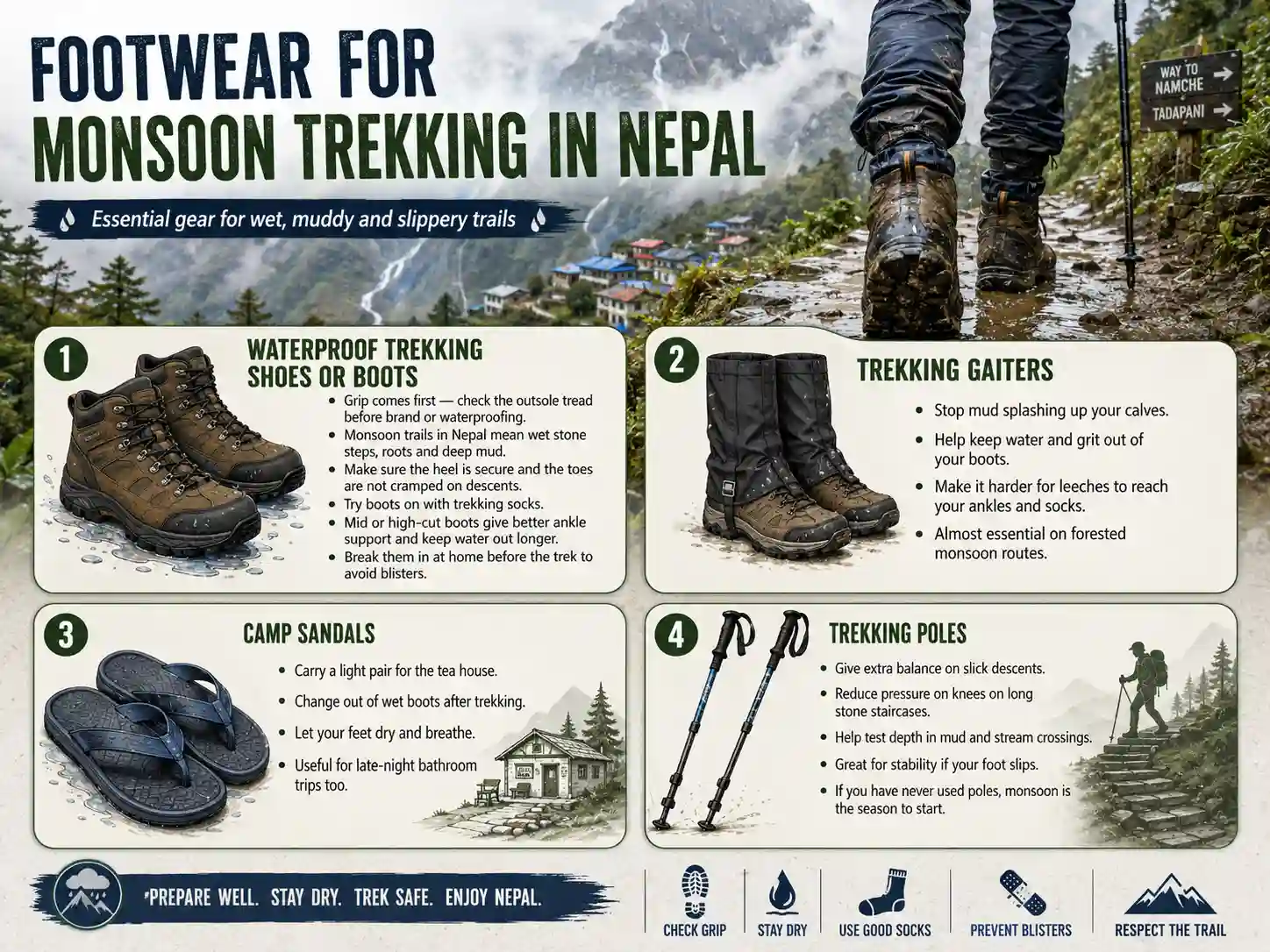
Waterproof Trekking Shoes or Boots: Grip is the priority in monsoon, ahead of waterproofing and ahead of brand. Nepal's monsoon trails combine polished stone steps, wet roots and deep mud, and a worn-down sole will slide on all three. Look at the outsole tread before anything else.
Fit comes next. Boots should hold your heel without pinching your toes on long descents, and you should size with trekking socks on. Mid or high-cut boots give ankle support on uneven, muddy ground and keep water out longer than low-cut shoes.
Then waterproofing, and finally comfort. And whatever you buy, break it in properly at home over several weeks. New boots on a wet Nepali trail are a reliable way to end up with blisters on day two, when your feet are already soft from moisture.
Trekking Gaiters: Low gaiters do three jobs at once: they stop mud splashing up your calves, they keep water and grit from running into the top of your boots, and they make it considerably harder for leeches to reach your ankles and socks. On forested monsoon routes they are close to essential.
Camp Sandals: A lightweight pair of sandals or slip-ons for the tea house. Once you arrive, wet boots come off and stay off, and your feet get several hours to dry out and breathe. They also make the walk to a shared bathroom at night far less unpleasant.
Trekking Poles: A pair of adjustable poles earns its weight in monsoon. They give you two extra points of contact on slick descents, take load off your knees on long stone staircases, help you test depth at muddy sections and stream crossings, and steady you when a foot slides. If you have never used poles, monsoon is the season to start.
Women's Personal Hygiene Packing List for a Nepal Monsoon Trek
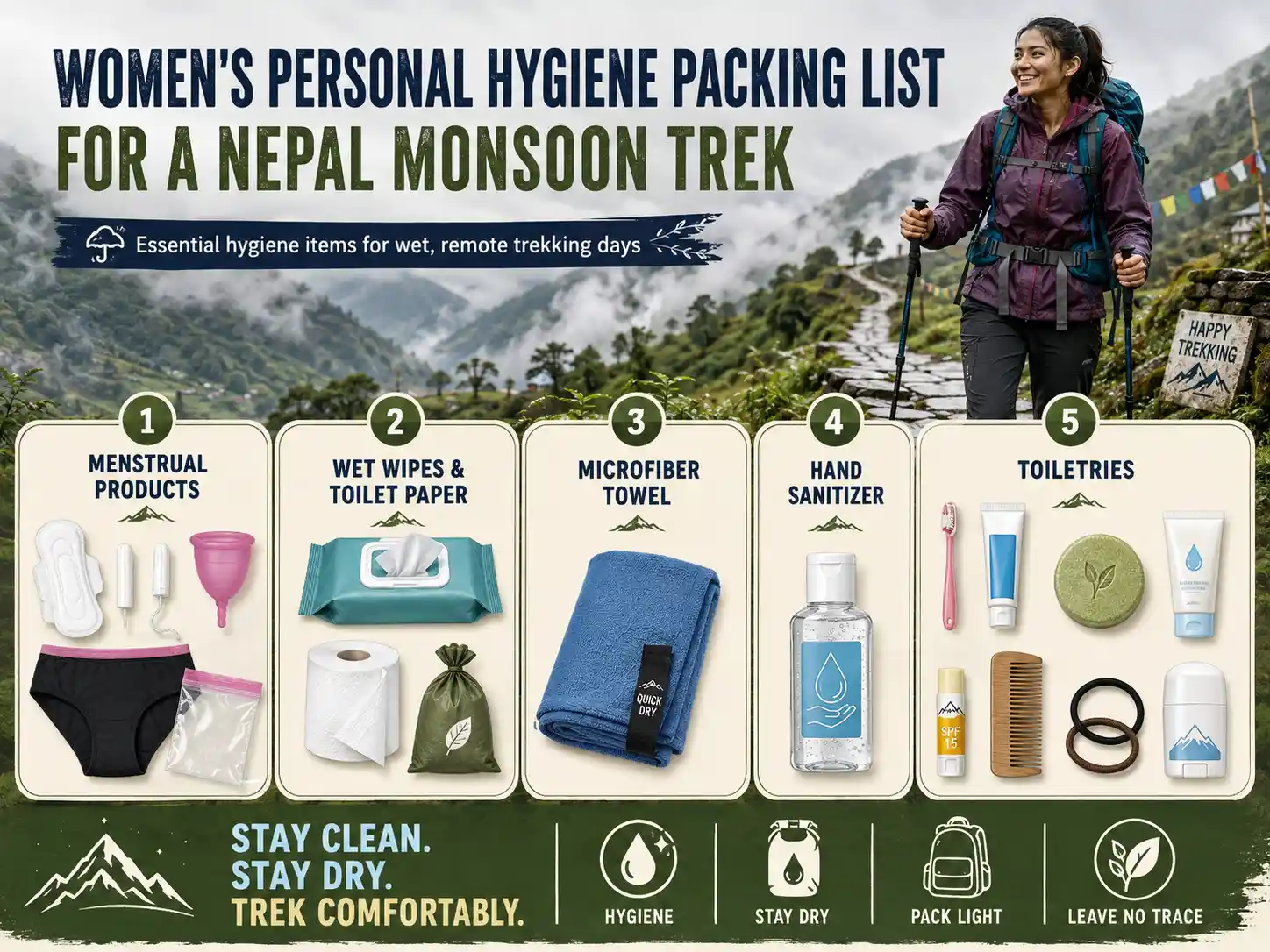
Menstrual Products: Carry your own and carry enough. Pads, tampons, menstrual cups and period underwear all work on a trek, and none of them is universally the right answer. Cups reduce waste and bulk but need clean hands and reasonably private water access, which is straightforward in most tea houses and harder on camping treks. Pads and tampons are simpler but generate waste you must carry out. Period underwear works well as a backup layer regardless of your main method.
Pack for the full expected duration plus a few days' contingency, since altitude, exertion and travel commonly shift cycle timing. Buy in Kathmandu before you leave if you need to restock, as selection along most trekking routes is limited, and specific brands may not be available. Bring sealable bags for used products; disposal facilities on the trail are basic, and burning or burying is not appropriate. Whatever you bring in, you carry out.
Wet Wipes and Toilet Paper: Bring both. Tea-house bathrooms rarely supply toilet paper; hot showers are inconsistent and sometimes unavailable, and on wet days a full wash may not be practical at all. Biodegradable wipes let you clean up without a shower. Carry a small bag for used paper and wipes rather than leaving them behind.
Microfiber Towel: A small quick-dry microfiber towel packs down to nothing and dries in a fraction of the time a cotton towel takes. In monsoon humidity, a regular bath towel will not dry between uses and will start to smell within two days.
Hand Sanitizer: A small bottle, kept in an outside pocket where you can actually reach it. Washing facilities before meals are inconsistent along the trail.
Toiletries: Travel sizes only: toothbrush, toothpaste, a small bar of soap or solid shampoo, moisturiser, lip balm, hair ties, a small comb and deodorant if you want it. Solid toiletries avoid leaks and weigh less. Every full-size bottle you pack is weight you carry uphill in the rain for no benefit.
Skin, Sun and Hair Care During a Monsoon Trek
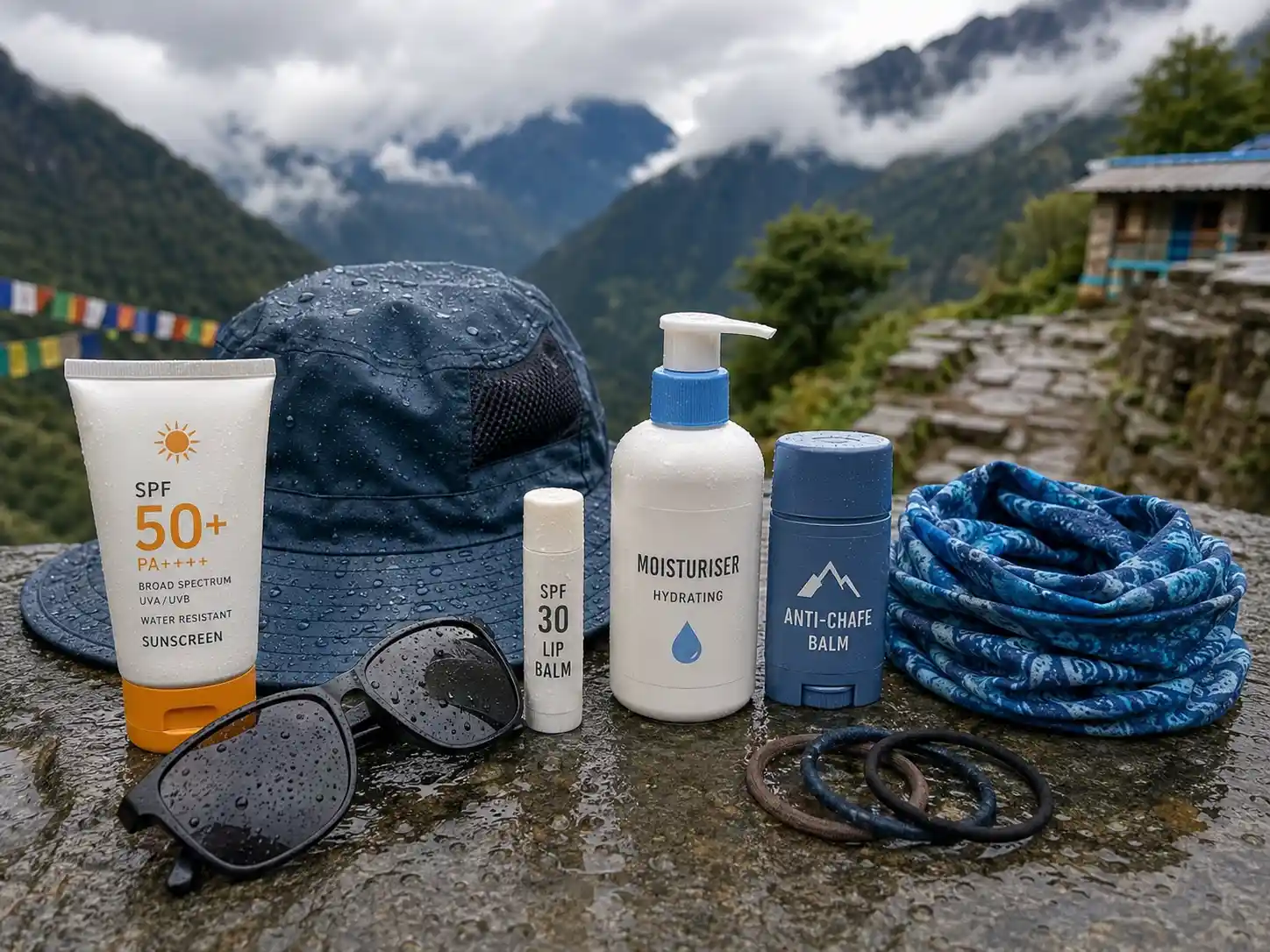
You still need sunscreen. Cloud cover reduces glare, not ultraviolet exposure, and UV intensity rises significantly with altitude. Trekkers routinely burn on overcast monsoon days because the sun did not feel strong.
Pack a high-SPF sunscreen, sunglasses for the bright breaks between clouds, a hat or cap with a brim, and SPF lip balm. Add moisturiser for the drier, colder air at altitude, and something for chafing if you are prone to it. Damp fabric rubbing under a pack strap or between the thighs over consecutive long days is one of the most common trail complaints, and it is far easier to prevent than to treat.
Hair ties and a buff or headband are small items that make a genuine difference when you are walking in the rain with a hood up.
Health and First-Aid Essentials for Women
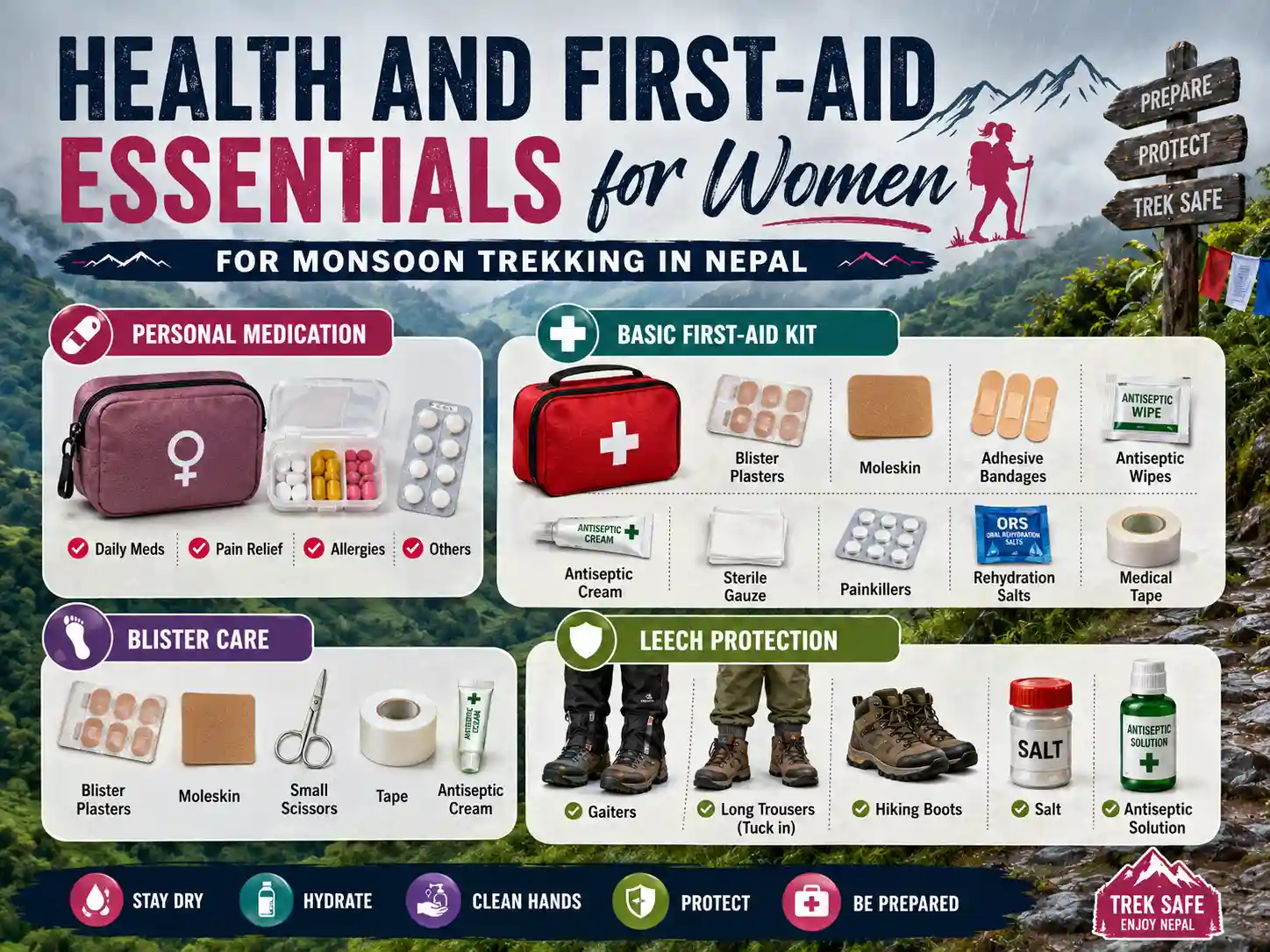
Personal Medication: Carry everything you personally need for the full trip, in your own daypack rather than a porter's load, with a copy of the prescription if it is anything unusual. Pharmacies exist in Kathmandu and Pokhara but not reliably on the trail.
Basic First-Aid Kit: Keep it small and relevant: blister plasters and moleskin, adhesive bandages, antiseptic wipes or cream, sterile gauze, painkillers, rehydration salts, any personal medication, and tape. Blister care is the item you are most likely to use, because wet feet blister far more easily than dry ones.
Leech Protection: Leeches are a real feature of monsoon trekking on wet, forested trails at lower and middle elevations, and effectively absent on high, dry and rain-shadow routes. They are unpleasant rather than dangerous, and they are manageable.
Wear long trousers tucked into socks, use gaiters, and check your boots, socks and ankles whenever you stop. Carry salt or a small container of antiseptic and something to detach them cleanly rather than pulling. Guides on affected routes know exactly which sections are worst and how to handle them, so follow their advice on where to stop and where not to sit down.
Electronics and Documents: How to Keep Them Dry
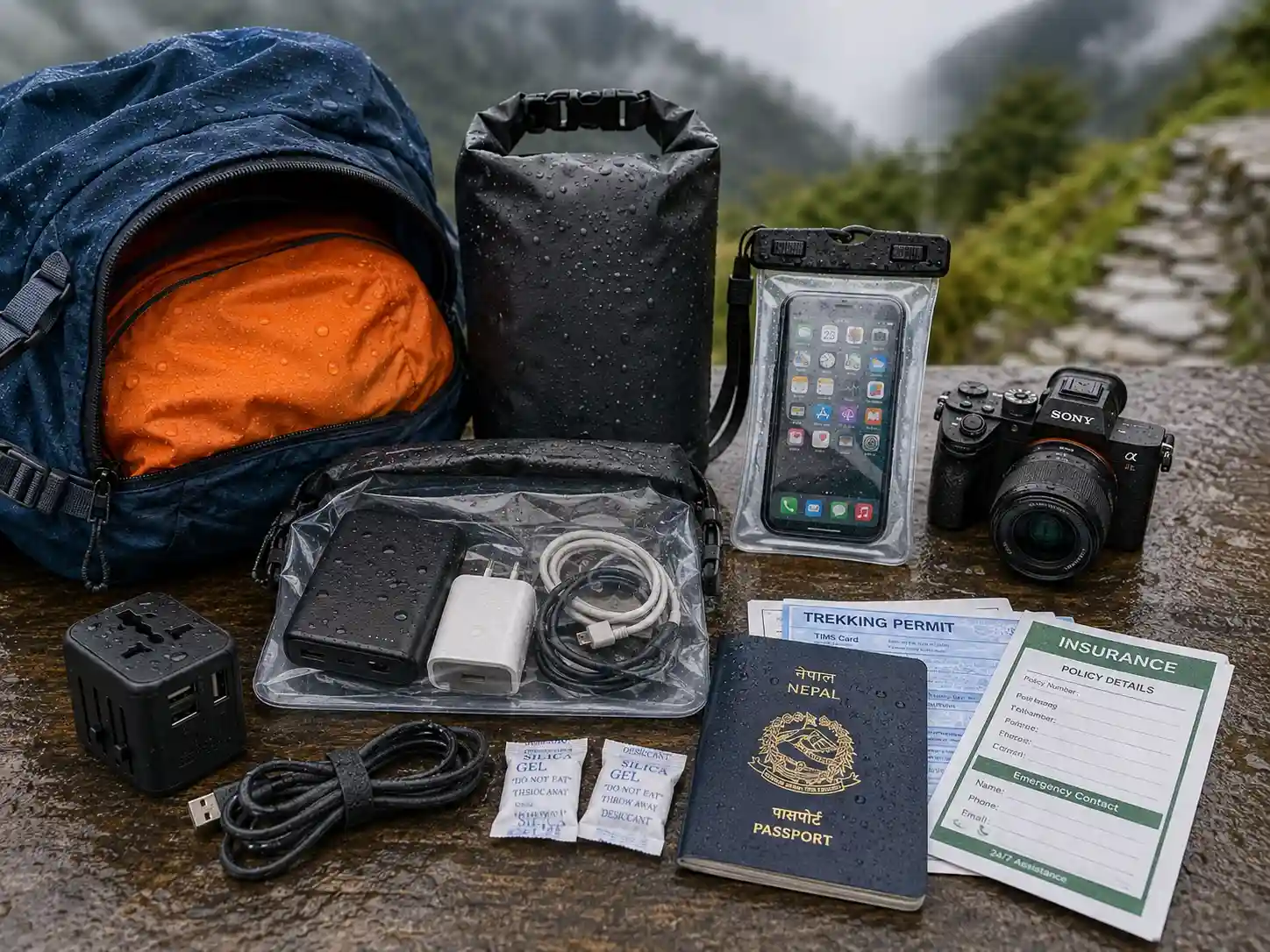
The items to protect are your phone, camera, power bank, charging cables, a universal adapter if you need one, your passport or ID, your trekking permits, insurance documents and emergency contact information.
Use layers rather than a single barrier:
Backpack → pack liner → dry bag → individual waterproof pouch
Documents and your phone go in the innermost pouch. Electronics and cables share a dry bag. The liner catches anything that gets past the rain cover. In practice, this means water has to defeat four separate layers to reach your passport, which it will not.
A few practical additions: charging is paid for by the hour in most tea houses and is not always available, so a power bank of reasonable capacity is worth the weight. Photograph your passport, permits and insurance policy and store the images offline as well as in the cloud. Silica gel packets thrown into your electronics dry bag help with the ambient humidity.
How to Pack Your Backpack for a Monsoon Trek
Packing order matters more in monsoon than in any other season, because you will be opening your bag in the rain.
- Keep rain gear at the top. The jacket, rain pants, and pack cover go in last so they come out first. Rain in Nepal starts fast; you should be able to get covered in under a minute without unpacking anything else.
- Waterproof the inside of the backpack. Line the main compartment before anything goes in. Everything else then sits inside a sealed environment rather than relying on the outer cover.
- Separate wet and dry clothing. Carry one dedicated bag for anything damp. Wet clothes contaminate dry ones fast in a closed pack, and nothing is more demoralizing than opening your bag to find the clean set is damp too.
- Protect electronics and documents. Inner dry bag, ideally near the top of the pack rather than the bottom where water collects.
- Keep hygiene items accessible. Menstrual products, wipes, toilet paper, and sanitizer belong in a side pocket or the top lid, not buried under three days of clothing. You will need them at short notice, often beside the trail.
- Keep one completely dry outfit sealed and untouched. Base layers, dry socks, and dry underwear. This set is not for walking in. It is what you change into at the tea house, and it is the single thing that makes a soaked day recoverable.
What to Pack for Different Types of Monsoon Treks in Nepal
Short Monsoon Treks Near Kathmandu
Routes like Nagarkot Chisapani and Shivapuri need less equipment overall, but rain protection is exactly as important. You can skip heavy insulation and multiple base layers, and you should not skip the jacket, gaiters or a dry bag for your phone. Leeches are present in the forested sections.
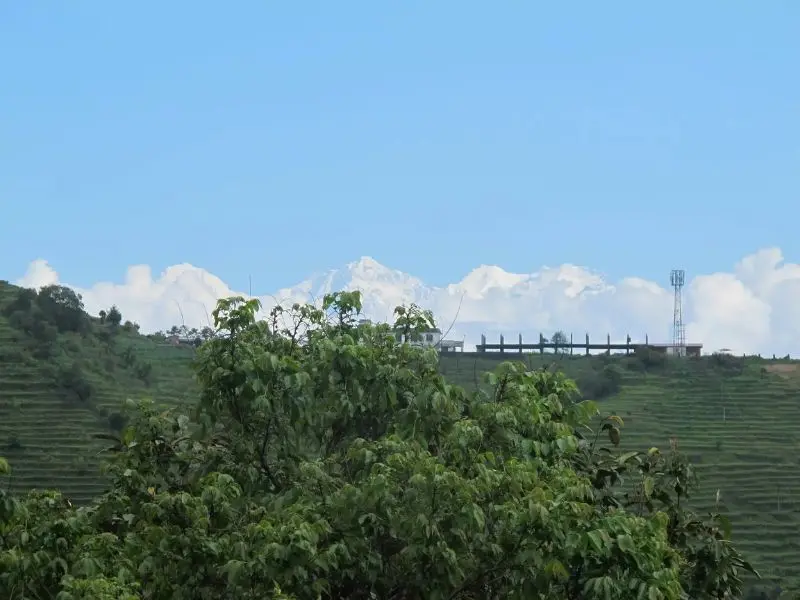
Lower-Altitude Forest Treks
The wettest and greenest option, and the one where mud, humidity and leeches dominate. Prioritise gaiters, long trousers, insect repellent, aggressive sole tread and enough quick-dry shirts to cope with sweating through them daily. Warm layers matter less here.
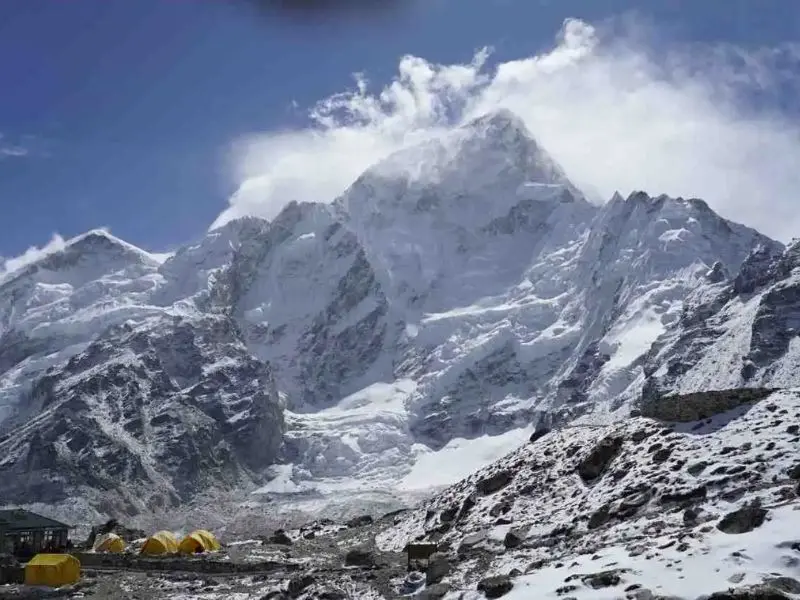
High-Altitude Treks
Above roughly 3,500 metres, the packing problem changes character. You still need full rain protection for the wet approach through the valleys, but you also need proper insulation, warm sleeping layers, gloves, and a hat. Weather variability is the defining issue: a humid, leech-ridden forest morning and a cold, cloud-locked ridge evening can happen on the same day.
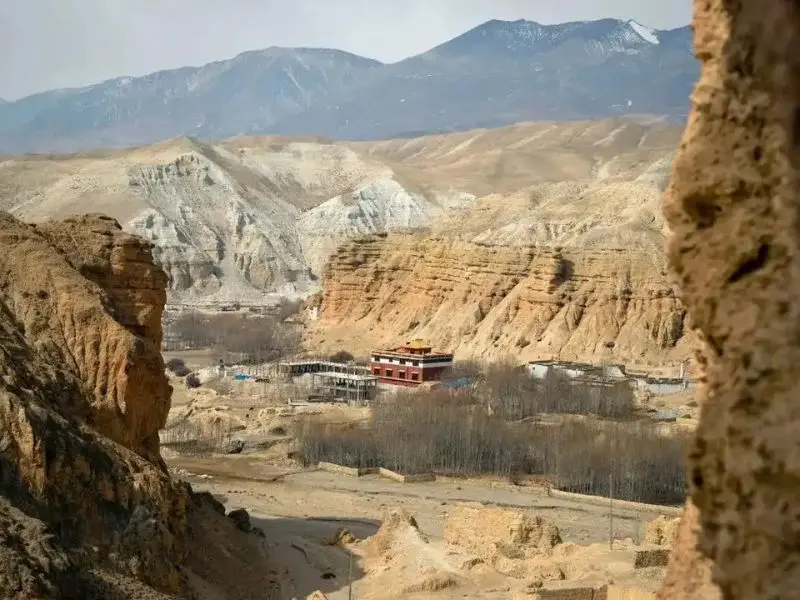
Rain-Shadow Treks
Monsoon conditions are not uniform across Nepal. North of the main Himalayan range, the mountains block most of the incoming rain, and areas like Upper Mustang and Dolpo stay comparatively dry through the monsoon months. That is why they are among the few Nepali regions that trek well in July and August.
Packing for these routes shifts noticeably: less emphasis on constant waterproofing, far more on wind protection, sun protection, dust, and the wide temperature range between blazing afternoons and cold nights. You will still carry a rain jacket, but you may use it for wind more often than rain.
What NOT to Pack for a Monsoon Trek in Nepal
- Jeans and heavy cotton clothing. Heavy when wet, cold against the skin, and effectively impossible to dry in monsoon humidity.
- A full-size bath towel. Bulky, slow to dry, and unpleasant within two days. A microfiber towel replaces it.
- Full-size toiletries. Decant into travel sizes. Every extra bottle is dead weight uphill.
- Too many clothes. More clothing does not solve wet clothing. Fabric choice and rotation do.
- A third pair of shoes. Trekking boots and camp sandals are enough.
- Heavy gadgets. Laptops, tablets, drones and large camera setups add weight and give the rain more to destroy.
- Technical mountaineering equipment you have not been told you need for your specific route.
- Jewellery and non-essential valuables. Nothing to gain, something to lose.
Monsoon Trek Packing Tips for Women
- Prioritise waterproofing over extra clothing. A liner and dry bags do more for you than a fourth shirt.
- Choose fabric before quantity. Quick-dry synthetic or merino, no cotton.
- Keep one complete outfit permanently dry and sealed and never walk in it.
- Buy menstrual and hygiene products in Kathmandu before you leave for the trailhead.
- Break in your boots over several weeks at home, not on the trail.
- Keep rain gear at the very top of your pack, always.
- Use separate waterproof bags for documents, electronics, and wet clothes.
- Check route-specific conditions and forecasts before departure, since monsoon impact varies enormously by region.
- Adjust the list for altitude and trek type rather than copying it wholesale.
- When in doubt, leave it out. Weight matters more when the trail is mud.
Final Takeaway: Pack Light, Stay Dry and Prepare for the Route
The best monsoon packing list is not the longest one. It is the one that keeps you dry, comfortable, and prepared for the specific route you have chosen. Five categories carry almost all the weight of that: rain protection, quick-drying clothing, suitable footwear, hygiene supplies, and health and safety essentials.
Everything else depends on where you are going. A forested trek out of Pokhara in July and a rain-shadow crossing into Upper Mustang the same week ask for different bags, and the packing list should follow the route rather than the season alone.
If you are planning a monsoon trek and want a route matched to the conditions, our women-only departures run through the monsoon months in the regions that handle the rain best. Get in touch with us and we will help you choose the trek and finalise the packing list for it.
Frequently Asked Questions About Monsoon Trek Packing for Women
What Should Women Pack for a Monsoon Trek in Nepal?
Waterproof rain gear, quick-drying clothing, broken-in trekking footwear, extra socks, menstrual and hygiene supplies, dry bags, basic first aid, and leech protection for forested routes. The priority is keeping both your body and your critical belongings dry, since humidity makes drying anything on the trail slow and unreliable.
What Should Women Wear While Trekking in Nepal During Monsoon?
Quick-drying synthetic or merino shirts, lightweight trekking trousers, a waterproof jacket and rain pants, breathable sports bras and quick-dry underwear. Add base layers and a fleece if your route goes above 3,000 meters. Avoid cotton entirely, as it holds water, chafes and will not dry in monsoon humidity.
Are Waterproof Shoes Necessary for Monsoon Trekking in Nepal?
Waterproof footwear helps considerably, but grip matters more. Monsoon trails combine wet stone, mud, and roots, and a worn sole is the bigger risk. Choose boots with aggressive tread and good ankle support, pair them with gaiters, and accept that in sustained rain some water will get in regardless.
Do I Need Rain Pants for Trekking in Nepal?
Yes, on most monsoon routes. Wet trekking trousers chafe, chill you during breaks, and take a full evening or longer to dry. Rain pants with side zips are the practical choice because you can pull them on over your boots when the rain starts mid-trail.
How Many Pairs of Socks Should I Pack for a Monsoon Trek?
Three to four pairs for most treks, plus one warm pair reserved strictly for sleeping. The right number depends on trek length and drying access. On longer treks, plan to wash and rotate rather than carrying more. The essential rule is that one dry pair stays sealed and unworn during the day.
What Menstrual Products Should I Carry While Trekking in Nepal?
Whichever you normally use: pads, tampons, a cup, or period underwear all work. Carry enough for the full trek plus a few days' contingency, since altitude and exertion often shift cycle timing. Buy or restock in Kathmandu, and bring sealable bags to pack out all used products.
How Do I Keep My Clothes Dry While Trekking During Monsoon?
Use layers of protection: a pack rain cover, a waterproof liner inside the pack, and dry bags for individual sets. Keep one complete outfit sealed and unworn as an emergency dry set, and store damp clothing in a separate bag so it does not soak everything else.
Do I Need Leech Protection During Monsoon Trekking?
On wet forested routes at lower and middle elevations, yes. Gaiters, long trousers tucked into socks, and regular checks handle it. Leeches are unpleasant rather than dangerous. High-altitude and rain-shadow routes such as Upper Mustang and Dolpo have essentially no leech problem.
Can I Buy Trekking Gear in Kathmandu?
Yes. Thamel has a large concentration of trekking shops selling rain gear, dry bags, poles, gaiters, and clothing, with sleeping bags and down jackets usually available to rent. Quality varies, so buy carefully and never rely on last-minute purchases for boots or anything safety critical.
What Should I Not Pack for a Monsoon Trek?
Jeans, heavy cotton clothing, full-size towels and toiletries, extra shoes, heavy electronics, and valuables. Excess clothing is the most common mistake, since more fabric does not solve the drying problem. Weight matters far more on muddy, slippery trails than it does on dry ones.
What Should I Pack for a 5-Day Monsoon Trek in Nepal?
Two quick-dry shirts, two pairs of trekking trousers, three to four pairs of socks, three to four pairs of underwear, two sports bras, one base layer set, a fleece, full rain gear, gaiters, camp sandals, hygiene and menstrual supplies, first aid, and dry bags. Five days is short enough to carry everything without washing.
Is It Safe for Women to Trek in Nepal During Monsoon?
Yes, with the right route choice, gear, and guiding. The real monsoon risks are slippery trails, landslides and flight delays rather than anything specific to women trekkers. Rain-shadow routes avoid most of the rainfall entirely, and a guided group manages trail conditions day by day.