
Tabel Of Contents
- Why Monsoon Is Actually the Best Time for Women to Trek Upper Mustang?
- Upper Mustang Monsoon Weather — What Women Trekkers Should Expect
- Is Upper Mustang Trek Safe for Women in Monsoon?
- Solo vs Group Trekking — What Women Adventures Recommends
- Upper Mustang Permits — What Every Woman Trekker Needs in 2026
- How Women Adventures Handles Permits For You?
- Getting to Upper Mustang in Monsoon — Routes & Logistics for Women
- Festivals in Upper Mustang During Monsoon — Experiences No Woman Should Miss
- Places to Visit on the Upper Mustang Trek in Monsoon
- What to Pack — Women's Monsoon Trekking Gear List for Upper Mustang
- Upper Mustang Monsoon Trek Itinerary — Classic 12–14 Day Route
- Why Trek Upper Mustang in Monsoon With Women Adventures?
- Conclusion
- FAQs
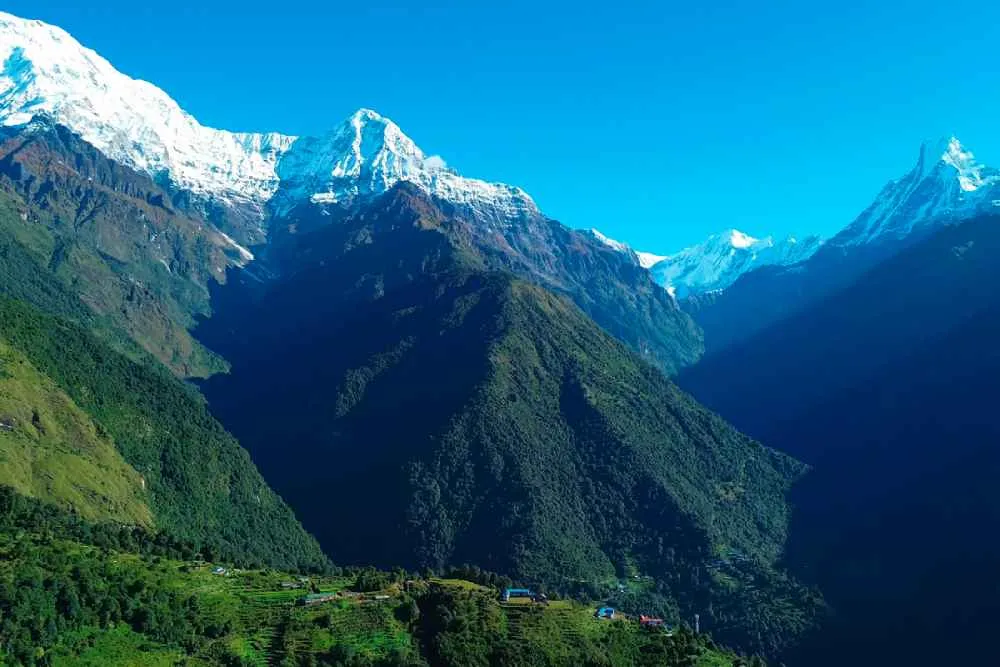
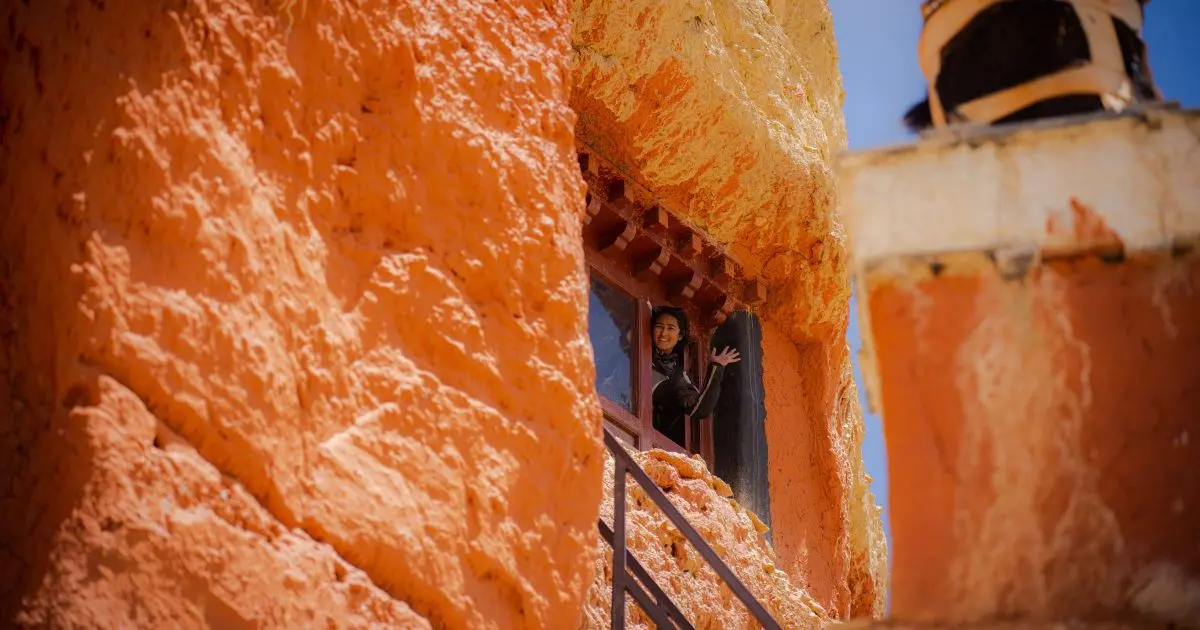
While the rest of Nepal disappears beneath a thick curtain of monsoon rain every June through August, Upper Mustang does something extraordinary that is, it stays bone-dry. Tucked behind the Annapurna and Dhaulagiri massifs, this ancient Forbidden Kingdom sits in a natural rain shadow that blocks the monsoon's moisture, leaving its ochre canyons, medieval walled cities, and sacred monasteries open for trekking when almost everywhere else closes down. For women who do their research, monsoon is not the season to avoid but it is the season to choose. Fewer crowds, lower costs, deeper cultural access, and trails that feel personally yours rather than a shared highway. Women Adventures specialises in women-only trekking expeditions across Nepal, guiding women through the most rewarding landscapes in the Himalayas, including the Upper Mustang Trek in Monsoon. If you have been asking whether this season is worth it, the short answer is yes. Read the entire article to find out why Upper Mustang Trek in Monsoon is one of the best monsoon treks in Nepal that is worth the time and budget.
Why Monsoon Is Actually the Best Time for Women to Trek Upper Mustang?
Most trekkers hear "monsoon" and immediately picture flooded trails, leeches, and cancelled flights. In Upper Mustang, that picture does not apply and once you understand why, you will start to see monsoon as the season that hands women trekkers every advantage. Below is some of the reasons why Monsoon is the best time for women to trek Upper Mustang.
The Rain Shadow Effect — Why It Stays Dry When All of Nepal Is Wet
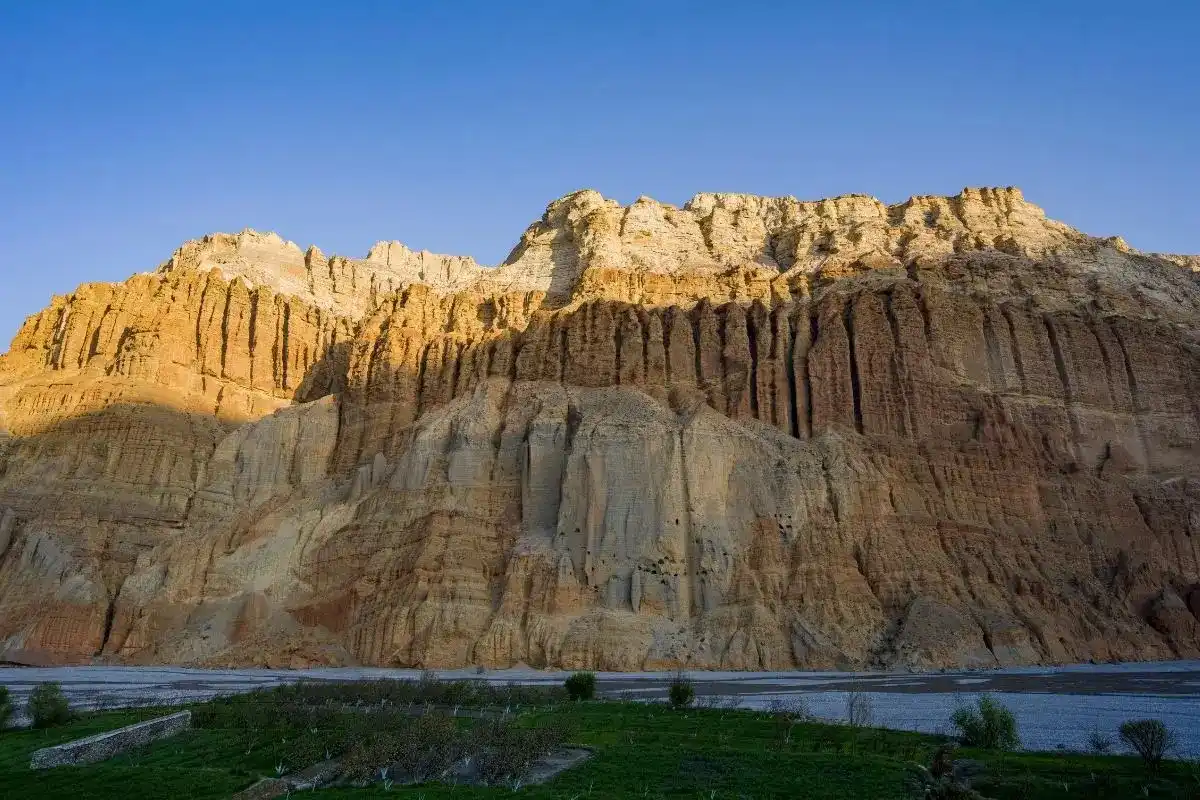
The Annapurna and Dhaulagiri mountain ranges form a natural wall that blocks moisture-laden monsoon clouds from reaching Upper Mustang. By the time a weather system climbs the southern slopes and attempts to cross, it has already spent its rain. The result is a high desert that receives only around 250mm of annual rainfall, drier than many European cities. While Pokhara, just a few hours south, is drenched with daily downpours, Lo Manthang's dusty trails shimmer in dry, clear light. Mustang rain shadow trekking Nepal is not a marketing phrase; it is a genuine meteorological phenomenon that turns monsoon into Upper Mustang's most compelling season for those who know where to look.
Fewer Crowds Means Safer, More Personal Trekking for Women
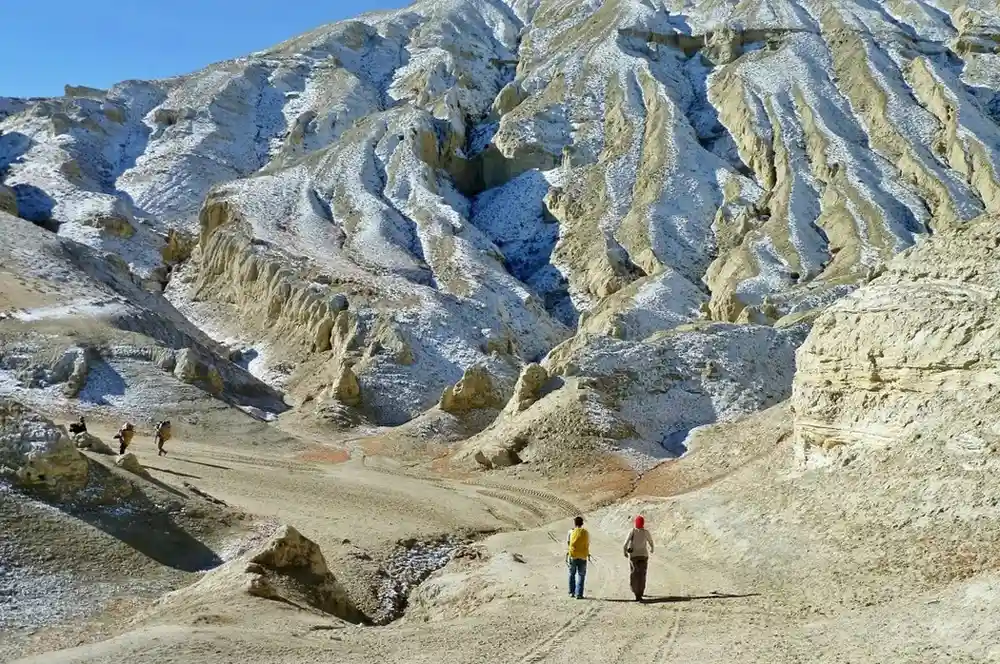
Off-season means you are sharing the trail with a handful of trekkers, not a convoy of group tours. Teahouses are quieter, guides give you their full attention, and hosts who are normally stretched thin in peak season now have time to sit with you, share tea, and make sure you are comfortable. For women traveling solo or in small groups, an uncrowded trail is a more relaxed and more personal.
Lower Costs and More Teahouse Availability in Off-Season
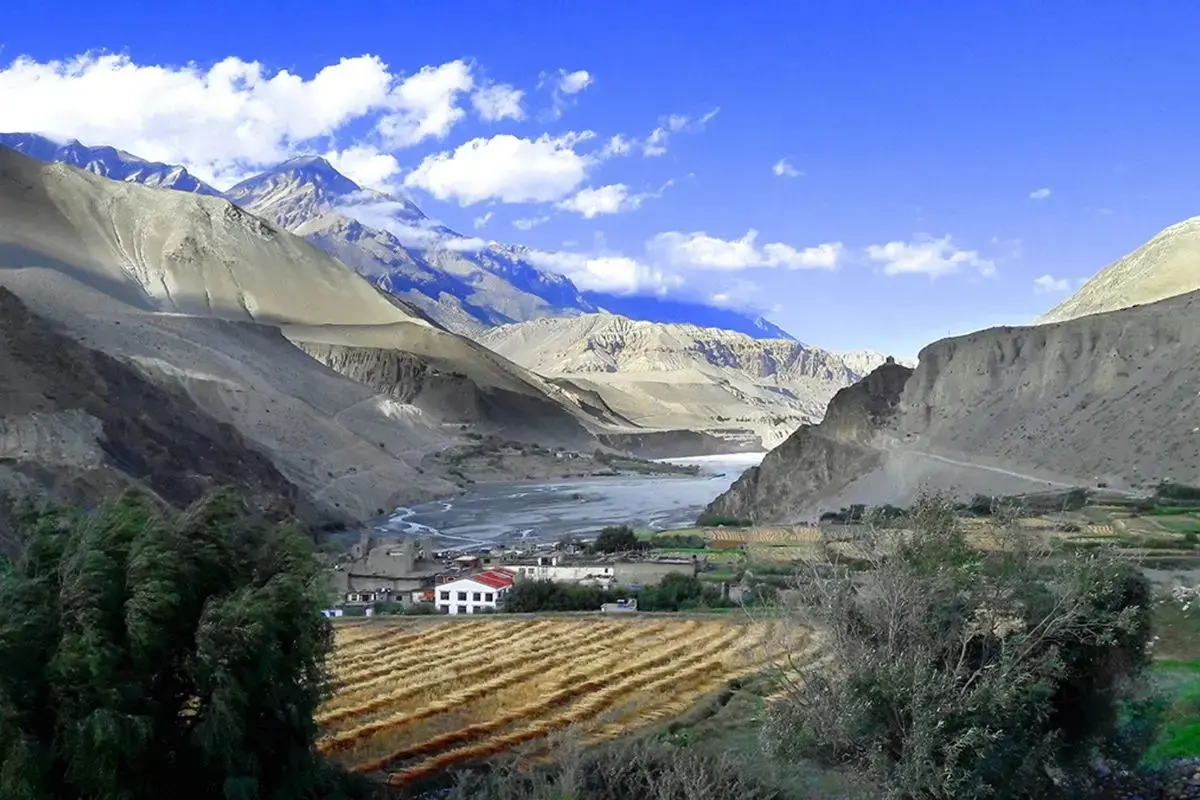
Teahouse rates and agency fees are generally lower in monsoon than in the October–November peak. Last-minute bookings are also far easier to arrange when demand is down. For solo female travellers managing their own budget, this difference is meaningful that is more of your money goes into the experience itself rather than into availability premiums. Off-season trekking Nepal is genuinely kinder on the wallet.
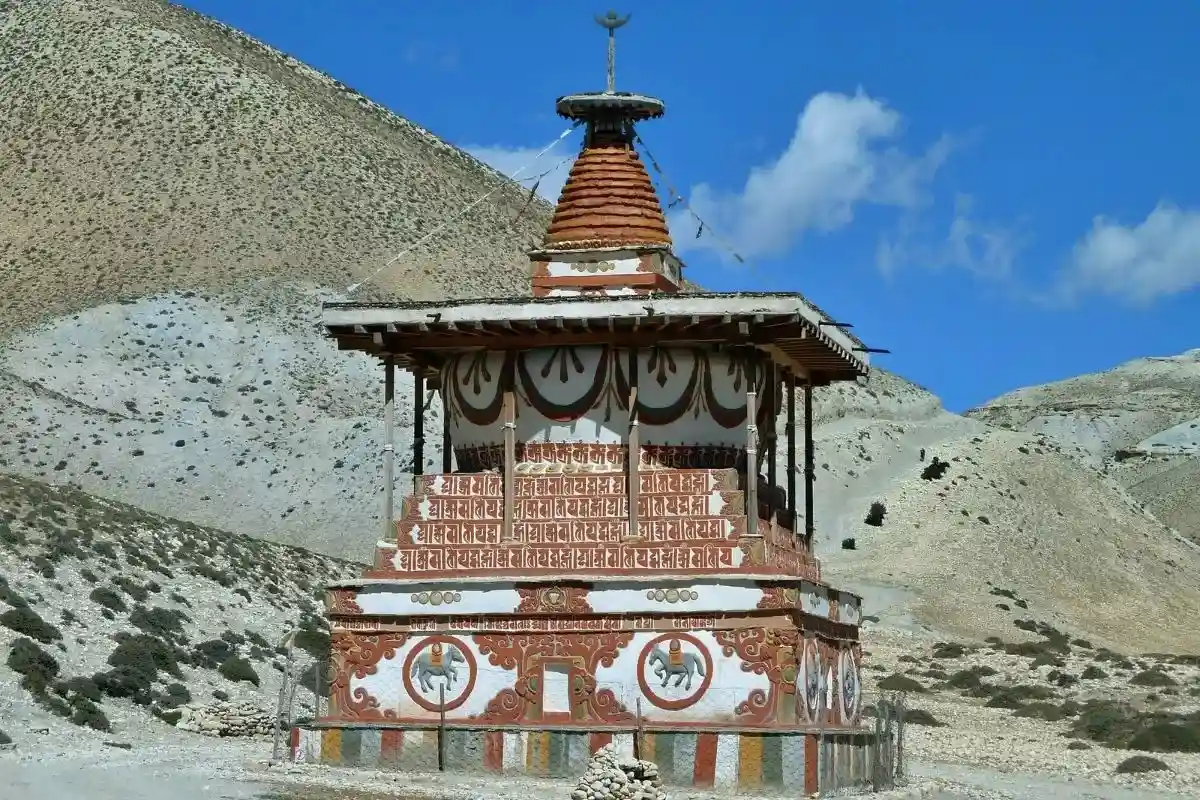
Richer Cultural Access — Locals Have More Time for You
In October, a local family in Lo Manthang might welcome fifty trekkers through their courtyard in a single afternoon. In July, you might be the only guest at their table. When locals are not managing large tour groups, they have genuine time for conversation, for sharing meals, for showing you the corners of their village that no guidebook mentions. For women trekking Upper Mustang, this translates into the kind of authentic Himalayan cultural experience that most trekkers spend a lifetime chasing and such experience can be found rarely in peak season.
Upper Mustang Monsoon Weather — What Women Trekkers Should Expect
Upper Mustang monsoon weather is the first question women ask before booking, and it deserves a clear, honest answer by month. Here is exactly what the three core monsoon months look like on the ground.
Upper Mustang Trek in June
June delivers daytime temperatures of around 15–20°C in the lower valleys, dropping to 0-5°C after dark. Wind is the bigger challenge early in the month, and dust storms can whip through the canyon country. Jomsom flight delays are possible but generally less frequent than July and August. The payoff for June trekkers: late June overlaps with the Dumji Festival, one of Upper Mustang's most intimate and under-visited community celebrations. If you are a cooler-weather trekker who wants a cultural highlight without August's heat, and you do not mind some wind, June is your month.
Upper Mustang Trek in July
July runs slightly warmer with daytime temperatures of 15–22°C, and nights around in the 2-8°C Upper Mustang. The landscapes begin to green up as wildflowers push through the desert soil, creating a vivid colour contrast against the ochre canyon walls that photographers genuinely love. Lower Mustang sections near Jomsom can have occasional slippery patches after rare showers, but above Kagbeni the trail remains firm and dry throughout July. The honest reality for Upper Mustang trekking in July is that Jomsom flights are often delayed. Clouds and wind build regularly over Pokhara, and flights cancel without much notice. Women Adventures' strong recommendation is to travel to Kagbeni by jeep from Pokhara rather than risk the flight — a 6–7 hour drive that is entirely reliable regardless of weather. The Upper Mustang jeep tour is also worth exploring for those who prefer to experience the full region by vehicle.
Upper Mustang Trek in August
August is the warmest monsoon month. Valley daytime temperatures can reach 18–25°C, while nights in Lo Manthang stay comfortable at around 5–12°C. The monsoon begins winding down, and the occasional light shower above Kagbeni is possible but rare. More importantly, August is festival month. The Yartung Festival, celebrated during the full moon, fills Lo Manthang and surrounding villages with horse racing, archery contests, folk dances, and the most vibrant traditional dress in the Himalayan calendar. For women who want warmth, colour, celebration, and the harvest energy of village life, the Upper Mustang Trek in August is the most festive window of the entire trekking year.
Temperature by Altitude Zone — Quick Reference
| Location | Altitude | Approx. Daytime Temp (Monsoon) |
| Jomsom | 2,720m | 18–23°C |
| Kagbeni | 2,800m | 17–22°C |
| Chele | 3,055m | 16–21°C |
| Ghami | 3,520m | 14–18°C |
| Tsarang | 3,505m | 14–18°C |
| Lo Manthang | 3,810m | 12–18°C |
Note: Nights at all altitudes in Upper Mustang will be significantly cooler, so always pack warm layers.
Trail Conditions by Section and Month
| Trail Section | June | July | August |
| Pokhara–Jomsom (road/air) | Dusty, windy | Occasional mud near river | Mostly dry, rare showers |
| Jomsom–Kagbeni | Firm with wind dust | Possible light mud after showers | Dry and firm |
| Kagbeni–Chele | Dry, rocky, firm | Dry, rocky, firm | Dry, rocky, firm |
| Chele–Ghami | Dry and dusty | Dry, occasional dust storms | Dry, clear |
| Ghami–Tsarang | Firm, wide plateau | Firm, light wind | Firm, warm |
| Tsarang–Lo Manthang | Rocky and firm | Rocky and firm | Rocky and firm |
Is Upper Mustang Trek Safe for Women in Monsoon?
Yes. With the right preparation and a trusted operator, Upper Mustang in monsoon is safe for women, and in several measurable ways, it is safer and more comfortable than peak season. Here is the honest, practical picture.
Trail Safety — What the Rain Shadow Means for Trail Conditions?
Above Kagbeni, Upper Mustang's trails are predominantly dry, firm, and well-defined even at the height of the monsoon. The rain shadow keeps the high desert genuinely aridand that you are far more likely to deal with dust than with mud. The only section that occasionally sees slippery conditions is the lower trail between Jomsom and Kagbeni after a rare shower. This is why Upper Mustang Trek is one of the best trekking routes in Nepal.
Accommodation Safety and Teahouse Standards in Monsoon
Teahouses in Lo Manthang, Tsarang, Ghami, and all key stops on the route remain fully open during the monsoon. In off-season, owners give individual guests significantly more personal attention, and rooms tend to be cleaner, quieter, and more private than during the peak-season rush when every bunk is filled.
Emergency Protocols — Insurance, Helicopter Evacuation & Permits
Travel insurance that explicitly covers high-altitude helicopter evacuation is non-negotiable for Upper Mustang. This applies in all seasons, including monsoons. Helicopter rescue is the primary emergency option in this remote region; road evacuation is not a realistic alternative at these altitudes and distances. For emergencies, always carry physical and digital copies of your permits.
Solo vs Group Trekking — What Women Adventures Recommends
Solo trekking in Upper Mustang is technically possible but Women Adventures' monsoon group departures offer something solo trekking simply cannot replicate: a female-friendly guide with deep local knowledge, pre-arranged permits, vetted teahouse bookings, and an emergency support structure that is active throughout the trek. In monsoon, when teahouse services are quieter and village populations are smaller, traveling with an organised group gives you more safety net and more local access simultaneously. Think of a Women Adventures group as the upgrade that costs you nothing in freedom but gives you everything in security, community, and experience.
Upper Mustang Permits — What Every Woman Trekker Needs in 2026
Upper Mustang requires two separate permits in 2026: a Restricted Area Permit (RAP) and an Annapurna Conservation Area Permit (ACAP). Mostly, trekking agencies themselves handle all permit logistics as part of their Upper Mustang Trek package that is you do not navigate government offices or paperwork alone.
Restricted Area Permit (RAP) — 2026 Cost and Process
The Upper Mustang Restricted Area Permit costs USD 50 per day in 2026. Unlike previous years, which required a minimum 10-day permit, trekkers now pay only for the actual days they spend in the restricted area. This permit is issued by the Nepal government and can only be obtained through a registered trekking agency; it cannot be arranged independently by individual trekkers. Permit checkpoints at Kagbeni and Tsarang will verify your documentation during the trek and missing or incorrect permits will stop your journey at the first gate.
ACAP — Annapurna Conservation Area Permit
Alongside the RAP, all trekkers must hold an ACAP permit covering the Annapurna Conservation Area that the route passes through en route to Upper Mustang. The current fee for foreign nationals is NPR 3,000. You can obtain the ACAP (Annapurna Conservation Area Permit) from the Nepal Tourism Board office at Bhrikutimandap, Kathmandu, or the Nepal Tourism Board office in Pokhara.
How Women Adventures Handles Permits For You?
Every Women Adventures Upper Mustang package includes complete permit management—RAP, ACAP, and all associated paperwork. You can arrive in Nepal focused entirely on your trek, not on navigating government counters or worrying whether your documentation is correct. Permit errors can end a trek at the very first checkpoint; having a specialist operator who knows the process inside-out is one of the most practical reasons to book with Women Adventures rather than attempt the paperwork independently.
Getting to Upper Mustang in Monsoon — Routes & Logistics for Women
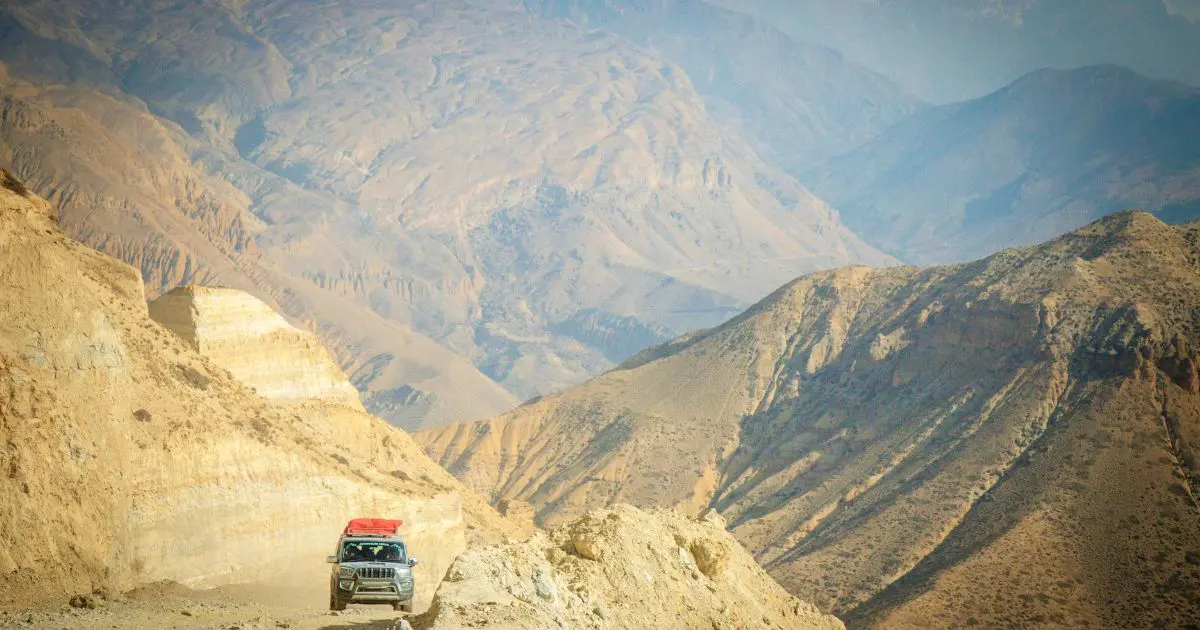
There are two ways to reach Upper Mustang: fly from Pokhara to Jomsom, or take a jeep from Pokhara to Kagbeni. In monsoon, how you plan around both routes matters considerably more than at any other time of the year.
Pokhara to Jomsom — Flight vs Jeep in Monsoon
The Pokhara to Jomsom flight takes around 20 minutes and offers spectacular views of the Annapurna range on clear days. In monsoon, however, this flight is frequently delayed or cancelled due to cloud cover and wind over the Pokhara valley; morning departures are preferred, but even those cancel regularly. Alternatively, one can opt for the Upper Mustang Jeep tour in monsoon which takes approximately 6–7 hours from Pokhara to Kagbeni, and is completely reliable regardless of weather.
Women Adventures' recommendation: Book the flight for the scenic experience if you wish, but treat the jeep as your primary plan. Never build a monsoon itinerary that depends on the Jomsom flight going ahead on a specific day.
What to Do If Your Flight Is Delayed (Monsoon Buffer Day Strategy)
Always build 1–2 buffer days into your Pokhara itinerary for monsoon flight uncertainty. A day in Pokhara is rarely a hardship: the Lakeside area offers morning walks along Phewa Lake, yoga studios, excellent cafes, and a perfect window to do a final gear check before heading into the hills. A Jomsom flight monsoon delay is not a disaster when you have planned for it.
Festivals in Upper Mustang During Monsoon — Experiences No Woman Should Miss
Here is something most trekking blogs will not tell you: Monsoon is actually festival season in Upper Mustang. While peak-season trekkers arrive in October to autumn colours and crowded trails, monsoon visitors land in the middle of some of the most extraordinary cultural celebrations in the Himalayan world.
Tiji Festival (May–Early June) — Sacred Masked Dances in Lo Manthang
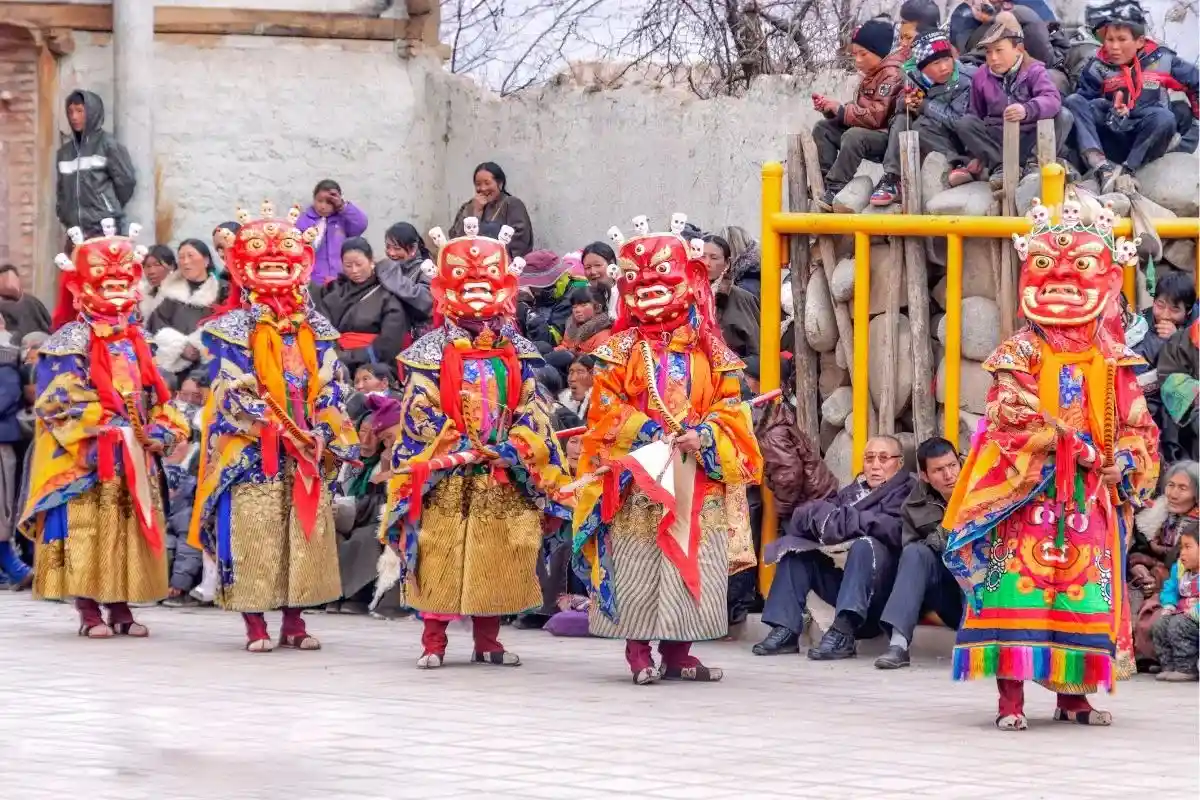
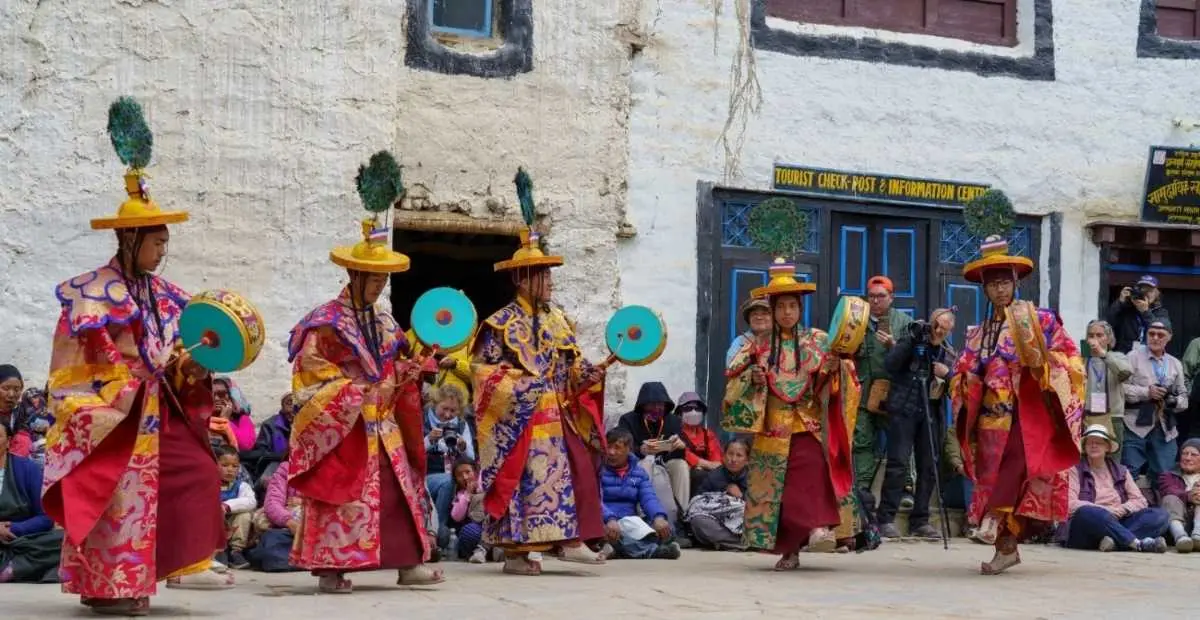
Tiji festival is a three-day sacred festival rooted in the myth of Dorje Jono, a deity said to have saved the Mustang kingdom from a demon threatening to destroy the world. Over three days in Lo Manthang's royal courtyard, monks perform elaborate Cham; highly choreographed masked ritual dances in vivid silk costumes to symbolically re-enact that victory. The ceremony is deeply spiritual, extraordinarily photogenic, and attended primarily by local villagers and a small number of informed travellers rather than international tour groups. Trekkers heading into Upper Mustang in early June may still catch the final days of Tiji.
Dumji Festival (June–July) — Community Celebration in Village Monasteries
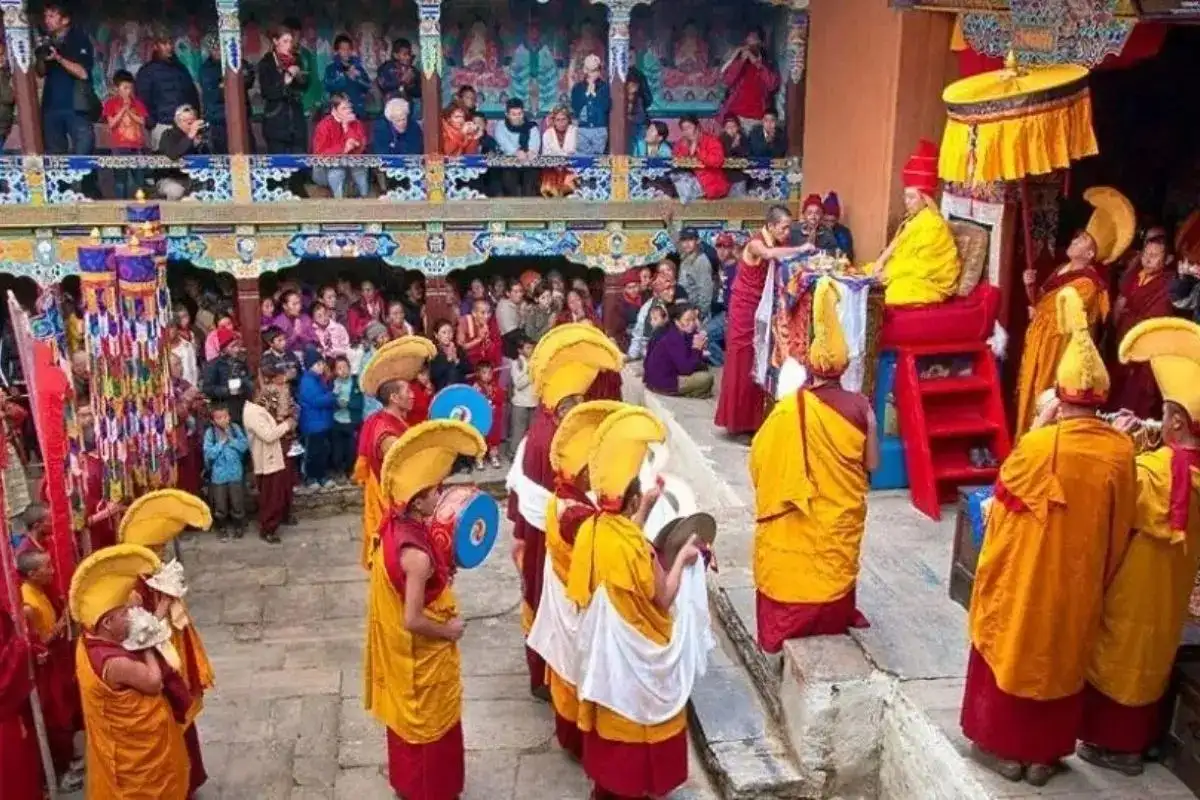
Less well-known than Tiji and all the more precious for it, Dumji is dedicated to Guru Rinpoche and celebrated in village monasteries across the region with mask dances, communal meals, and spiritual ceremonies. This is not a performance staged for tourists, but it is a practice, continuing exactly as it has for centuries, and most trekkers who come in October never see it at all. Tourists arriving may be invited to share a meal with a local family during Dumji.
Yartung Festival (August) — Horse Racing, Archery & Traditional Dress
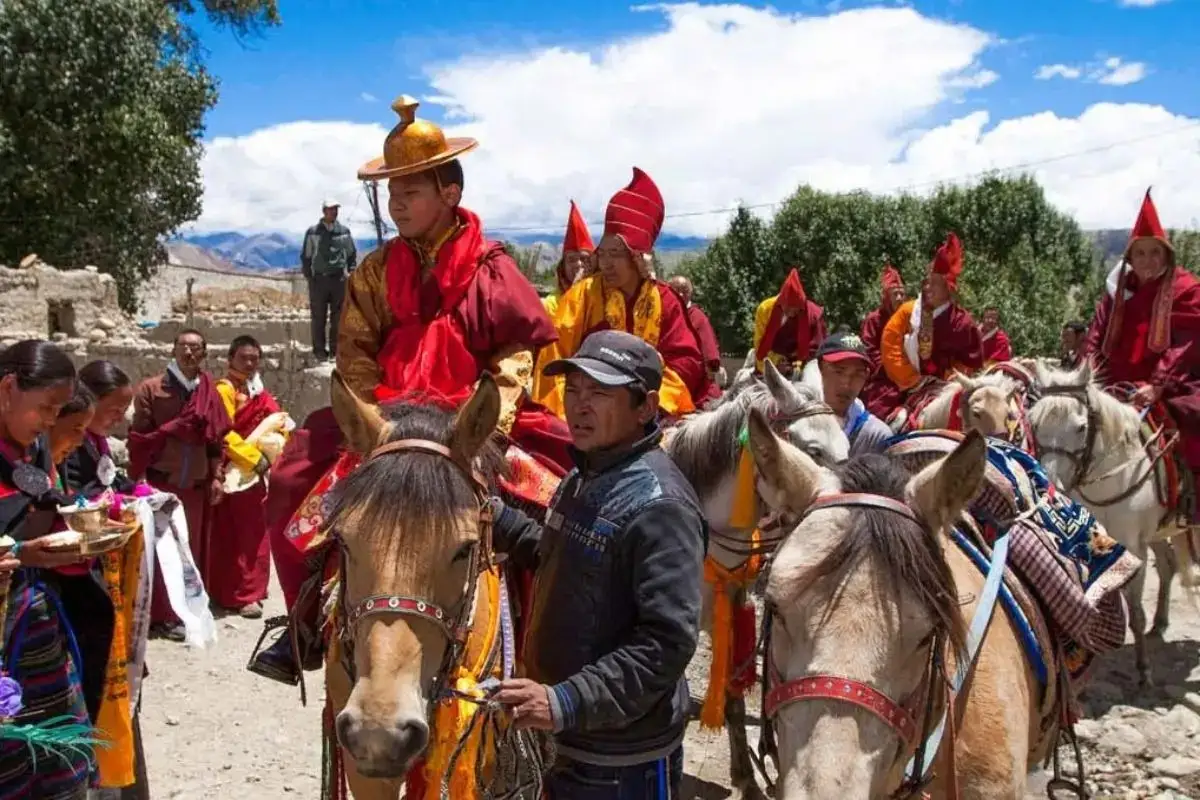
Held during the August full moon, Yartung is the most lively festival in Upper Mustang. In this festival, people enjoy traditional horse races on the open plateau, take part in archery competitions, and perform folk dances in the streets of Lo Manthang and nearby villages. Everyone dresses in vibrant traditional Mustangi attire: layered silk robes, turquoise jewellery, and ceremonial hats that make every photograph remarkable. For women who love culture, colour, and the experience of being genuinely welcomed into a celebration rather than merely photographing one from the outside, Yartung is one of the most spectacular events in the entire Himalayan calendar.
Places to Visit on the Upper Mustang Trek in Monsoon
These are the destinations included in your Upper Mustang journey, each with its own unique story and experiences. While no itinerary can fully capture everything they offer, the descriptions below provide a richer understanding of what makes each place special.
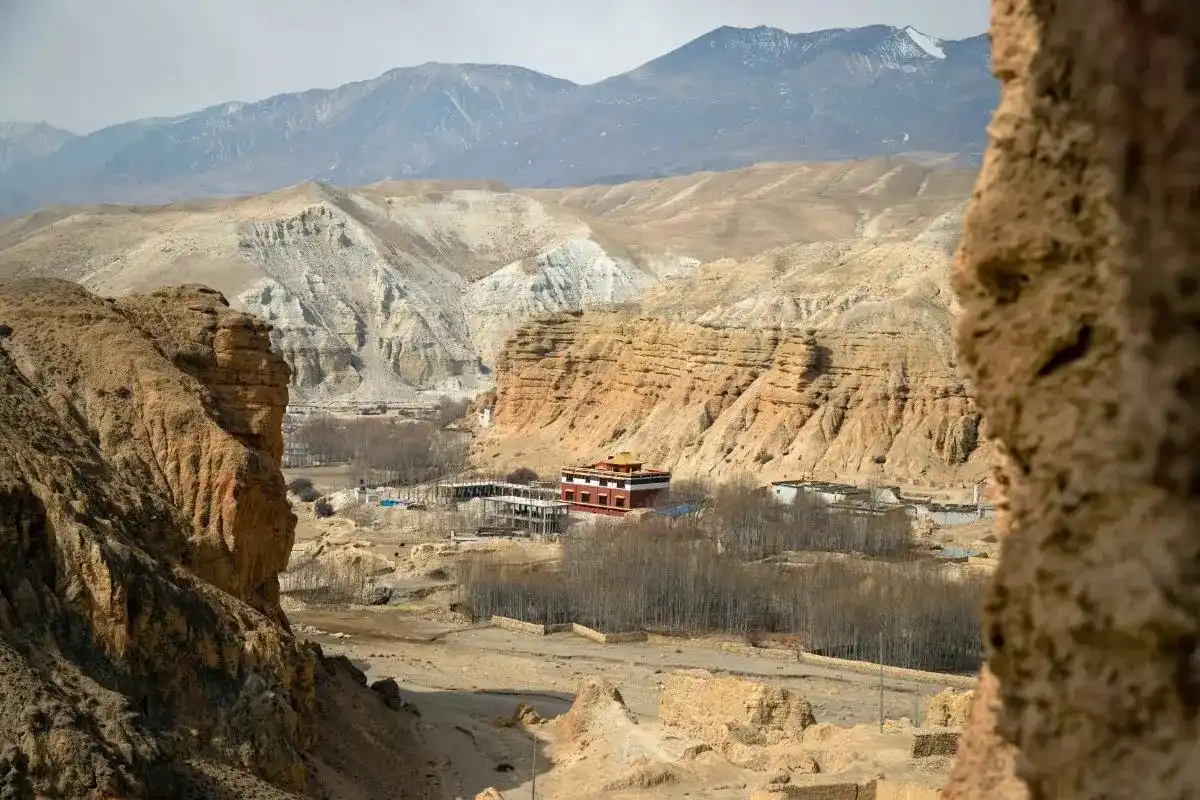
Lo Manthang — The Walled Capital of the Forbidden Kingdom
Lo Manthang is the emotional summit of the entire Upper Mustang trek. It is a medieval Tibetan town that has changed very little since it was built in the 14th century. It has narrow lanes, wind past crumbling buildings and the royal palace that rises above the rooftops with prayer flags that snap in the dry wind, and the twin anchor monasteries of Thubchen and Jampa Lhakang at its centre. In monsoon, without the October tour groups filling every alley, Lo Manthang has an eerie, beautiful quiet.
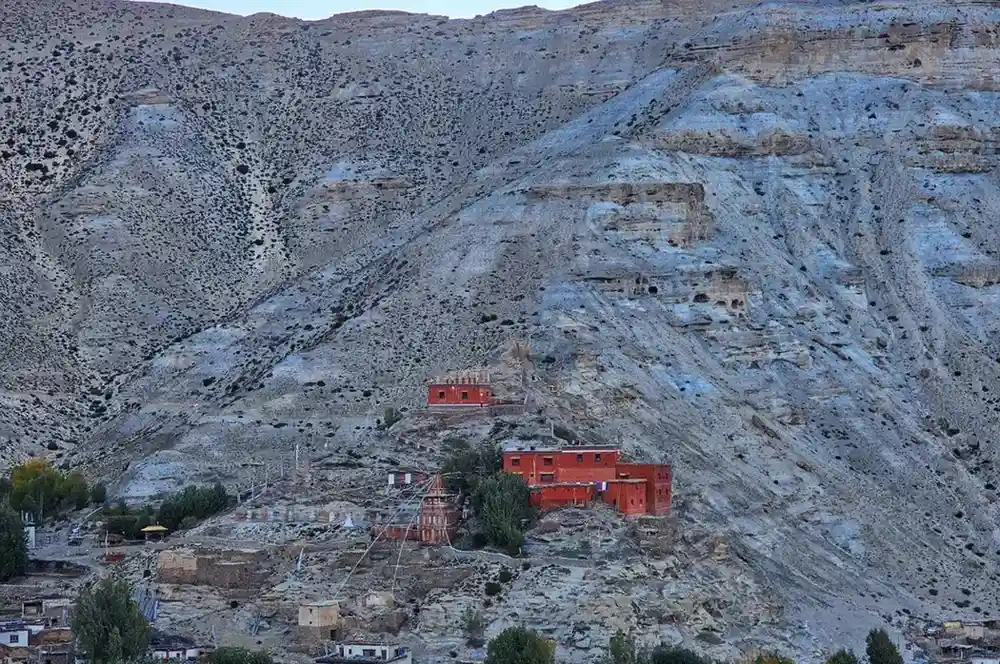
Tsarang — Ancient Dzong and Red Monastery
Tsarang sits on a clifftop above a sweeping canyon, its vivid red-painted monastery and crumbling dzong (fort) visible from miles away across the plateau. Inside the monastery, recent restoration work has revealed stunning 15th-century Tibetan murals in extraordinary condition and detail. The village itself feels genuinely frozen in medieval time with no souvenir stalls, no trail-side cafes, just stone lanes and prayer wheels turning slowly in the wind. The monsoon light — golden, diffused, without the harsh shadows of high-season sun, makes Tsarang one of the finest photography locations on the entire Nepal trekking network.
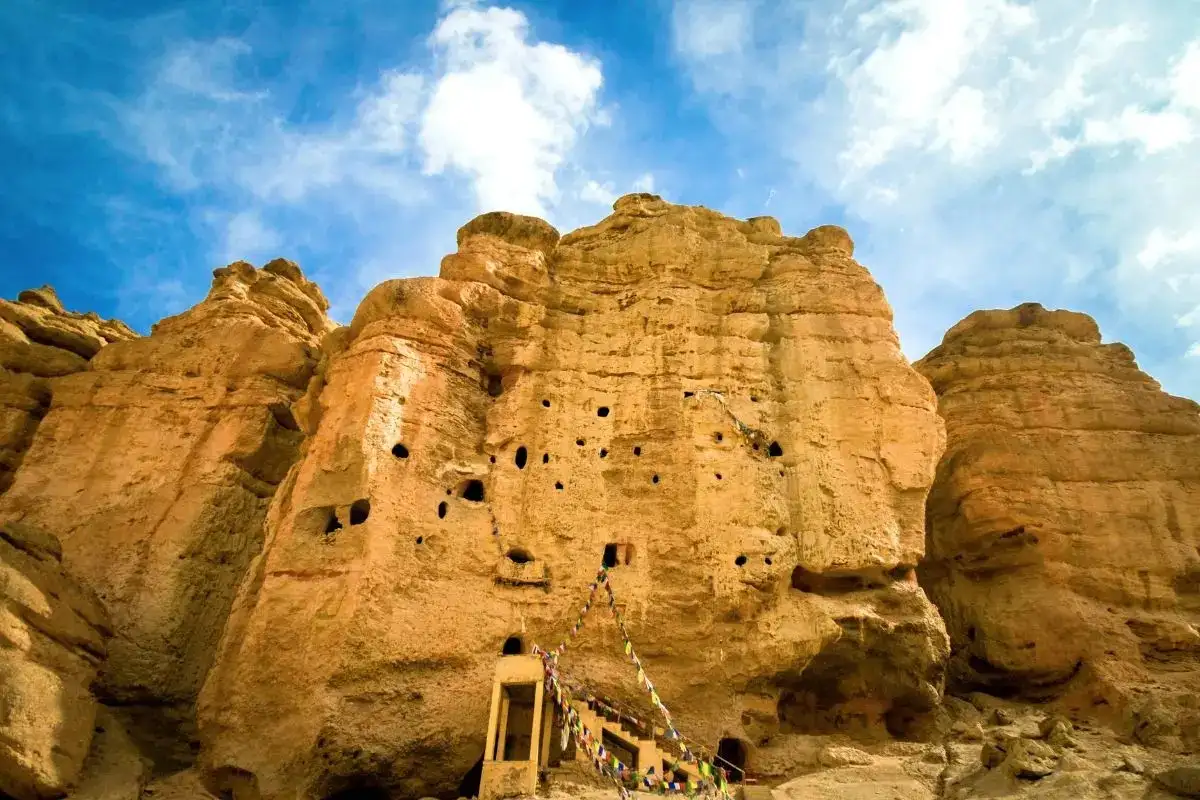
The Mustang Caves of Yara and Luri — 2,000-Year-Old Cliff Dwellings
Carved directly into the ochre canyon walls near Yara and Luri villages, these cliffside cave complexes are among the most mysterious and under-visited archaeological sites in all of Asia. Some cavities are over 2,000 years old; several contain ancient Buddhist paintings that have survived the centuries in remarkable condition. In monsoon, with almost no other visitors present, these caves feel genuinely archaeological as though you have stumbled upon something the wider world has not yet fully discovered.
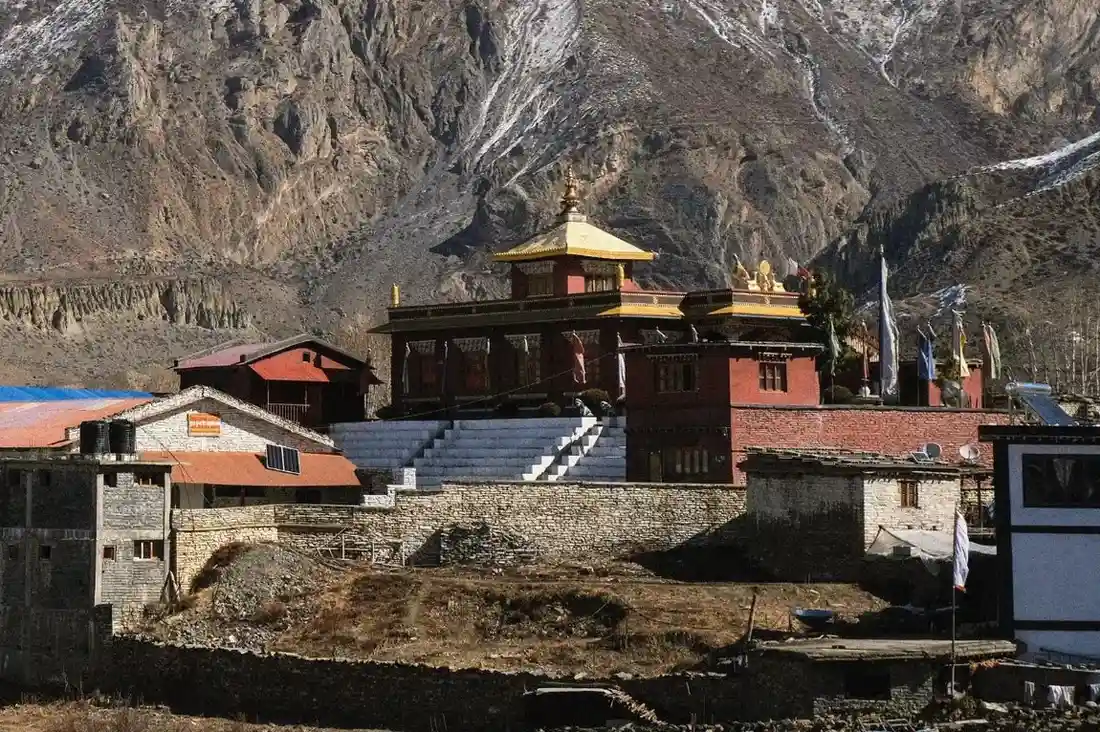
Thubchen and Jampa Lhakang — Restored Tibetan Murals
Both of Lo Manthang's principal monasteries, Thubchen and Jampa Lhakang have undergone major restoration programmes over the past two decades, revealing 15th-century Tibetan Buddhist murals of extraordinary quality — vivid blues, reds, and golds that have survived centuries of dust and darkness in perfect pigment. In monsoon's softer, more diffused light, the interior frescoes take on a dramatic, painterly depth that harsh October sunlight cannot match. You can get a guided entry into the monasteries to experience art with a proper cultural context.
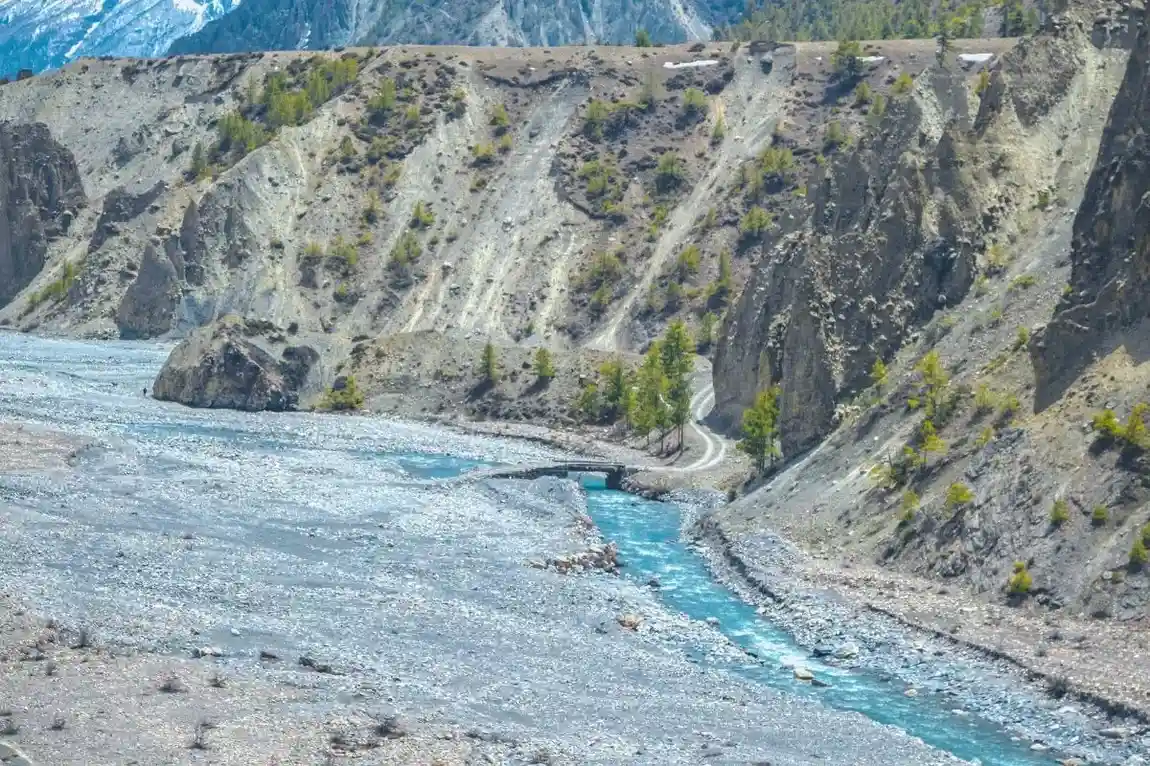
Kali Gandaki Gorge — The World's Deepest Gorge
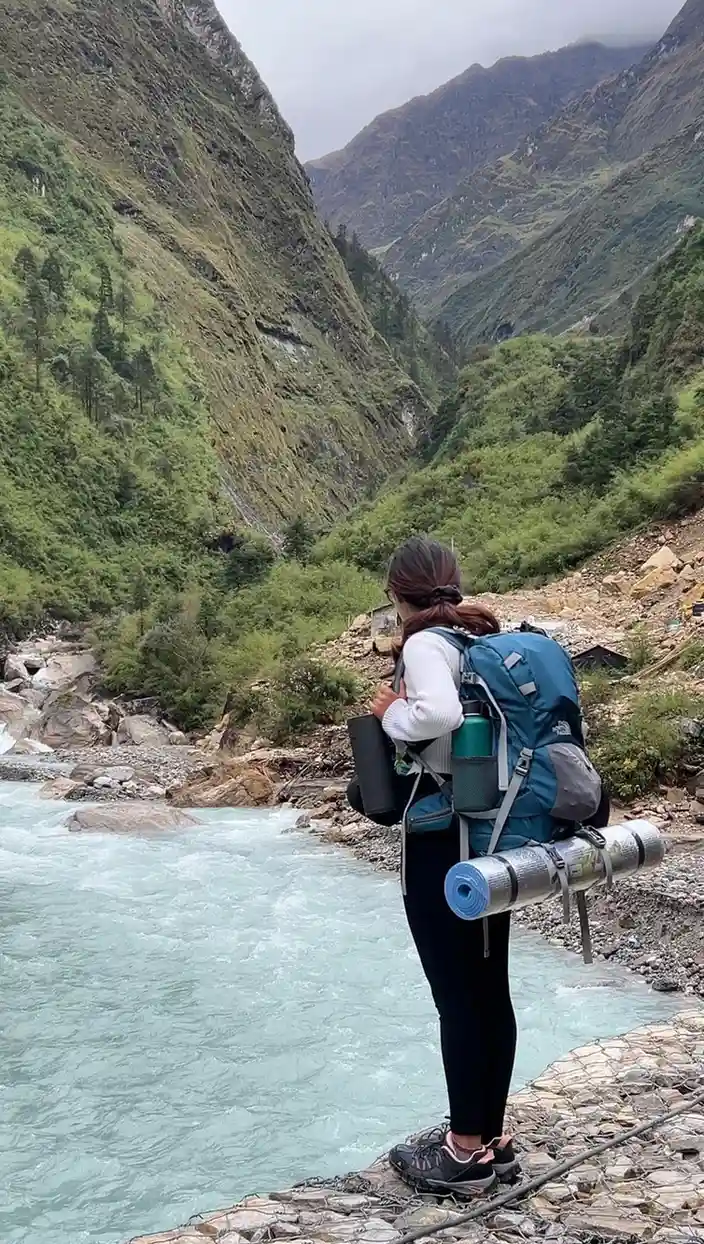
The Kali Gandaki is considered the world's deepest gorge by some measurements, flanked on both sides by the Annapurna and Dhaulagiri massifs rising to over 8,000 metres. In monsoons, the river runs full and powerful in contrast to the raw and dry canyon country above. Walking alongside it, in the early stages of the trek, through wide river beaches and wind-carved stone, establishes a sense of geological scale that prepares you for everything to come. In the riverbed, you can find Shaligram fossils; an ancient ammonite embedded in the black stone that locals consider sacred and that scientists travel from across the world to study.
What to Pack — Women's Monsoon Trekking Gear List for Upper Mustang
Upper Mustang in monsoon is drier than almost any other Nepal trek, but altitude, UV intensity, wind, and cool nights mean your packing decisions still matter significantly. Here is what women needs specifically for trekking this Upper Mustang route.
Clothing — Layering for Heat, Wind and Cool Nights
Think in three layers, always:
- Base layer: Lightweight merino wool or technical synthetic fabric that regulates temperature and manages moisture through hot valley sections. Cotton is not suitable at altitude; it retains moisture and chills fast once you stop moving.
- Mid layer: A light fleece or insulated gilet for warmth during rest stops, early mornings, and teahouse evenings.
- Outer shell: A compact, lightweight waterproof jacket, primarily for wind protection in Upper Mustang's canyon country but essential for the rare shower and sharp valley gusts. Quick-dry fabrics throughout.
Footwear — Why Sturdy Boots Still Matter in a Dry Desert
Upper Mustang's trails are rocky, uneven, and strewn with loose stone, which is the kind of terrain that punishes light trail runners within two days. Good ankle support over 15–20km of daily walking is not a preference; it is a practical necessity that will define your entire experience. You will need sturdy trekking boots with ankle support, lightweight dust gaiters for the drier sections, and a pair of sandals or camp shoes for comfortable teahouse evenings.
Sun Protection — UV Is Far Stronger Than It Looks at Altitude
At 3,000m and above, the UV index is significantly higher than at sea level, and monsoon haze creates a dangerous false sense of security. You can sustain serious sun damage on a completely overcast August afternoon in Lo Manthang, and many first-time altitude trekkers are surprised by how quickly it happens. Pack SPF 50+ sunscreen and reapply every two hours without exception, a wide-brimmed hat for long trail sections, a UV-blocking neck gaiter for exposed ridgeline walks, and Category 4 glacier sunglasses to protect yourself from sun damage.
Women-Specific Essentials — What Most Packing Lists Leave Out
This is the section that matters most to the women who travel in Upper Mustang route in Monsoon.
Menstrual health: Altitude can disrupt menstrual cycles that means periods may arrive early, late, or feel more intense than usual at elevation. Bring significantly more supplies than you think you will need, choose packaging that is easy to manage with cold hands, and discuss your personal situation with your doctor before departure. Disposal is your responsibility on the trail; teahouses do not always have appropriate facilities.
Privacy and hygiene: A quick-dry travel towel and at least two sets of quick-dry base layers matter enormously when wash facilities are limited to cold water and a basin. Biodegradable soap, wet wipes, and a small dry bag for managing soiled clothing complete the essential kit.
UTI prevention: Dehydration at altitude is a genuine risk factor for urinary tract infections and the temptation to drink less because toilet access on the trail is inconvenient, is very real. Drink consistently, targeting 3–4 litres daily regardless of how you feel. Carry a small supply of appropriate treatment medication after consulting your doctor as access to pharmacies in Upper Mustang is non-existent.
Personal safety: A small, lightweight personal safety alarm clipped to your daypack is a sensible addition for any woman trekking, particularly for solo sections between teahouses or early morning departures. It is for precautions and it weighs almost nothing.
Upper Mustang Monsoon Trek Itinerary — Classic 12–14 Day Route
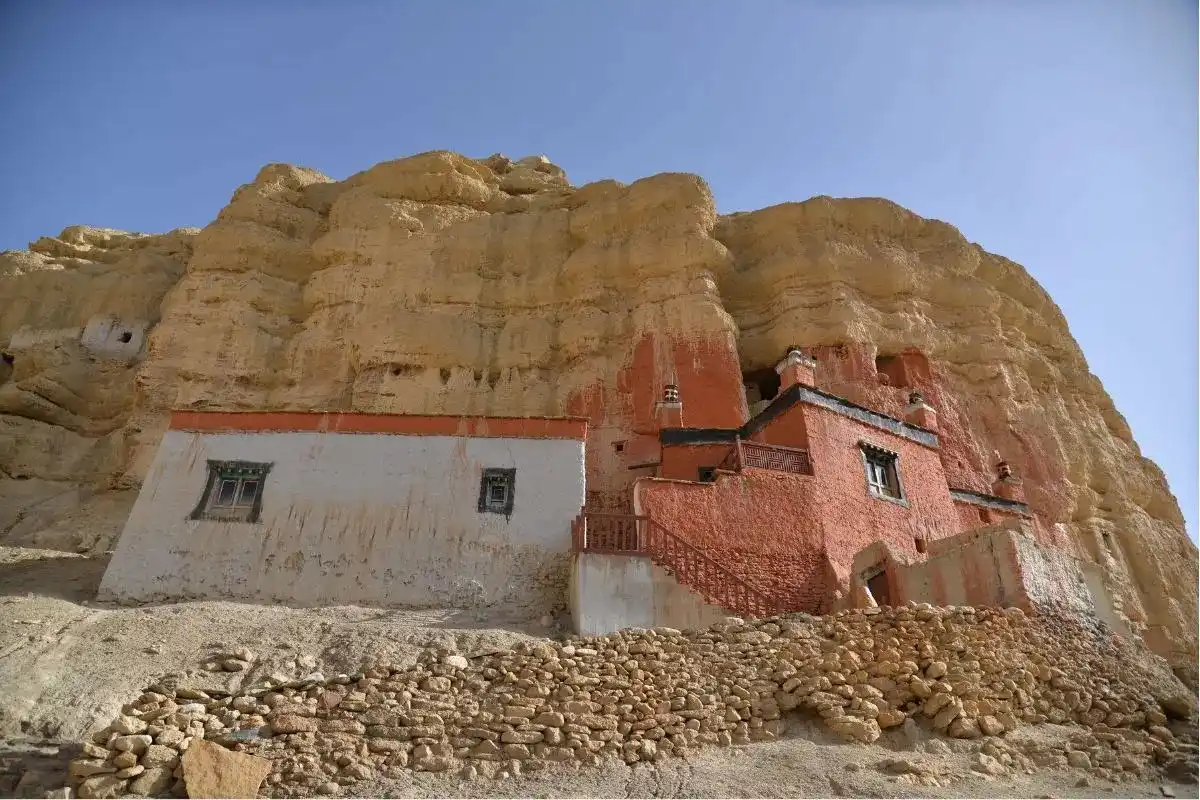
Here is a brief sense of the journey's rhythm. For the complete day-by-day itinerary with accommodation details, acclimatization notes, and booking information, see the full package page.
Day 1: Fly or drive from Pokhara — arrive Jomsom or Kagbeni. First views of the Kali Gandaki canyon and the gateway to the Forbidden Kingdom.
Day 2: Kagbeni to Chele. Enter the Restricted Area at Kagbeni checkpoint. The landscape shifts immediately into a dramatic high desert.
Day 3: Chele to Syangboche. Spectacular canyon ridge walking and the first real altitude gains of the trek.
Day 4: Syangboche to Ghami. Ancient mani walls, wide plateau walking, and extraordinary views of the surrounding peaks.
Day 5: Ghami to Tsarang. Arrive at the clifftop dzong and vivid red monastery. Optional guided monastery visit.
Day 6: Tsarang to Lo Manthang. Arrive at the walled capital of the Forbidden Kingdom. Explore the old city on foot.
Days 7–8: Lo Manthang exploration. Day excursions to Lo Gekar Monastery and the Mustang Caves of Yara and Luri. Guided visits to Thubchen and Jampa Lhakang monasteries. Festival overlaps if timing allows.
Day 9: Lo Manthang to Drakmar. Return route via an alternative trail with different perspectives on the same extraordinary landscape.
Day 10: Drakmar to Ghiling.
Day 11: Ghiling to Kagbeni.
Day 12: Kagbeni to Jomsom. Rest day or jeep to Pokhara depending on logistics and weather.
Days 13–14: Buffer days for flight, debrief, and onward travel.
Why Trek Upper Mustang in Monsoon With Women Adventures?
Women Adventures runs dedicated solo or women-only group departures in June, July, and August for trekking the Upper Mustang. We provide female guides who are attentive, locally connected, and genuinely invested in the quality of your experience. All permits, like RAP and ACAP, are secured before you land in Nepal. Teahouses are vetted for safety, cleanliness, and privacy standards that women-only trekking demands. Emergency support is active throughout every day of the trek, not just as a theoretical backup.
So, for women who want depth over crowds, genuine cultural access over tourist spectacle, and a logistical structure that takes their specific needs seriously from the first planning email to the last teahouse dinner, contact Women Adventures via website contact page or WhatsApp at +977 9841290101 or email at info@womanadventures.com to book the Upper Mustang Trekking package.
Conclusion
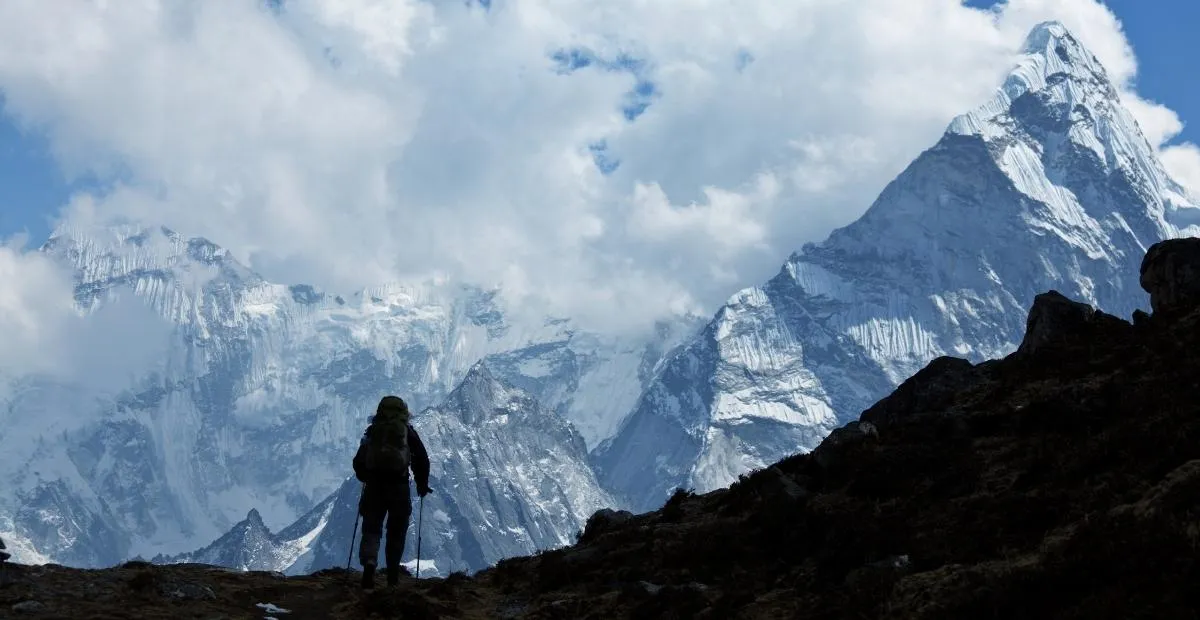
Choosing to trek Upper Mustang in monsoon is not settling for second-best, but it is choosing deliberately and well. It means experiencing the Forbidden Kingdom in its quietest, most open, most authentic form that is dry trails while all of Nepal is wet; cultural festivals that peak-season trekkers never see; teahouse hosts with genuine time for connection; and landscapes that feel earned rather than shared with a thousand others. Therefore, if the walled city of Lo Manthang is calling you, monsoon is not the obstacle; it is the answer.
Plan your Upper Mustang monsoon trek with Women Adventures →
FAQs
Is Upper Mustang Safe for Solo Female Trekkers in Monsoon?
Upper Mustang is safe for solo female trekkers in monsoon when traveling with a registered, women-specialist operator like Women Adventures. The rain shadow keeps trails dry and firm above Kagbeni; teahouses remain fully open throughout the season, and the off-season means quieter trails with more attentive local support. Traveling with a women-only group departure provides an additional layer of security, community, and local access that solo, independent trekking cannot match.
What Is the Best Month for the Upper Mustang Trek in Monsoon Season?
August is the warmest and most culturally festive month, with the Yartung Festival making it exceptional for cultural travelers. July is ideal for wildflowers and cooler temperatures, with the Jeep approach avoiding flight delays. June suits trekkers who prefer cooler conditions, and the Dumji Festival overlaps. All three months offer viable trekking — the best choice depends on your preferred temperature range, festival priorities, and schedule flexibility.
How Much Does the Upper Mustang Permit Cost in 2026?
The Upper Mustang Restricted Area Permit costs USD 50 per day in 2026. Unlike in previous years, when trekkers were required to purchase a minimum 10-day permit, they now pay only for the actual number of days spent in the restricted area. Trekkers also require an ACAP permit, currently NPR 3,000 for foreign nationals. Both permits must be arranged through a registered trekking agency and cannot be obtained independently.
Can Women Trek Upper Mustang Without a Guide?
Trekking Upper Mustang without a registered guide is not permitted—the Restricted Area Permit requires trekkers to be accompanied by a licensed guide from a registered trekking agency. Beyond the legal requirement, a knowledgeable guide dramatically enhances safety, cultural access, and logistical reliability in a remote region where infrastructure is limited and local knowledge is essential, particularly during monsoon season.
What Festivals Happen in Upper Mustang During Monsoon?
Three major festivals fall during the monsoon window: Tiji Festival (late May to early June) — three days of sacred masked Cham dances in Lo Manthang's royal courtyard; Dumji Festival (June–July) — intimate community celebrations in village monasteries dedicated to Guru Rinpoche; and Yartung Festival (August full moon) — traditional horse racing, archery, folk dances, and vibrant ceremonial dress in Lo Manthang and surrounding villages.
How Do I Get to Upper Mustang in Monsoon Season?
The most reliable route in monsoon is a jeep from Pokhara to Kagbeni, approximately 6–7 hours through dramatic river valley scenery. The Pokhara to Jomsom flight takes only 20 minutes but is frequently delayed or cancelled in monsoon due to cloud cover and wind. So, it is better to add buffer days into your Pokhara stay and treat the jeep as your primary transport plan to avoid itinerary disruption.
Does It Actually Rain in Upper Mustang During Monsoon?
Upper Mustang receives very little rain during monsoon—approximately 250 mm annually—because the Annapurna and Dhaulagiri mountain ranges block moisture-laden clouds before they reach the region. Above Kagbeni, trails remain dry and firm throughout June, July, and August. Occasional light showers are possible in August as the monsoon begins to wind down, but sustained or heavy rainfall is genuinely rare above the Kagbeni gateway.
What Should Women Pack for the Upper Mustang Trek in Monsoon?
Essential packing lists for women in Upper Mustang monsoon: a three-layer clothing system (merino base layer, fleece mid-layer, and lightweight waterproof shell); sturdy ankle-support trekking boots; SPF 50+ sunscreen and Category 4 sunglasses for high-altitude UV exposure; and women-specific supplies that are additional menstrual health items, quick-dry base layers for limited wash facilities, hydration discipline and UTI prevention medication, and a lightweight personal safety alarm for solo trail sections.
Can a Single Person Get a Restricted Area/Special Permit Now for the Upper Mustang?
Yes. As of March 22, 2026, Nepal's Department of Immigration removed the two-person minimum rule, so solo trekkers can now obtain the Upper Mustang Restricted Area Permit. A licensed guide and a registered trekking agency are still mandatory — you cannot apply independently or trek without a guide.