
Tabel Of Contents
- What Is a Female Trekking Guide in Nepal?
- Why Choose a Female Trekking Guide in Nepal?
- Female Guide for Solo Female Travelers - Safety, Comfort and Confidence
- The Rise of Female Trekking Guides in Nepal: A Historic Shift
- Agency Guide vs. Independent Guide — The Real Difference
- What Makes a Professional Female Mountain Guide?
- Best Treks to Do with a Female Guide in Nepal
- Cost of Hiring a Female Trekking Guide in Nepal
- How to Find & Hire a Female Trekking Guide in Nepal
- Why Choose Women Adventure for Your Female Trekking Guide in Nepal?
- Our Female Guides — Who They Are
- Conclusion
- Frequently Asked Questions About Female Trekking Guides in Nepal
Nepal's trekking trails have never seen more women on them. Solo female travelers now account for one of the fastest-growing visitor segments in Nepal's tourism landscape, with international women trekkers arriving in record numbers to walk the same iconic Himalayan routes that have drawn adventurers for generations. Yet as the demand grows, so does one very specific question: who will guide me safely through these mountains?
Increasingly, the answer is a female trekking agency that provides female guides and focuses on female-only treks.
At Women Adventure, Nepal's specialist female trekking agency, every female guide on our team is government-licensed, first-aid certified, and deeply experienced across Nepal's most iconic and remote routes. This guide covers everything you need to know like what female trekking guides do, why they matter, what qualifications to look for, how much they cost, and how to hire the right one for your journey.
What Is a Female Trekking Guide in Nepal?
A female trekking guide in Nepal is a government-licensed, professionally trained woman who leads trekkers through Nepal's Himalayan trails, providing navigation, safety management, cultural interpretation, and emergency support. For solo women, families, and mixed groups alike, hiring a licensed female guide transforms a trek from an individual challenge into a deeply connected, culturally rich, and genuinely safe experience.
Roles & Responsibilities of Female Trekking Guide on the Trail
The responsibilities of a licensed female trekking guide in Nepal span far more than pointing out the path ahead. Some of the responsibilities are given below:
- Safety briefing and pre-trek route planning
- Daily pacing and acclimatization to altitude
- Assessment and emergency treatment of altitude sickness
- Cultural interpretation and genuine village introductions
- Teahouse coordination, meal planning and accommodation management
- The emergency evacuation procedure implemented
- Real-time weather monitoring and route adjustments
- Permit management on all agency-led treks
- Support for photography and memory-making on the way
- Environmental Responsibility and Leave No Trace Enforcement
Types of Female Trekking Guides - Know the Difference
Not all female trekking guides in Nepal serve the same function. Understanding the distinctions helps you hire the right person for your specific trek:
| Guide Type | Terrain | Technical Level | Typical Daily Rate | Best For |
| Trekking Guide | Valley & high-altitude trails | Moderate | $30–$45 USD
| EBC, ABC, Langtang, Poon Hill |
| Mountain Guide | Technical peaks (Island, Mera) | High | $40–$85 USD | Peak climbing expeditions |
| Porter-Guide | All terrain (carries load too) | Basic | $20–$35 USD | Budget trekkers |
| Expedition Guide | 8,000m+ peaks | Expert | $150–$300+ USD | Everest, Manaslu summit climbs |
Government Licensing - What It Actually Means
All trekker’s guides in Nepal (male or female) must have a license from Department of Tourism Nepal. This is not a formality. To get this license, you will need to complete a government-approved training course (usually through NATHM, the Nepal Academy of Tourism and Hotel Management); pass a written exam on guiding skills, first aid, environmental law, and tourism regulations; and carry a government-issued photo ID card on every trek. License categories are Trekking Guide, High Altitude Guide, and Expedition Guide, calibrated to the technical demands required for specific routes.
Guiding without a license is illegal in Nepal and a serious risk for trekkers.
Why Choose a Female Trekking Guide in Nepal?
Booking a female trekking guide in Nepal has special advantages for solo women or groups of women, especially for comfort, communication, cultural insight and personal safety. Female guides are trained to the same government standards as male guides and often provide a more personal, deeper trekking experience.
Comfort, Privacy & Personal Connection
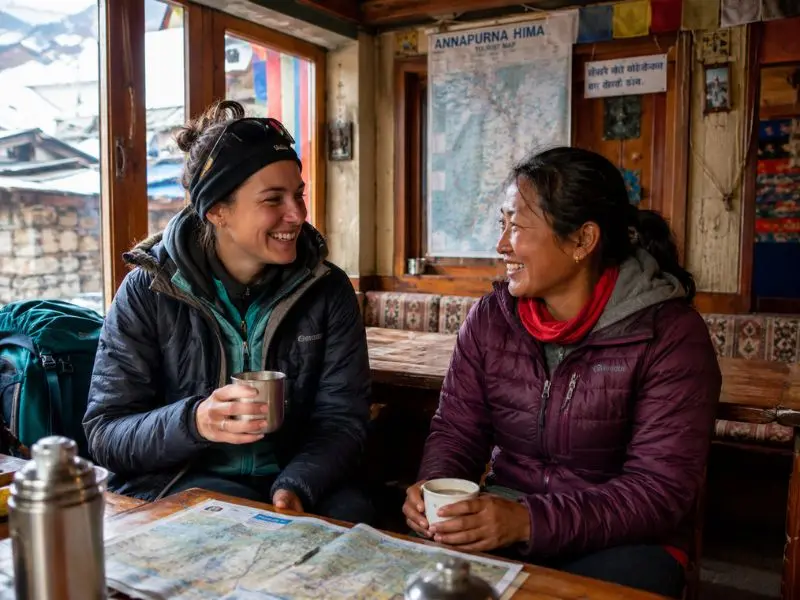
There are conversations that happen naturally between women that just don't happen across gender lines on a remote mountain trail. Women trekking with a female guide are truly comfortable talking about physical issues like managing menstrual health at altitude, hygiene logistics, adjusting pace for personal comfort without embarrassment or hesitation. This openness is of great importance for health and safety. Female trekkers are much more likely to report early altitude sickness symptoms to a female guide than to a male one and that early disclosure window can be lifesaving at 4,500 metres above sea level.
Cultural Understanding & Unique Local Access
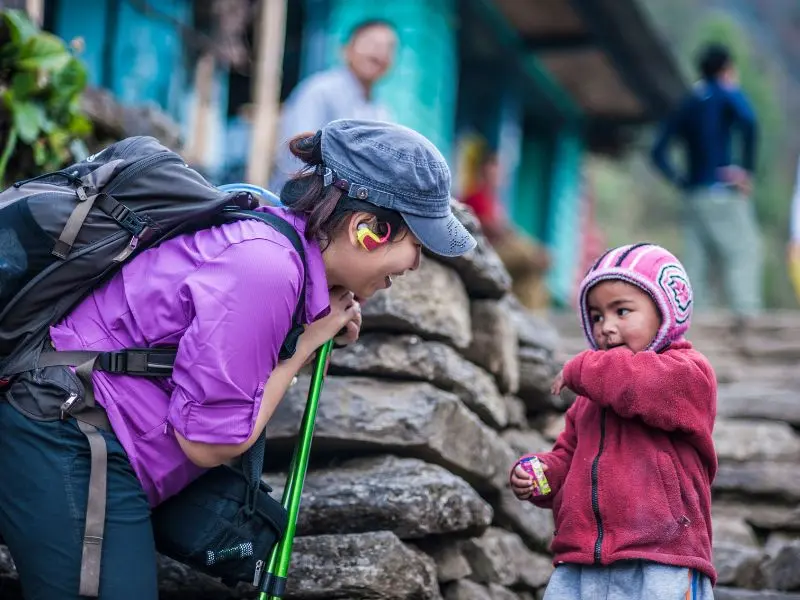
Nepal’s trail villages are often culturally conservative, and female guides walk that terrain with natural ease. She gets into spaces like local kitchens, women’s teahouses, and female cultural programs that male-led groups rarely touch. She arranges peer-to-peer introductions with local women that provide true insight into daily Himalayan life, craft traditions, and cultural customs that no guidebook can capture. For women traveling with as much curiosity as athletic ambition, this depth of cultural access is life-changing.
Safety & Emergency Support
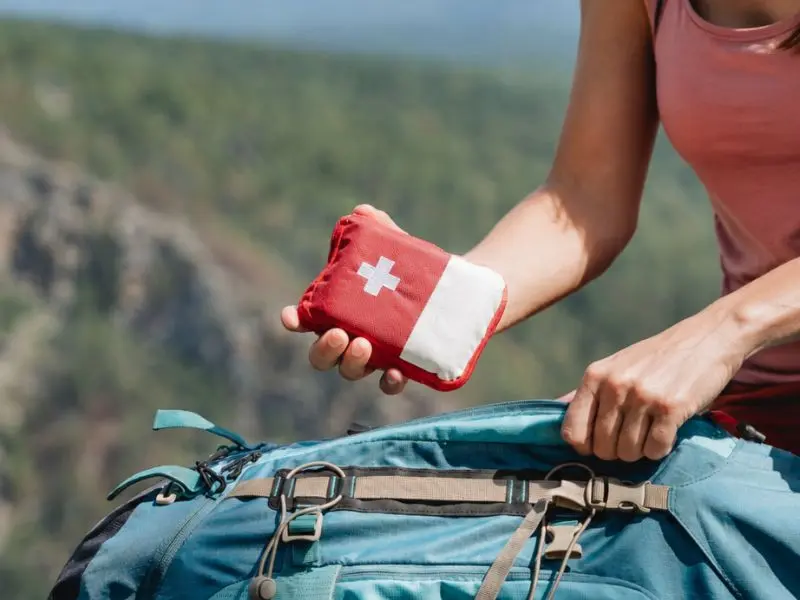
All licensed female guides are wilderness first aid certified and trained to recognize altitude sickness and to coordinate emergency evacuation. In practice, a female guide also speaks up on behalf of solo female trekkers any time they receive unwanted attention at teahouses, checkpoints, or on shared portions of the trail. Everyone you meet on the trail sees female guide as a sign of safety and competence.
Women Empowerment & Social Impact
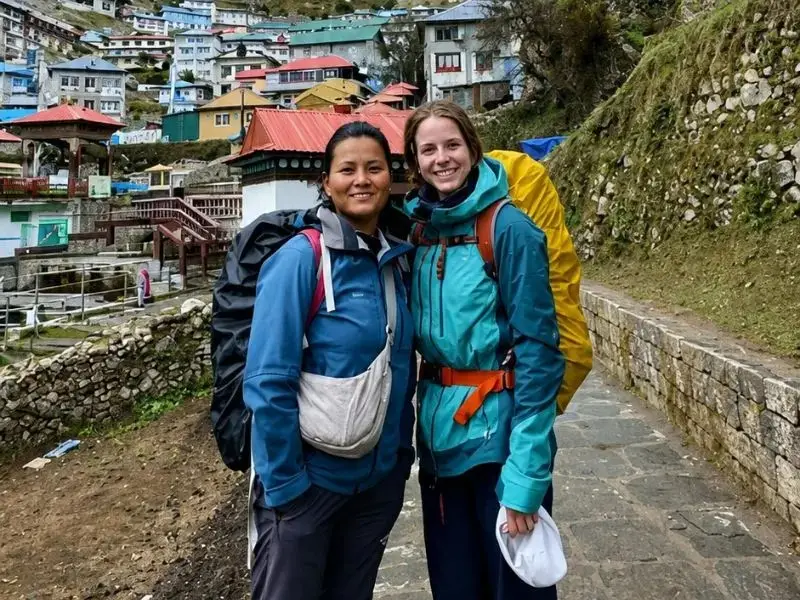
Hiring a female guide is an act of empowerment. In Nepal, female guides are shattering long-standing gender stereotypes in an industry traditionally controlled by men. Every booking directly supports the professional livelihood and economic independence of a Nepali woman, helping Nepal to reach its Sustainable Development Goals on gender equality and decent work. When you trek the Himalayas with Women Adventure, you are not only exploring the Himalayas, but you are also empowering pioneering female guides from Nepal and supporting local communities.
Female Guide for Solo Female Travelers - Safety, Comfort and Confidence
Common Concerns of Solo Female Trekkers in Nepal
These are the real questions that arise when deciding to trek alone as a woman in Nepal. Most women traveling alone come with some version of the same list of concerns, like:
- Remote trail safety
- Harassment or unwanted attention
- Medical emergencies
- Language barriers
- Getting lost or separated
- Cultural misunderstandings
- Altitude sickness
- Isolation and loneliness
How a Female Guide Resolves These Concerns
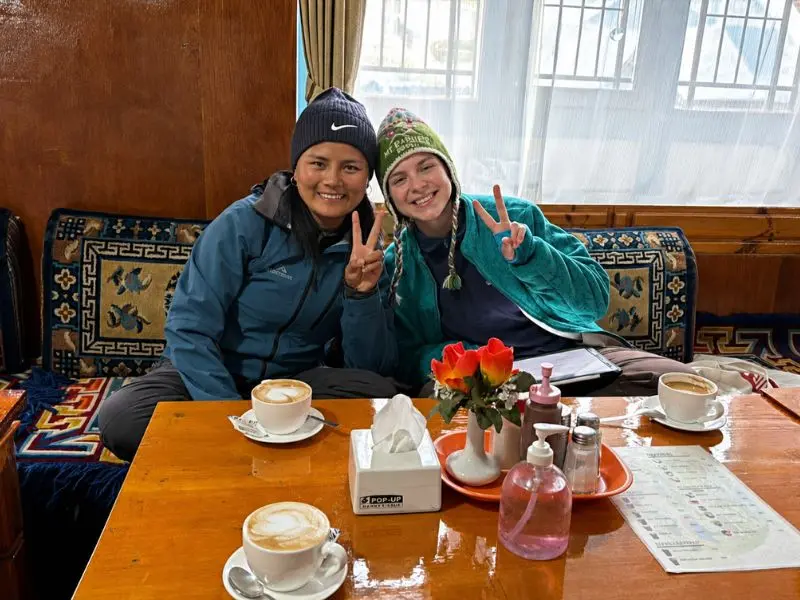
A licensed female guide doesn’t just walk in front of you on the trail; she walks with you, matched to your rhythm of pace, aware of your physical and emotional condition. She handles assertive communication with local men for you, so you never feel exposed or alone in unfamiliar social situations. She knows which teahouses are safe and well-managed for women traveling alone. She’s your cultural translator, your emergency contact, the one who turns a potentially lonely challenge into a shared adventure.
The Rise of Female Trekking Guides in Nepal: A Historic Shift
Nepal's Trekking Industry - A Traditionally Male Domain
The organized trekking industry in Nepal began in the 1960’s and for most of its history guiding was a male only profession. The Sherpa and porter culture, with its deep roots in community tradition and physical demands, created structural barriers that made it nearly impossible for women to enter the field. The first female trekking guides emerged in the 1990s and 2000s, challenging not just the physical requirements but also the social stigma, family resistance and the almost complete lack of training avenues specifically tailored for women.
Government & Industry Initiatives Driving Change
Today, the Nepal Tourism Board (NTB) is running gender inclusion programs throughout the tourism sector. NATHM has increased access to female guide training and TAAN (Trekking Agencies’ Association of Nepal) has been active in promoting increasing female guide registrations. The Nepal Mountaineering Association (NMA) is encouraging women to get into mountain and expedition guiding. Government-sponsored scholarship programs for women in tourism have put a new generation of trained, licensed female guides on the trails of Nepal.
The Global Solo Female Travel Boom - Nepal's Opportunity
The fastest growing demographic worldwide are solo female travelers, according to industry reports from the Adventure Travel Trade Association (ATTA). Nepal, with its iconic landscapes, relatively affordable trekking infrastructure and remarkable cultural depth has always been in the top adventure destinations for solo women. Women Adventure was created to fill this void: to provide international women travelers with licensed, experienced female guides who know what their journey looks like from the inside.
Agency Guide vs. Independent Guide — The Real Difference
| Factor | Agency-Employed Guide | Independently Hired Guide |
| License verification | Agency verifies on your behalf | Trekker must verify independently |
| Insurance coverage | Covered under agency policy | May carry no insurance |
| Accountability | Agency holds accountable | Self-accountable only |
| Backup if guide is ill | Agency provides replacement | No backup available |
| Permit handling | Agency manages all permits | Trekker manages permits |
| Emergency support | 24/7 agency support line | Guide's personal network only |
| Risk level | Significantly lower | Higher |
What Makes a Professional Female Mountain Guide?
Here are some things that any professional female trekking guide in Nepal must have:
- Valid Department of Tourism Nepal License (Trekking or High Altitude depending on trek)
- At least 3 to 5 years of guiding experience on your particular route
- Current WFA first aid certification (check expiry date)
- Excellent verbal and written English communication skills
- Knowledge proven on specific routes
- Verified reviews on TripAdvisor, Google or Trustpilot
- Agency support with 24x7 emergency support
Elite Guide Qualifications - What Sets the Best Apart
The best female guides in Nepal are High Altitude Guide (HAG) certified – a must for high routes such as EBC, Manaslu, Kanchenjunga and the Three Passes. Most have the highest pre-hospital wilderness medical certification, Wilderness First Responder (WFR). Top guides are multilingual (English plus Spanish, French, German or Japanese), know Himalayan flora and fauna like nature guides, and can tell stories in a cultural context, the difference between a trek and a transformation.
Best Treks to Do with a Female Guide in Nepal
There are dozens of trekking routes in Nepal that are suitable for solo women, families and mixed groups. All routes have a female guide with experience, from the iconic Everest Base Camp to the cultural immersion of Upper Mustang but the level of necessity depends on difficulty and remoteness.
Everest Base Camp Trek
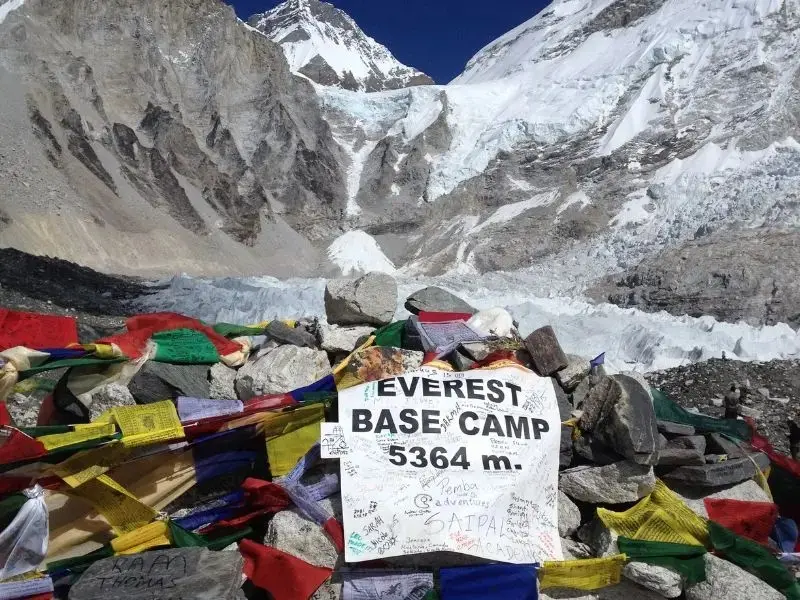
Duration: 12–14 days | Max Altitude: 5,364m | Difficulty: Moderate–Challenging | Best Season: March–May, Sept–Nov
An experienced, HAG-licensed guide is required for the world’s most iconic Everest Base Camp trek. The physical and mental challenges of the Khumbu section, particularly the final ascent via Gorak Shep, make having a supportive female guide a huge asset as well as to explore the sherpa culture in the acclimatization days at Namche Bazaar and Dingboche.
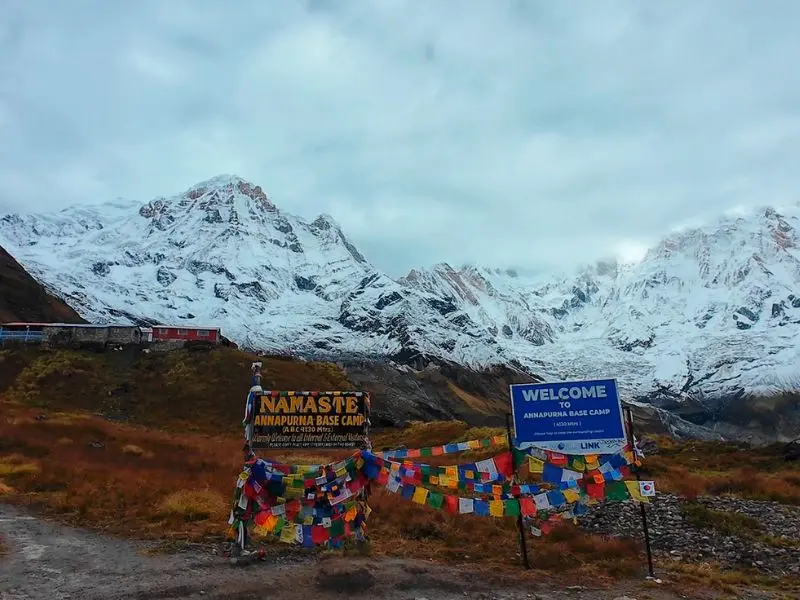
Annapurna Base Camp Trek
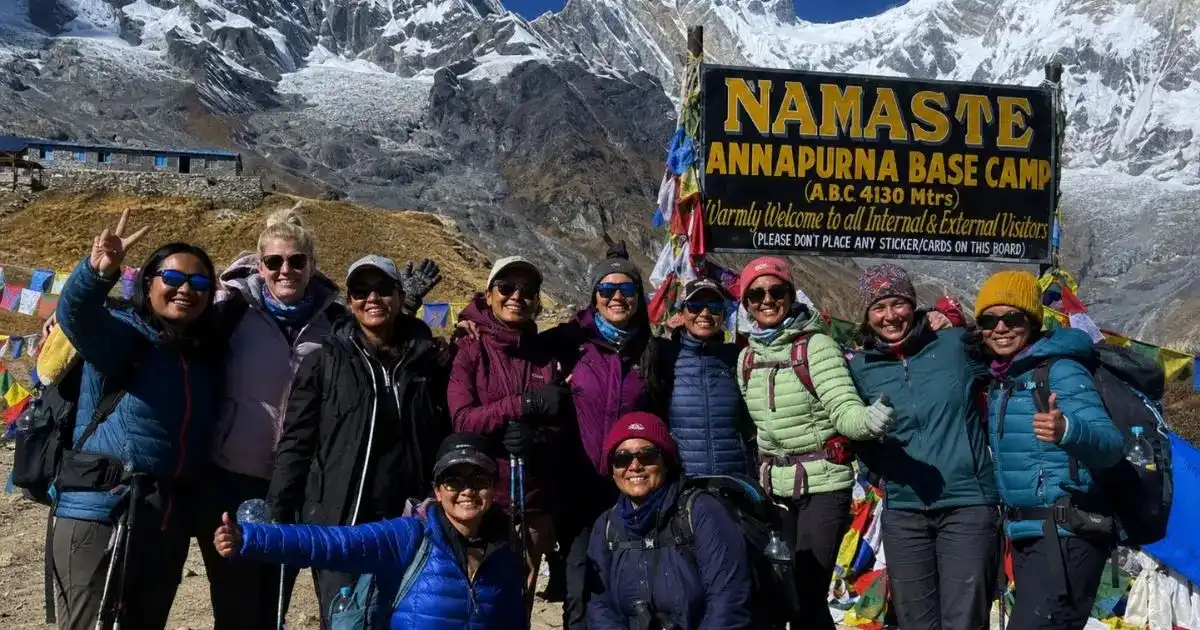
Duration: 7–11 days | Max Altitude: 4,130m | Difficulty: Moderate | Best Season: Oct–Nov, Mar–Apr
The world's most popular solo female trekking destination is Annapurna Base Camp Trek. A female guide adds to the cultural experience in Gurung villages and the experience during the stunning rhododendron bloom of March-April.
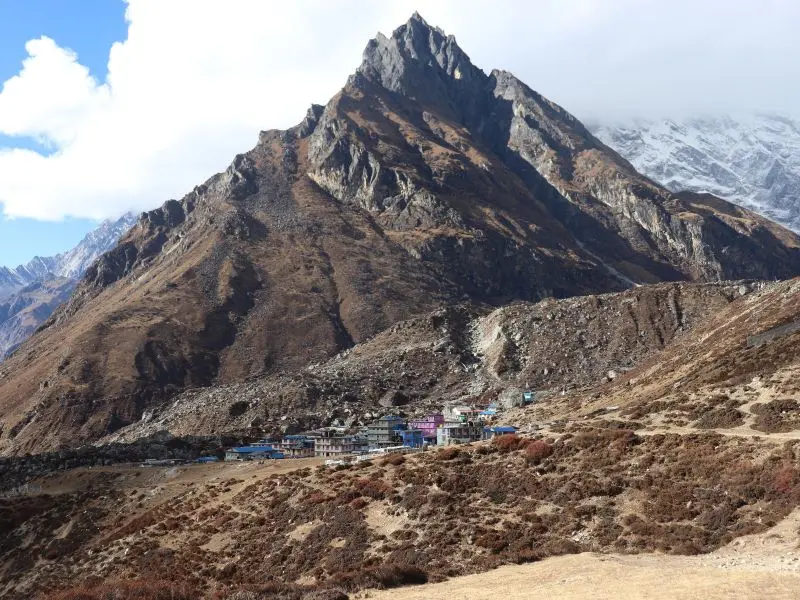
Langtang Valley Trek
Duration: 7–10 days | Max Altitude: 3,870m | Difficulty: Moderate | Best Season: Oct–Nov, Mar–May
Langtang Valley Trek is an undervalued treasure. Female guide with local and cultural knowledge can navigate this trek beautifully as community sensitivity has been particularly important in the post-earthquake reconstruction. Strong Tibetan Buddhist cultural presence rewards curious travelers in this trek.
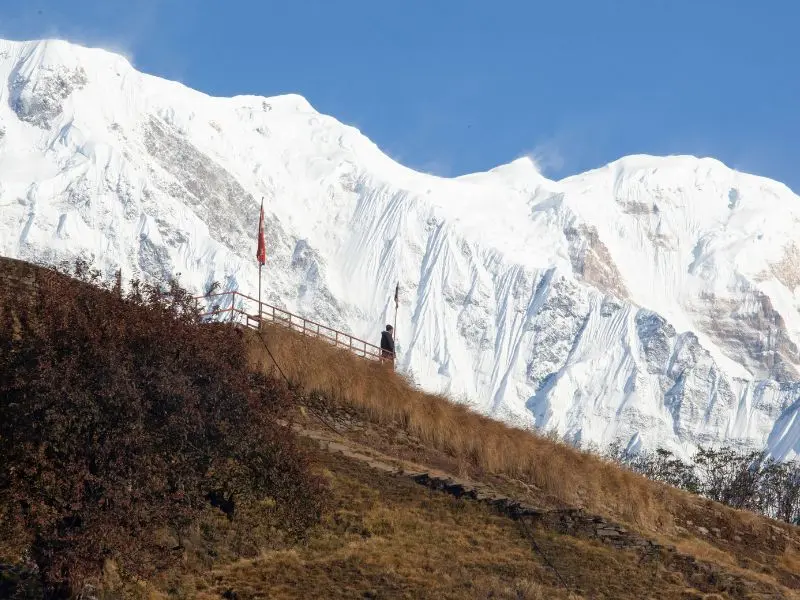
Mardi Himal Trek
Duration: 5–7 days | Max Altitude: 4,500m | Difficulty: Easy–Moderate | Best Season: Oct–Nov, Mar–May
The best entry point trek for solo women and first time Himalayan trekkers is Mardi Himal Trek. Less crowded than ABC or EBC, but with excellent views of Annapurna. Local routes with cultural knowledge are vital in this trek and female guide can make the difference.
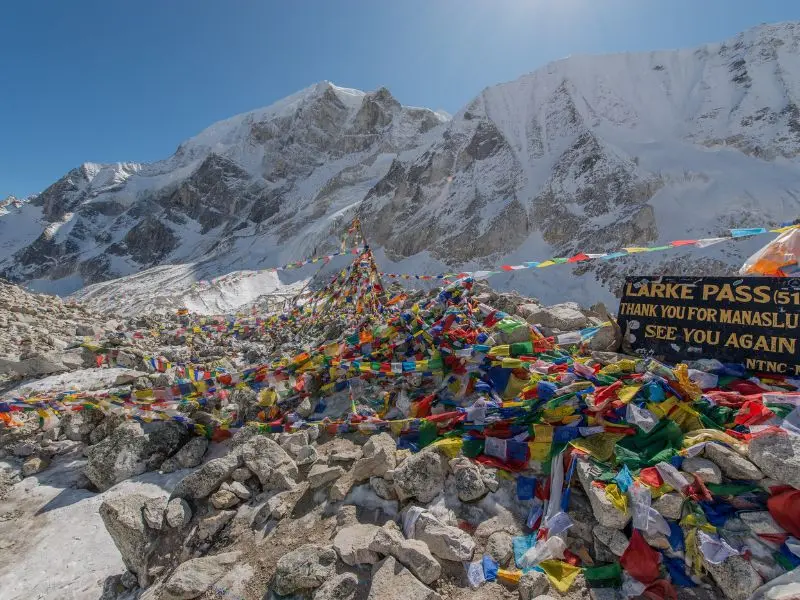
Manaslu Circuit Trek
Duration: 14–18 days | Max Altitude: 5,160m | Difficulty: Challenging | Best Season: Sept–Nov
Manaslu Circuit Trek is a restricted area trekking route. A licensed guide from a registered agency is required by law. The remote crossing at the Larkya La Pass (5,160m) is dangerous because of the altitude and weather. If you are a woman traveling alone and want wilderness without the crowds, this is extraordinary.
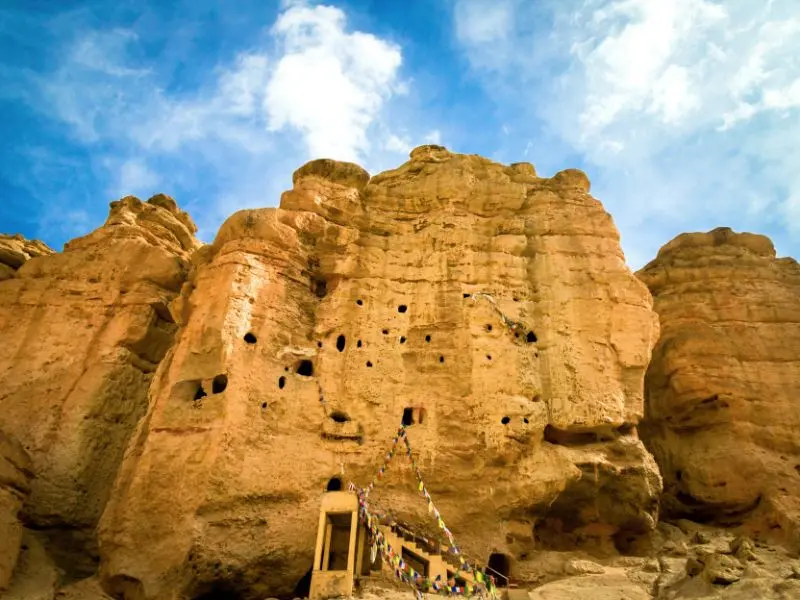
Upper Mustang Trek
Duration: 12–14 days | Max Altitude: 3,840m | Difficulty: Moderate–Challenging | Best Season: May–Oct
Upper Mustang Trek is a guided trek to another restricted area with a licensed agency guide. The ancient kingdom of Mustang in Nepal is one of its finest cultural experiences and is also open in the monsoon when most other routes close, making it uniquely accessible.
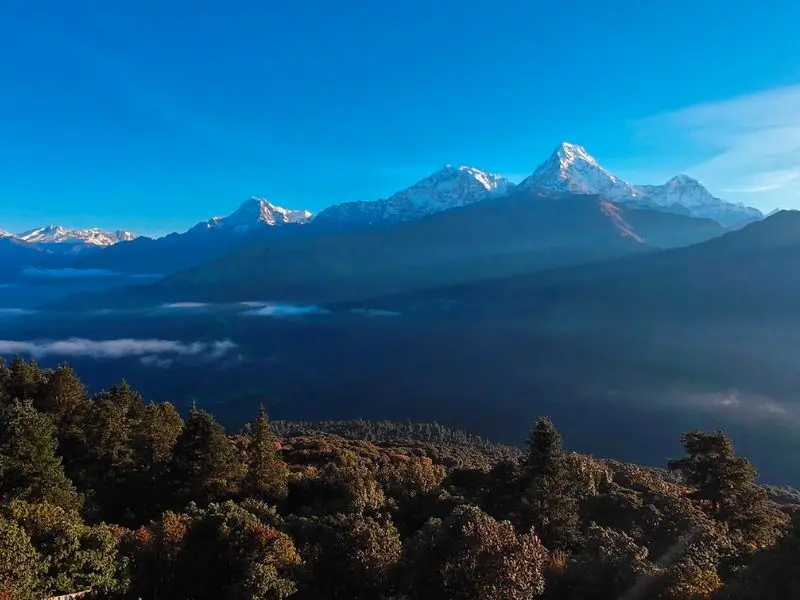
Ghorepani Poon Hill Trek
Duration: 4–5 days | Max Altitude: 3,210m | Difficulty: Easy–Moderate | Best Season: Year-round
The ideal first-time trek for seniors (60+), families and first time visitors to the Himalayas is Ghorepani Poon Hill trek. The predawn hike to the summit of Poon Hill for sunrise is a dark-trail navigation exercise and a female guide ensures this magical experience is also a safe one.
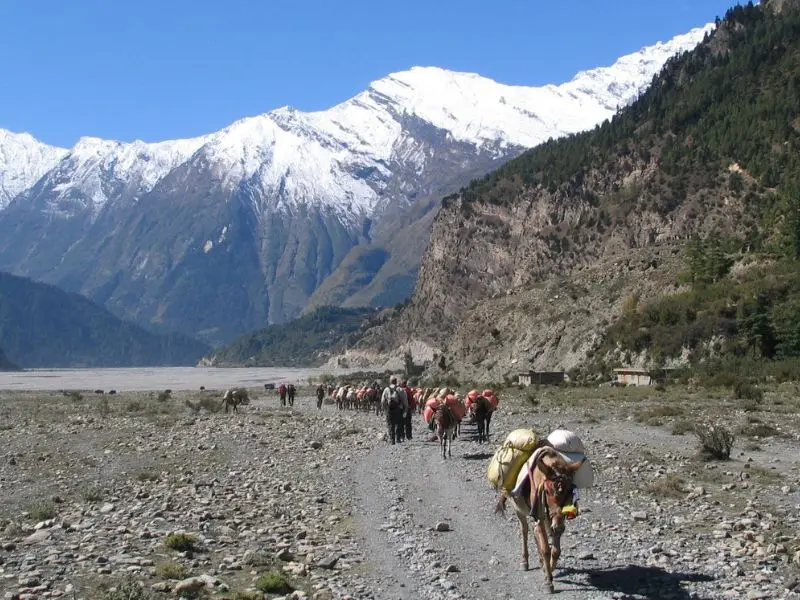
Annapurna Circuit, Everest Three Passes & Kanchenjunga
The Annapurna Circuit, Everest Three Passes & Kanchenjunga treks are for experienced trekkers. Annapurna Circuit (5,416m at Thorong La), Everest Three Passes (5,535m at Kongma La), Kanchenjunga Base Camp (5,143m) - all need highly experienced female guides who are certified by HAG. These are remote, technically demanding routes where a guide’s expertise is non-negotiable.
Cost of Hiring a Female Trekking Guide in Nepal
In Nepal, the daily rate for a licensed female trekking guide usually varies between $25 to $40 USD for regular routes and from $30 to $50+ for treks in high altitude and restricted areas. Compared to the alternatives, a licensed guide is the most cost-effective safety investment in the Himalayas, especially versus the $5,000 to $15,000 cost of a helicopter rescue without insurance.
Daily Rates of Female Trekking Guide in Nepal - What to Expect in 2026
| Guide Type | Daily Rate (USD) | Notes |
| Standard trekking guide | $25–$40 | EBC, ABC, Langtang, Poon Hill |
| High altitude guide (HAG) | $30–$50+ | Manaslu, Three Passes, Kanchenjunga |
| Porter-guide (combined) | $25–$35 | Budget option; limited guiding depth |
| Expedition guide | $150–$300+ | 8,000m peaks, summit climbs |
What's Included (and What Isn't) in the Cost of Female Trekking Guide Fee
Typically included in the guide fee (agency booking):
- Guide's accommodation throughout the trek
- Guide's daily meals and transportation to/from trailhead
- Guide's trekking permit costs (TIMS, park fees — for the guide only)
- Agency coordination and pre-trek briefing
Typically not included (trekker's own costs):
- Trekker's teahouse accommodation and meals
- Trekker's TIMS card, National Park, and Conservation Area permit fees
- Helicopter rescue insurance (~$100–$200 USD — strongly recommended)
- Porter fees and tips
Tipping Etiquette
For a female guide in Nepal, a normal tip is $5-$15 USD per day, given privately at the end of the trek. Porter tips are extra (~$3-$8/day). In addition to a tip, a verified Google or TripAdvisor review is one of the most meaningful ways a trekker can add to their guide’s professional reputation.
Tipping your female guide is not just a thank you, but it’s an investment in her professional development and financial independence. Even a small tip makes a big difference to a local guide’s income.
How to Find & Hire a Female Trekking Guide in Nepal
Step-by-Step Hiring Process
- Pick your route, duration, season, dates, and trek first.
- Research TAAN registered agencies. Start with TAAN directory (taan.org.np)
- Get 2-3 agency quotes. Compare the itinerary, facilities not just price
- Request guide credentials like license number, first aid certification, list of experience
- Verify the guide’s Government license in Department of Tourism Nepal portal
- Read reviews from verified clients from TripAdvisor, Google, Trustpilot
- Pre-trek video call for communication style and chemistry confirmation
- Complete the itinerary and permits. Put all the permits that you need in here
- Make sure the payment terms and cancellation policy are in writing.
- Reserve with a deposit, normally 20-30% Ask for a receipt
Key Questions to Ask Before Hiring
- How many times have you done this particular trek?
- Have you dealt with altitude sickness emergencies? “Tell me one of them.”
- What is your emergency evacuation plan?
- Do you have a satellite phone or an emergency communication device?
- Can you provide me with 2-3 client references on the same route?
- Are all permits included in the price of this trek?
Red Flags — When to Walk Away
No verifiable license. Pricing far below the market range. Reluctance to provide references. Expired or absent first aid certification. Vague emergency protocols. No agency backing. Any communication that makes you feel unheard or dismissed. Trust your instincts because a good guide welcomes every one of these questions.
Why Choose Women Adventure for Your Female Trekking Guide in Nepal?
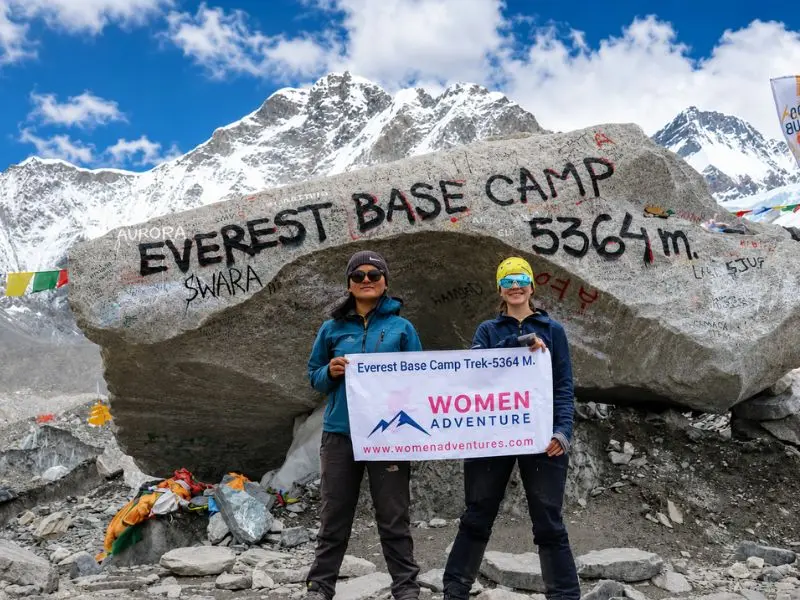
Women Adventure isn't a subsidiary of a bigger agency who decided to add women-specific services as an afterthought. Nepal’s specialist female trekking agency, created from scratch on the principle that women deserve guides who really know their way around.
Each Women Adventure guide holds a valid license from the Department of Tourism Nepal, carries current first aid certification and has years of route-specific experience in Nepal’s major and off-beat trekking areas. Women-only departure dates are available alongside private and group options, so every women traveler can find the right fit. There is an emergency support line 24/7 for every trek.
Our Female Guides — Who They Are
The women who lead for Women Adventure are not only technically trained, but they are also passionate, experienced and deeply committed to creating a safe, meaningful and unforgettable Himalayan experience for every trekker.
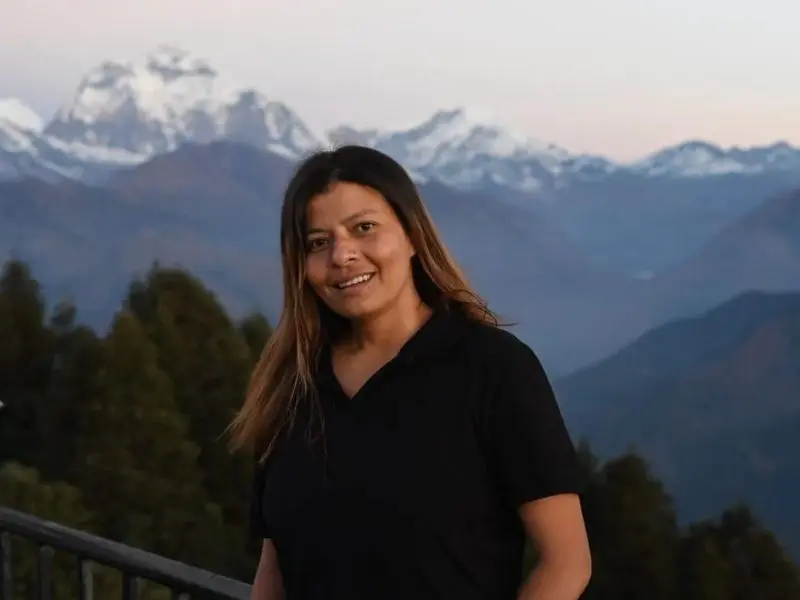
Menuka Rokka - Tour & Trekking Guide
Menuka brings academic and hands-on depth to every trek she leads. A graduate in Travel and Tourism, she has an extensive knowledge of Nepal’s diverse cultures, traditions and trekking destinations that runs much deeper than the surface-level knowledge. Her warm, inviting personality makes her a perennial favorite among international travelers. She seamlessly blends adventure with cultural learning, whether navigating the high Himalayas or guiding through Nepal’s historic cities.
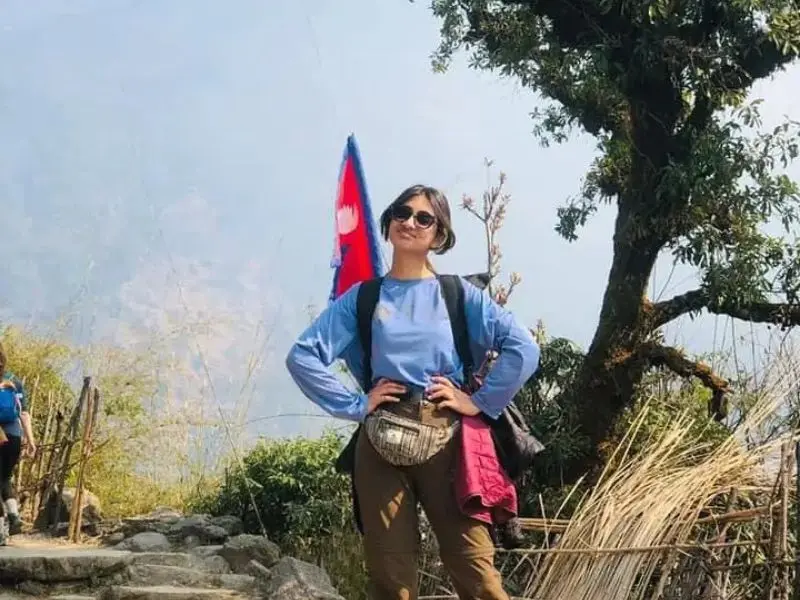
Divya Dulal – Trekking Guide
Divya is in the last stages of her Bachelor’s degree in Travel and Tourism Management and brings academic rigor and a passion for trekking to every trek she guides. During the trekking season she actively combines her studies with professional guiding, and the result is a guide who is translating the theoretical knowledge into meaningful trail experiences. Travelers of all levels of prior knowledge always comment on how she makes Nepal’s rich cultural heritage accessible and fun.
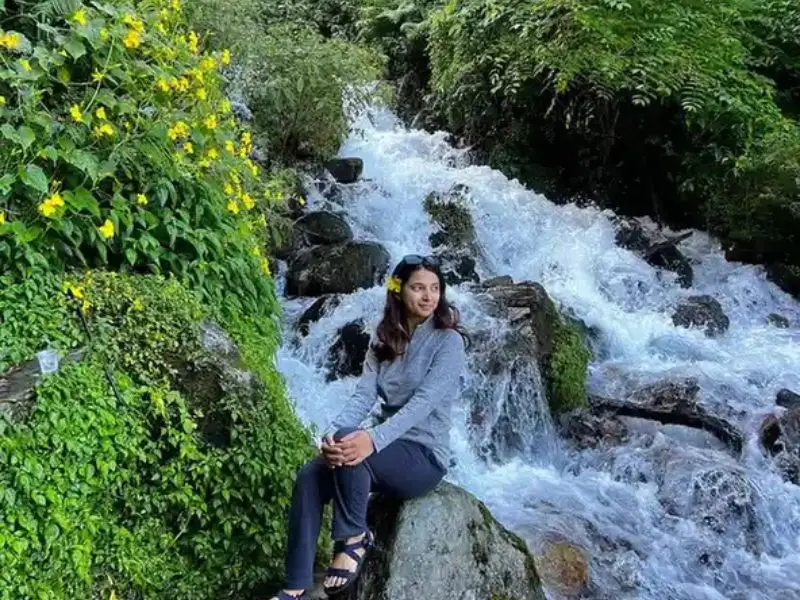
Aabha Subedi - Trek Guide
Aabha was born and brought up in Kathmandu. She has trekked most of the famous and off-beat trekking routes of Nepal. She brings that hard-won experience to every journey she leads. She really goes above and beyond to ensure her guests feel safe and happy and truly cared for. Her patience, warmth, and attention to detail have earned her the deep appreciation of countless travelers over the years. Her guests often leave Nepal not only content but with the feeling that they have acquired a lifelong friend. Aabha also has a storyteller’s eye for the trail capturing Nepal’s landscapes and culture through photography and video that inspires others to experience its beauty first hand.
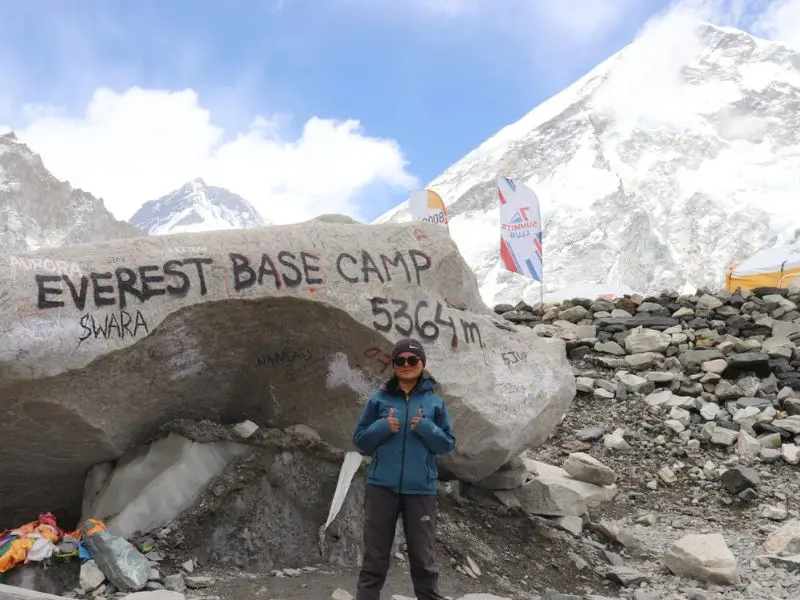
Kunjang Sherpa - Trekking Guide
Kunjang was born within view of Mount Everest and has been guiding trekkers through the Himalayas for many years with passion, knowledge and a contagious warmth that turns every journey into a celebration. Trekkers remember her friendly, cheerful personality long after they get home. They remember how she turned even the most demanding trail into a joyful experience. Whether you are crossing high mountain passes or swapping stories around the fire of a teahouse, Kunjang provides a family atmosphere.
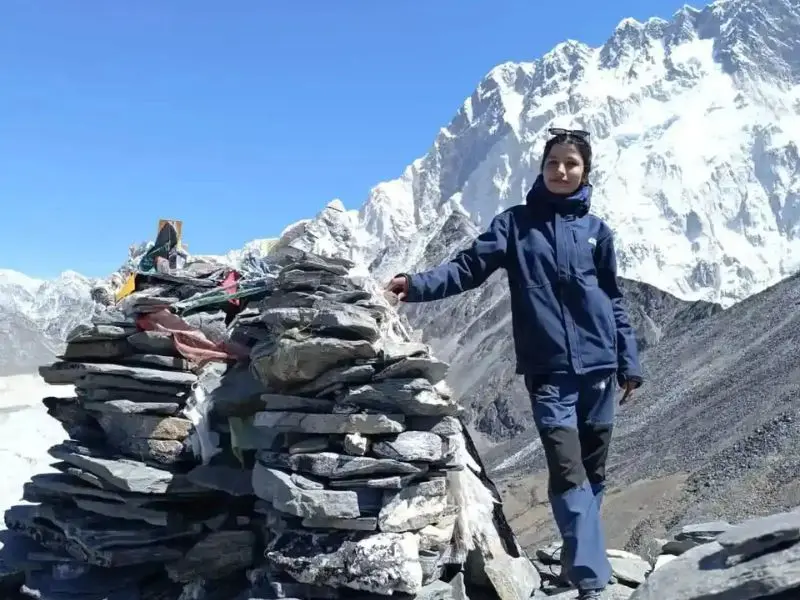
Samikshya – Trekking guide
Samikshya has been a professional guide for over four years and has excellent communication skills, calm confidence and the kind of deep cultural insight that only comes from truly belonging to the landscape she guides through. She leads with heart and purpose, and trekkers who have hiked with her multiple times say she’s an essential, empowering presence on the trail.
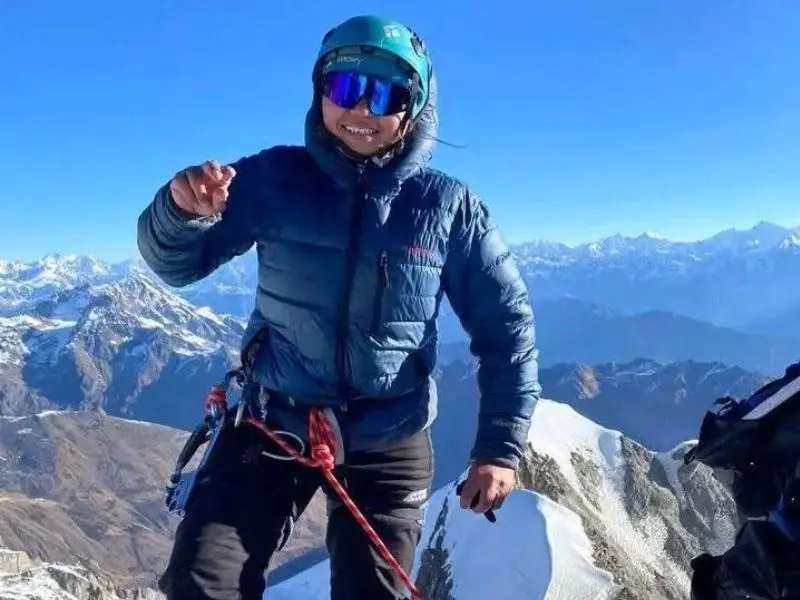
Sangita Tamang - Mountain Guide
Sangita’s guiding career is a natural progression from her lifelong passion for travel and discovery. Her warm smile, friendly disposition and genuine concern for each traveler create an immediate atmosphere of comfort and trust, no matter where her guests hail from in the world. She’s been doing this for years and is exceptionally good at reading what a trekker needs and delivering it quietly and effectively. Her love for travel, her kind and dedicated spirit, turns every trip into a memory that lasts.
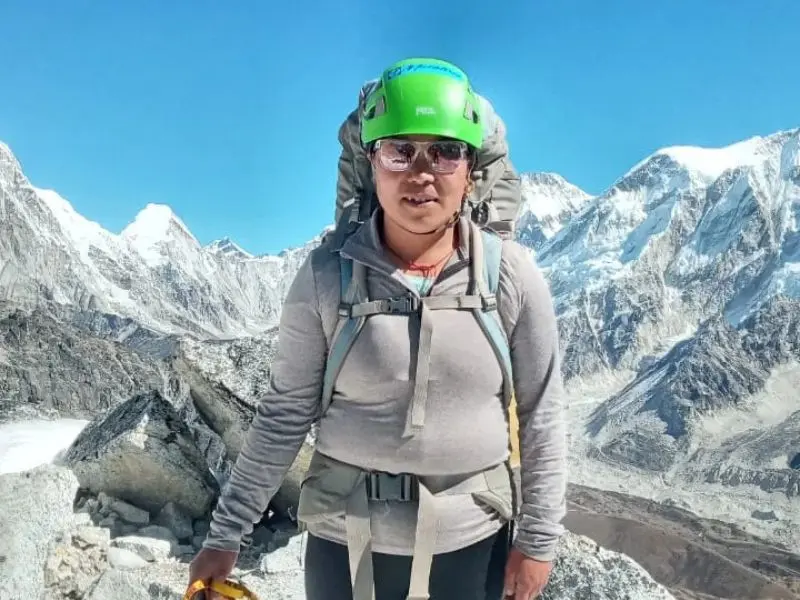
Pasang Sherpa — Trekking Guide
Pasang is a graduate in Travel and Tourism and has a mix of professional training and extensive practical experience in trekking areas, cultural sites and natural attractions across Nepal. She creates a welcoming environment for travelers from every corner of the world, with a friendly manner, safety and cultural immersion, and her consummate professionalism. Whether you are trekking in the high mountains or taking a cultural tour to Nepal’s ancient cities, Pasang provides authentic and unforgettable experiences that are off the beaten track.
Conclusion
Trekking the mountains of Nepal have forever been transformative. But your experience of trekking – the safety you feel, the culture you access, the confidence you carry depends hugely on who is walking next to you.
A licensed female trekking guide brings technical competence, cultural depth, personal warmth and a shared understanding of what it means to travel through these mountains as a woman. Hiring female trekking guide is the greatest investment you can make for a safe, meaningful and truly yours Himalayan journey.
Begin your Himalayan adventure with a guide who knows you. Meet our female guides and book your trek with Women Adventure.
Frequently Asked Questions About Female Trekking Guides in Nepal
Licensing & Credentials
Q1: Are Female Trekking Guides in Nepal Government-Licensed?
Yes. In Nepal, all professional female trekking guides are required to be licensed by the Department of Tourism Nepal. To be able to get this license, you must take a government-approved training course and pass a formal exam on guiding skills, first aid, and environmental responsibility. All treks must be accompanied by a government-licensed guide who carries his government ID card.
Q2: How Do I Verify a Female Guide’s License in Nepal?
You can check the license of a trekking guide on the Department of Tourism Nepal portal. Check the TAAN registered agency directory at taan.org.np for the full name and license number of your guide before booking.
Q3: What Certifications Should a Professional Female Guide Have?
Minimum Requirements: Department of Tourism Nepal Trekking Guide License, valid Wilderness First Aid (WFA) certificate. For high altitude routes (EBC, Manaslu, Three Passes) a High Altitude Guide (HAG) license is preferred. The best guides may also be Wilderness First Responders (WFR) or hold a WAFA certification.
Q4: What Is the Difference Between a Trekking Guide License and a High-Altitude Guide License in Nepal?
A standard Trekking Guide licence is valid for most of the main routes up to about 5,000m. A High-Altitude Guide (HAG) license requires additional government training and is required or strongly recommended for technically demanding high-altitude routes such as Everest Base Camp, Manaslu Circuit, Three Passes and Kanchenjunga.
Safety
Q5: Is It Safe to Trek in Nepal With a Female Guide?
It's very safe to trek in Nepal with a licensed female guide. Government licensed guides are certified in first aid, understand altitude sickness management, and are trained in emergency evacuation procedures. For solo female travelers, a female guide also provides an additional level of personal safety and assertive communication along the trail.
Q6: How Do Female Guides Handle Altitude Sickness Emergencies?
Licensed female guides are trained to recognise early signs of AMS (Acute Mountain Sickness) and the life-threatening conditions of HACE and HAPE. Their routine protocol is to stop ascent at the first major symptoms, provide basic supportive treatment, and begin descent if symptoms progress, which is the definitive treatment for altitude illness.
Q7: What Emergency Equipment Does a Professional Female Guide Carry?
A licensed female guide's first aid kit typically includes altitude-specific medications (to manage symptoms), wound care supplies, blister treatment, pulse oximeter for blood oxygen monitoring, and a list of emergency contacts with helicopter rescue company numbers. Gamow bags are also carried by senior guides on some high altitude routes.
Q8: What Happens If I Get Injured on the Trail With My Guide?
Your guide will give first aid right away and assess the seriousness. For non-emergency injuries, they will change the itinerary and escort you to the closest medical post. In the unfortunate event that you suffer serious injuries requiring evacuation, a licensed guide will arrange for helicopter rescue. This is why travel insurance including helicopter evacuation cover (usually USD100-200 policy) is essential before trekking in Nepal.
Cost & Booking
Q9: How Much Does a Female Trekking Guide Cost in Nepal?
In Nepal a licensed female trekking guide will generally charge $30-$55 USD per day for the regular routes and $55-$100+ USD per day for high altitude or restricted areas that require special knowledge. This fee usually covers the guide's lodging, food and transportation to and from the trailhead, but does not include trekker's permits, food or lodging.
Q10: What Is the Standard Tip for a Female Trekking Guide in Nepal?
The average tip for a trekking guide in Nepal is $5-15 USD per day, normally given at the end of the trek in an envelope. Tipping is not compulsory, but it is culturally important and makes a real difference to your guide’s income. Porters are tipped individually at $3-8 USD per day.
Q11: How Far in Advance Should I Book a Female Trekking Guide?
Book 2–3 months ahead for peak season treks (October–November, March–May) to secure your preferred dates and an experienced guide. 4-6 weeks is normally enough time for off-season trekking, but booking in advance is always advised for trekking in restricted areas (Manaslu, Upper Mustang) where permit quotas apply.
Q12: Is Hiring Through an Agency More Expensive Than Hiring a Guide Independently?
The fees charged by agencies typically run 15-30% higher than if you hire on your own, but that money buys license verification, insurance, permit management, 24/7 emergency support and guide replacement if your assigned guide falls ill. For most travelers, especially solo women, the added accountability and safety net is well worth the marginal cost difference.
Treks & Difficulty
Q13: Which Treks Are Best for Solo Female Travelers With a Female Guide?
Best treks for solo female travelers: Annapurna Base Camp (moderate, cultural), Ghorepani Poon Hill (great for beginners), Langtang Valley (less crowded, authentic culture), Mardi Himal (quick and beautiful) and Everest Base Camp (iconic, with good planning). Women Adventure has women-only departure dates on several of these routes.
Q14: Can Beginners Trek Everest Base Camp With a Female Guide?
Yes, but with the right planning. Rated moderate to challenging, the EBC reaches 5,364m. No technical climbing but strong fitness, good acclimatization, and an experienced guide are essential. A female High-Altitude Guide (HAG) certified guide offers a high level of safety on this route for first-time high altitude trekkers.
Q15: Is a Female Guide Required for Manaslu Circuit or Upper Mustang?
Yes, by law of the government of Nepal, both the Manaslu Circuit and Upper Mustang are restricted area treks and require a licensed guide from a government registered trekking agency. Solo trekking is not allowed in these areas. It could be a female guide from a registered agency such as Women Adventure.
Solo Female Travelers
Q16: Can I Trek Alone in Nepal as a Woman?
It is legally allowed to go without a guide and trek solo on most (non-restricted) routes but has higher risk. Most experienced solo female travelers highly recommend hiring a female guide, especially if it’s your first time in Nepal. You will be accompanied throughout by a licensed female guide providing navigation, cultural support, emergency response and real companionship.
Q17: Can a Single Female Traveler Book a Private Trek With a Female Guide?
Sure. Most agencies, including Women Adventure, offer fully private treks for women traveling solo — your own guide, your own itinerary, your own pace. Private treks: This is the most intimate and personal experience and is often the choice for solo women who wish to have the benefits of a guide but not be in a group.
Groups & Special Travelers
Q18: Can Couples Hire a Female Trekking Guide?
Sure. For couples, a female guide is a great choice, especially if the female partner would prefer a female presence on the trail. The guide’s communication style and cultural knowledge benefits both partners and many couples find the experience more enriching with a local female expert sharing stories, culture and knowledge that a male guide might not be able to provide. But Women Adventure only offers trekking packages exclusively for women.
Q19: Can Families With Children Trek With a Female Guide?
Yes. Female guides are especially good for family treks because they often know how to pace themselves for children, know the safest parts of the trail for kids, and are trained to keep younger trekkers motivated and engaged. The most popular family-friendly routes are Ghorepani Poon Hill and Langtang Valley. But Women Adventure only offers professionally guided trekking experiences designed specifically for women.
Q20: Can Mixed-Gender Groups Hire a Female Guide?
Yes. Mixed-gender groups can hire a female guide. But Women Adventure does not offer trekking services for mixed-gender groups. We specialize exclusively in women-only trekking adventures led by experienced female guides. Our mission is to provide a safe, supportive, and empowering environment where women can explore Nepal's mountains with confidence and comfort.
Q21: Are There Women-Only Group Departure Dates Available?
Yes. Women Adventure has established women-only group departure dates for most popular trips throughout the year. These departures are intended for solo female travelers who want the company of a small group, but don’t want to book a private departure. Contact Women Adventure for the current women only departure calendar.
Practical Questions
Q22: Do Nepal’s Female Trekking Guides Speak English?
English is the standard working language for Nepal's trekking guides, and all licensed guides are required to have functional English communication skills. Many experienced guides particularly those employed by established agencies speak excellent English.
Q23: Can I Request a Female Guide Who Speaks French, German, or Another Language?
Some experienced female guides speak French, German, Spanish, or Japanese in addition to English and Nepali. Request a specific language preference when enquiring a trek, but the trekking agency can often match requests for major languages with sufficient advance booking.
Q24: Is a Female Guide Also a Porter?
Not by default. A guide's role is navigation, safety, and cultural support. A porter's role is carrying gear. Some trekkers hire a "porter-guide" — a single person performing both functions which is a lower-cost option, but the dual role can compromise depth in both functions. For most treks, hiring a dedicated guide and (if needed) a separate porter is recommended.
Q25: What’s the Best Season to Trek in Nepal With a Female Guide?
October–November is Nepal's peak trekking season as these months offer the clearest skies, best mountain views, and ideal temperatures. March–May is the second peak season with rhododendrons in bloom. Both seasons see the highest demand for female guides, so advance booking is essential. Some routes (Upper Mustang, Annapurna Circuit via Jomsom) are actually better in the summer monsoon months.