
Tabel Of Contents
- Why Go on a Wildlife Jungle Safari in Nepal?
- Top National Parks for Wildlife Jungle Safari in Nepal
- Wildlife You Can Expect to See
- Best Time for Jungle Safari in Nepal
- Types of Jungle Safari Experiences
- Packing Essentials for a Jungle Safari in Nepal
- Responsible Travel & Conservation Awareness
- Why Women Travelers Love Jungle Safaris with Women Adventure?
- Final Words
- FAQs About Wildlife Jungle Safari in Nepal for Women
A wildlife jungle safari in Nepal is one of those rare trips that makes you feel both wild and very grounded. You could wake up to the sound of birds calling over misty rivers, see a one-horned rhino grazing in the golden grasslands, or see a Royal Bengal tiger moving silently through the Sal forest. For women travelers, this trip isn't just about checking animals off a list; it's about going into the wild heart of the Himalayas in a way that feels safe, supported, and empowering.
Nepal's national parks and wildlife reserves have a wide range of environments, from subtropical jungles and wetlands to high-altitude alpine valleys. There are rhinos, elephants, tigers, crocodiles, and more than 800 bird species living in carefully protected ecosystems here. Your jungle safari in Nepal will be fully guided, thoughtfully designed for women, and based on more than 20 years of experience in the Himalayas with Women Adventure, a trekking and travel company owned and run by women for women.
This full guide tells you everything you need to know about the best wildlife jungle safaris in Nepal. It covers the best national parks, the different types of safaris available, the best times of year to go, what to bring, how to travel responsibly, and why Adventure Women and many other travelers from around the world are choosing Nepal for their next big wild adventure.
Jungle Safari
Why Go on a Wildlife Jungle Safari in Nepal?
The first thing you notice when you enter the jungle is the sound. The leaves are rustling. The sound of birds chirping fills the air. A river makes a distant splash in the air. The air is filled with the soft creak of an animal moving just out of sight. In every direction, the forest feels alive here.
A wildlife jungle safari in Nepal is special for three big reasons:
- Unmatched biodiversity: Nepal is known for Everest, but its jungles are just as beautiful. Nepal is home to a wide range of animals, including tigers, rhinos, elephants, gharials, deer, monkeys, and a huge number of birds.
- Conservation and culture side by side: You don't just go to national parks in Nepal; you also meet the people who live near them and protect them. For example, you can meet Tharu villagers in Chitwan and Bardiya, highland Sherpa communities in Sagarmatha, and Tibetan-influenced cultures around Shey Phoksundo.
- Safe, curated experiences for women: A female-led company runs a jungle safari tour in Nepal that gives you a satisfying mix of adventure, safety, and comfort. Women who travel alone or in groups of women can feel safe while exploring with trained guides, approved places to stay, and itineraries that focus on women.
A wildlife safari in Nepal is the perfect mix of fun, learning, and emotional connection for women who love nature, want to learn, and want to have an adventure that matters.
Top National Parks for Wildlife Jungle Safari in Nepal
Think of Nepal's parks as different sides of the same wild spirit. Some are wet and lush with tall grasslands, while others are cold and rough with mountains and glaciers. Together, they offer some of the best jungle safaris in Nepal for women who want to have options, variety, and depth.
Here are the best national parks and wildlife reserves in Nepal for women who want to go on adventures:
- Chitwan National Park is a classic jungle experience that is excellent for people who have never been there before.
- Bardiya National Park is wild, off the beaten path, and full of tigers.
- Koshi Tappu Wildlife Reserve is a bird and wetland paradise.
- Parsa National Park is an underrated gem with quiet, deep forests.
- Shuklaphanta National Park has grasslands, swamp deer, and quiet safaris.
- Sagarmatha National Park has wildlife that lives at high altitudes and views of Mount Everest.
- Shey Phoksundo National Park: Alpine wilderness and spiritual landscapes
Nepal is home to many famous places, such as Langtang National Park, Shivapuri National Park Nepal, and Phoksundo National Park (within Shey Phoksundo). However, the parks listed below are the best places to go for a focused wildlife safari in Nepal.
Chitwan National Park Jungle Safari
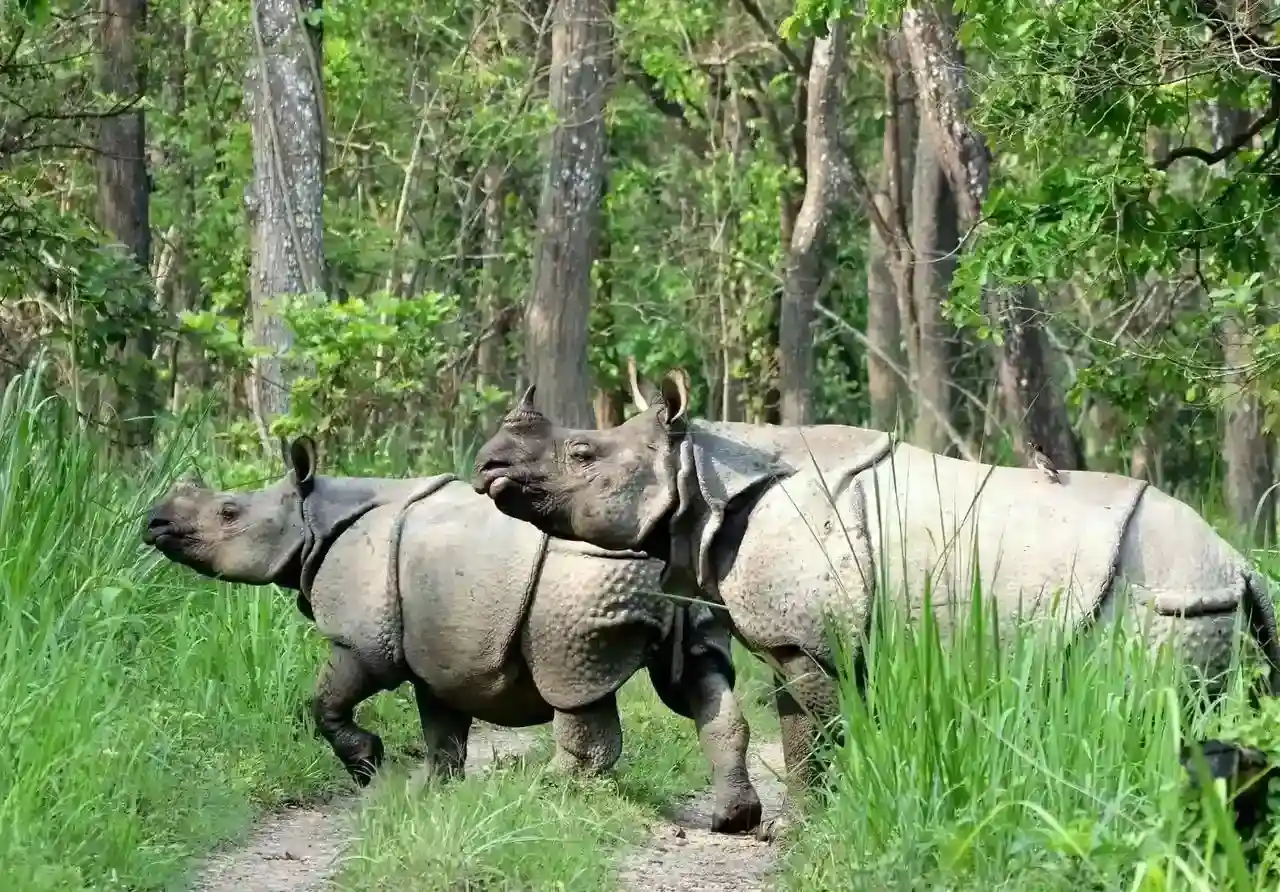
When people talk about jungle safaris in Nepal, the name Chitwan National Park always comes up. It is a UNESCO World Heritage Site and has thick forests, riverine landscapes, grasslands, and some of the best places in the country to see wildlife.
Here, you can encounter:
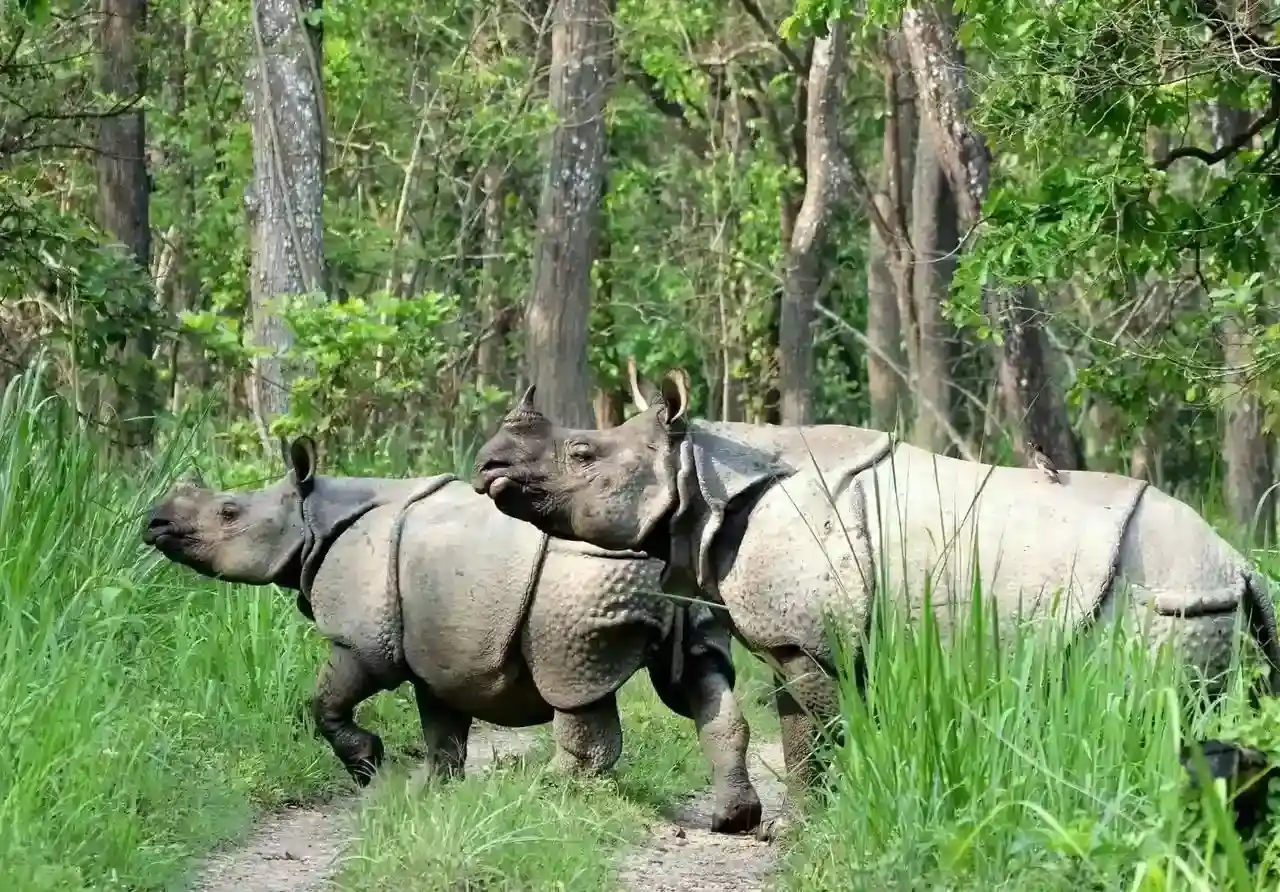
- One-horned rhinoceros
- Royal Bengal tigers (with some luck)
- Asian elephants
- Sloth bears
- Spotted and sambar deer
- Gharial and mugger crocodiles
- Hundreds of bird species
The Chitwan National Park jungle safari is great for women travelers because it has a good mix of comfortable lodges, good infrastructure, guided tours, and the lively Tharu culture. You can have fun without giving up safety or basic comfort.
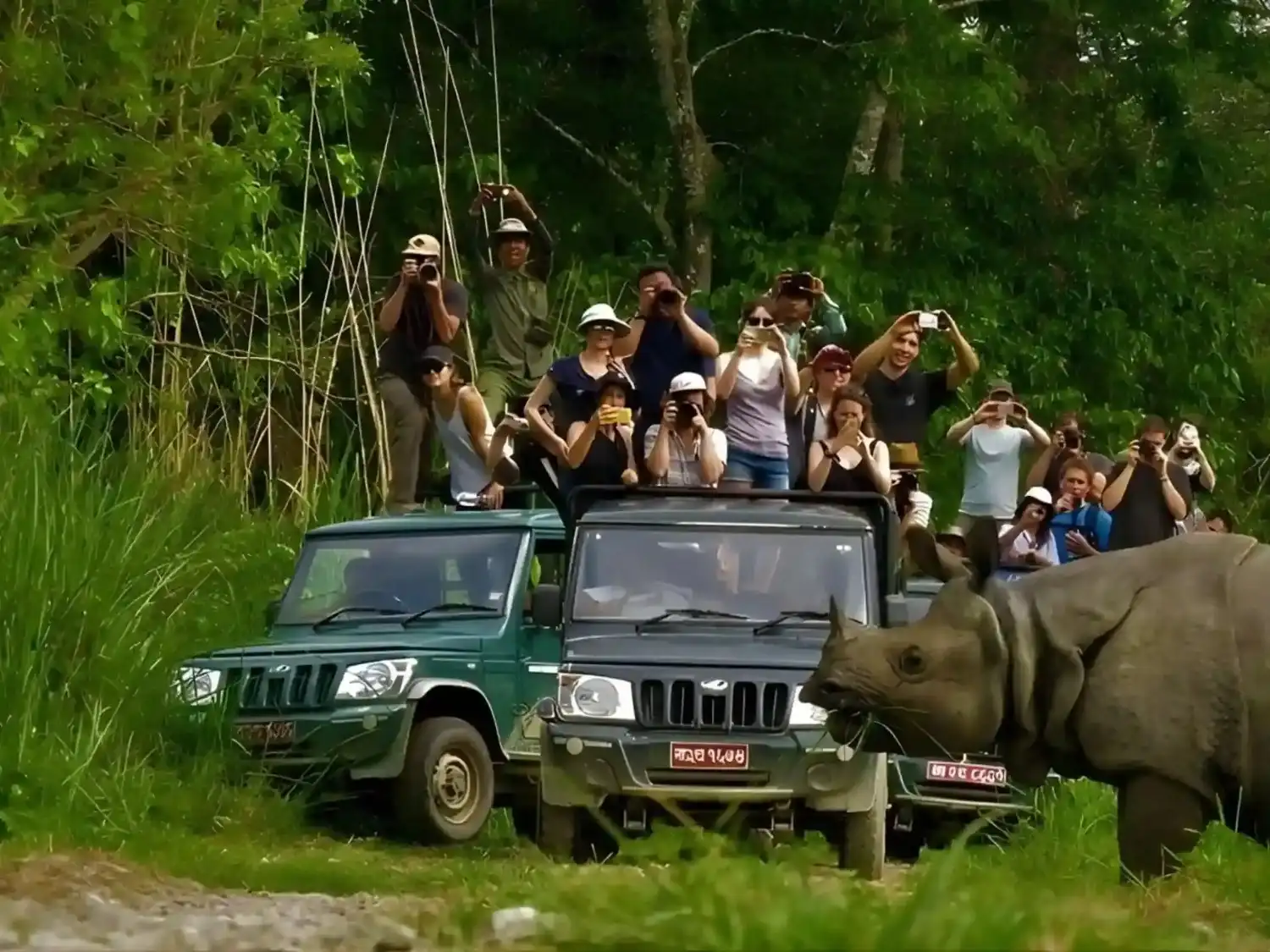
Safaris in the Park
You can choose from several activities for single women or small groups of women during a jungle safari in Chitwan National Park:
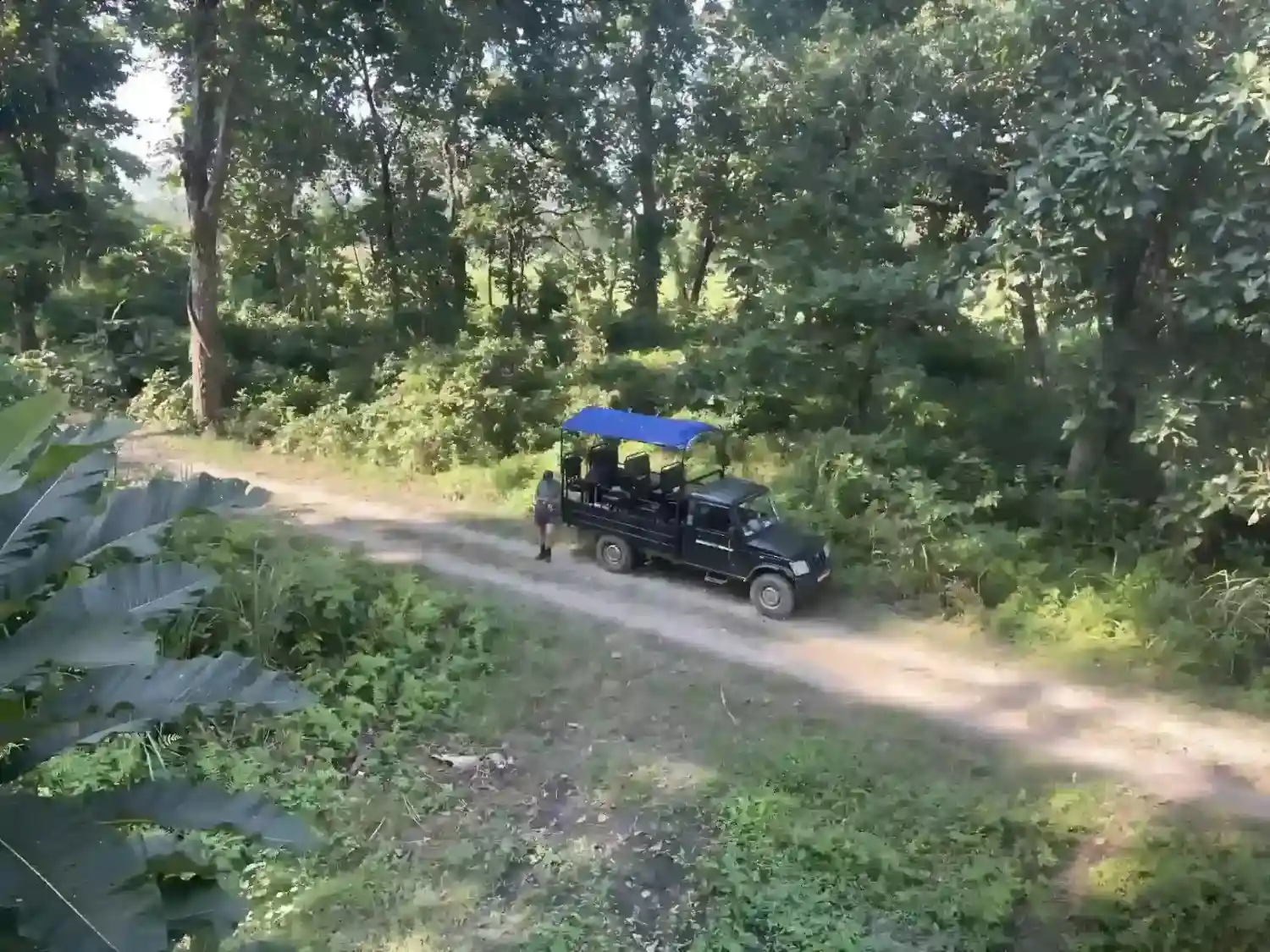
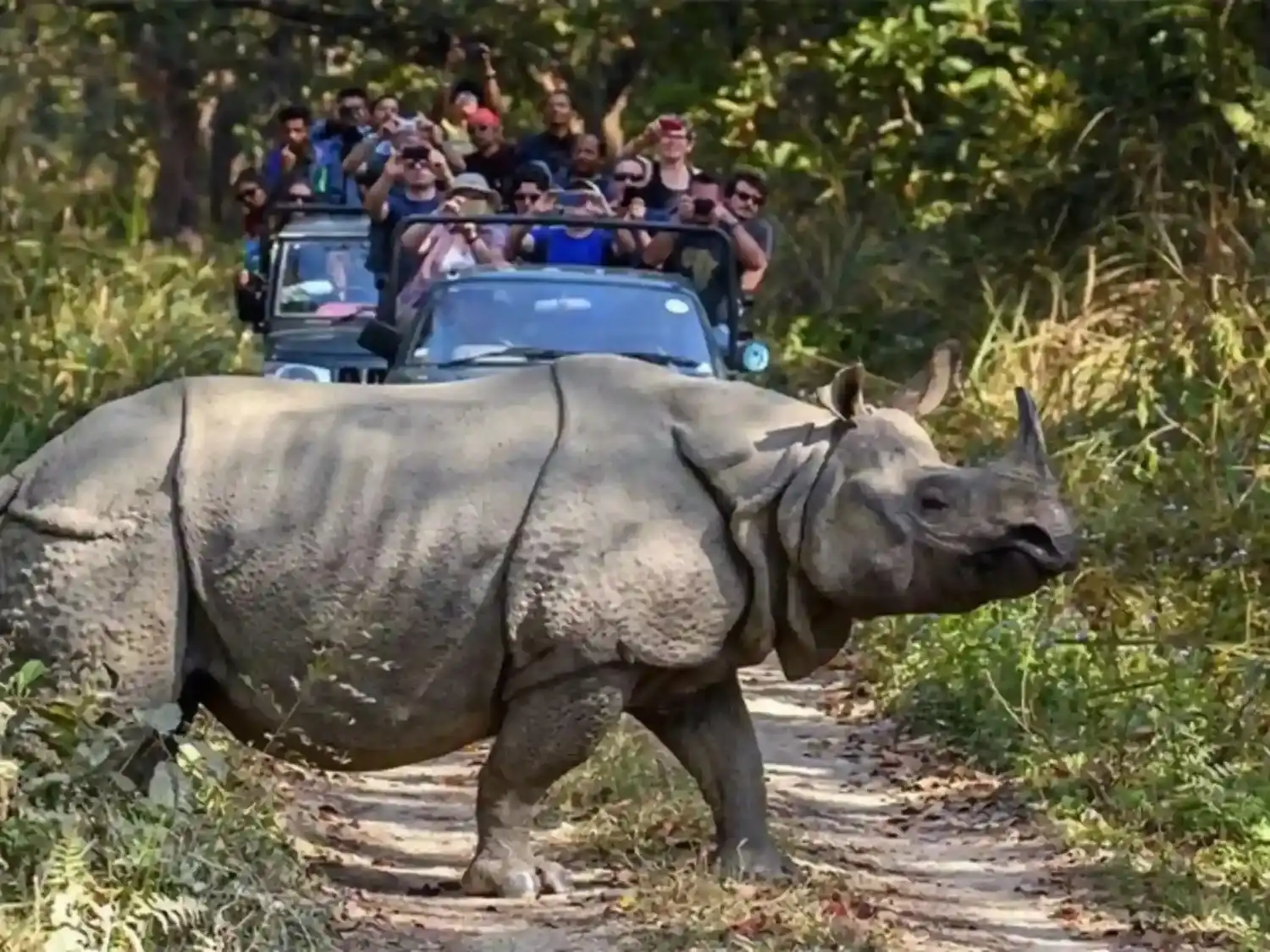
- Jeep Safari in Chitwan National Park: Open-top jeeps take you into the park's main areas, where you have the best chance of seeing rhinos, deer, and (if you're lucky) tigers. This is the most popular jeep safari in Nepal.
- Elephant Safari in Nepal: The traditional Chitwan elephant safari has been a part of tourism for a long time, but many eco-friendly travelers now prefer to see, feed, or walk with elephants instead of riding them.
- Canoeing on the Rapti or Narayani Rivers is a calm way to see crocodiles sunbathing and birds eating along the banks.
- Guided Jungle Walks: This is ideal for women who want a slower, more immersive Chitwan wildlife safari. You'll be with experienced guides and naturalists who can read signs, sounds, and footprints.
- Birdwatching: Chitwan National Park is a birdwatcher's paradise, with more than 500 species living there. The best times to go are at sunrise and sunset.
You can adjust each safari to your energy and comfort levels, so you never feel overwhelmed.
Best Time to Visit Chitwan National Park
The dry season is usually the best time for a jungle safari in Nepal, and Chitwan is no different:
- October–March is the best time of year to see wildlife because the weather is cooler, the skies are clear, and you can see well.
- April–May: It's hotter, but still worth it, as animals gather near water sources.
- May–July (Off-season): There are fewer tourists, the jungle is greener, but the humidity is higher and it rains occasionally. If you want quieter trails and don't mind the heat, it can be enjoyable.
The weather in Chitwan National Park changes with the monsoon, but if you plan ahead, you can enjoy the park almost all year.
Bardiya National Park Safari
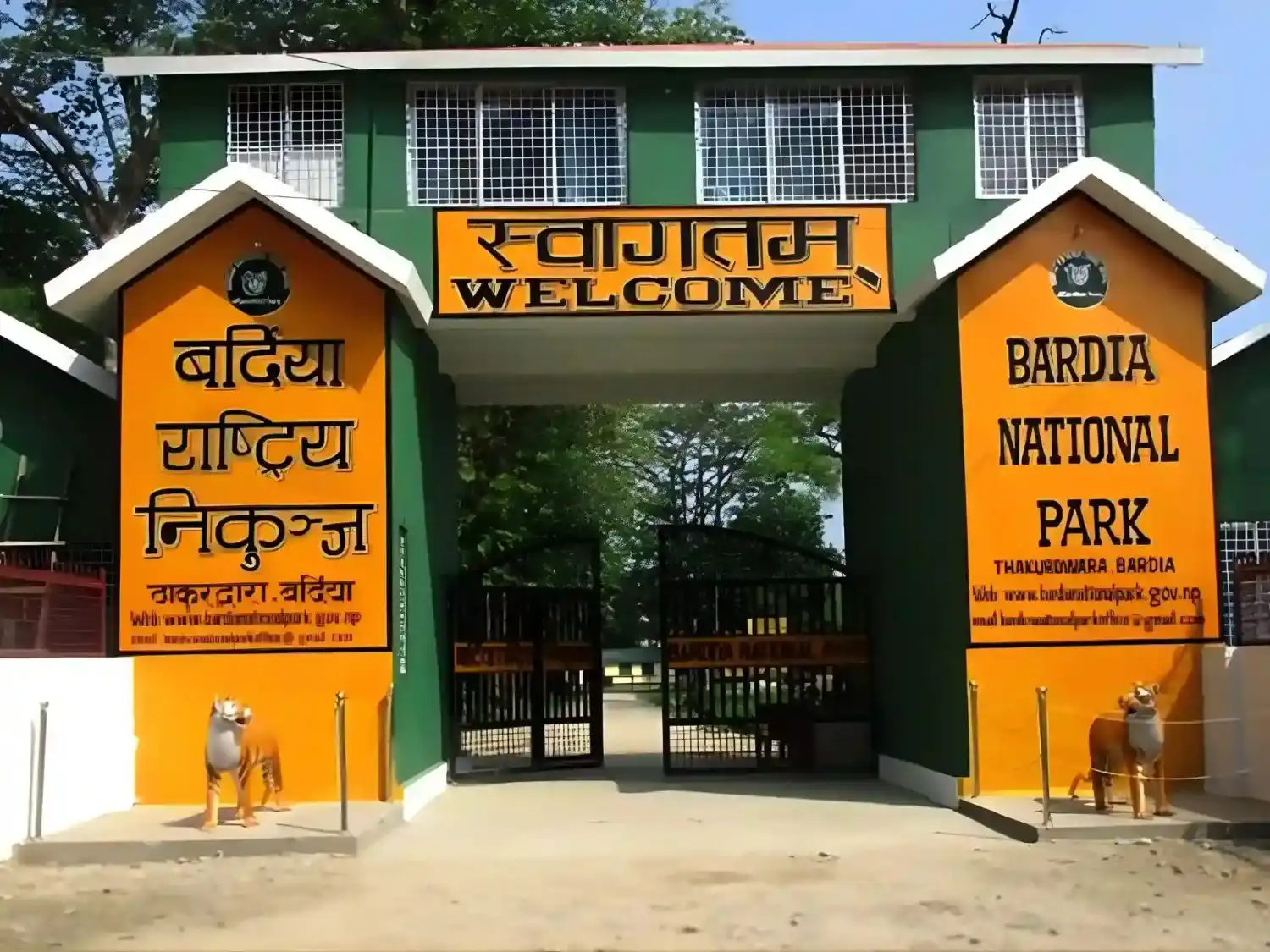
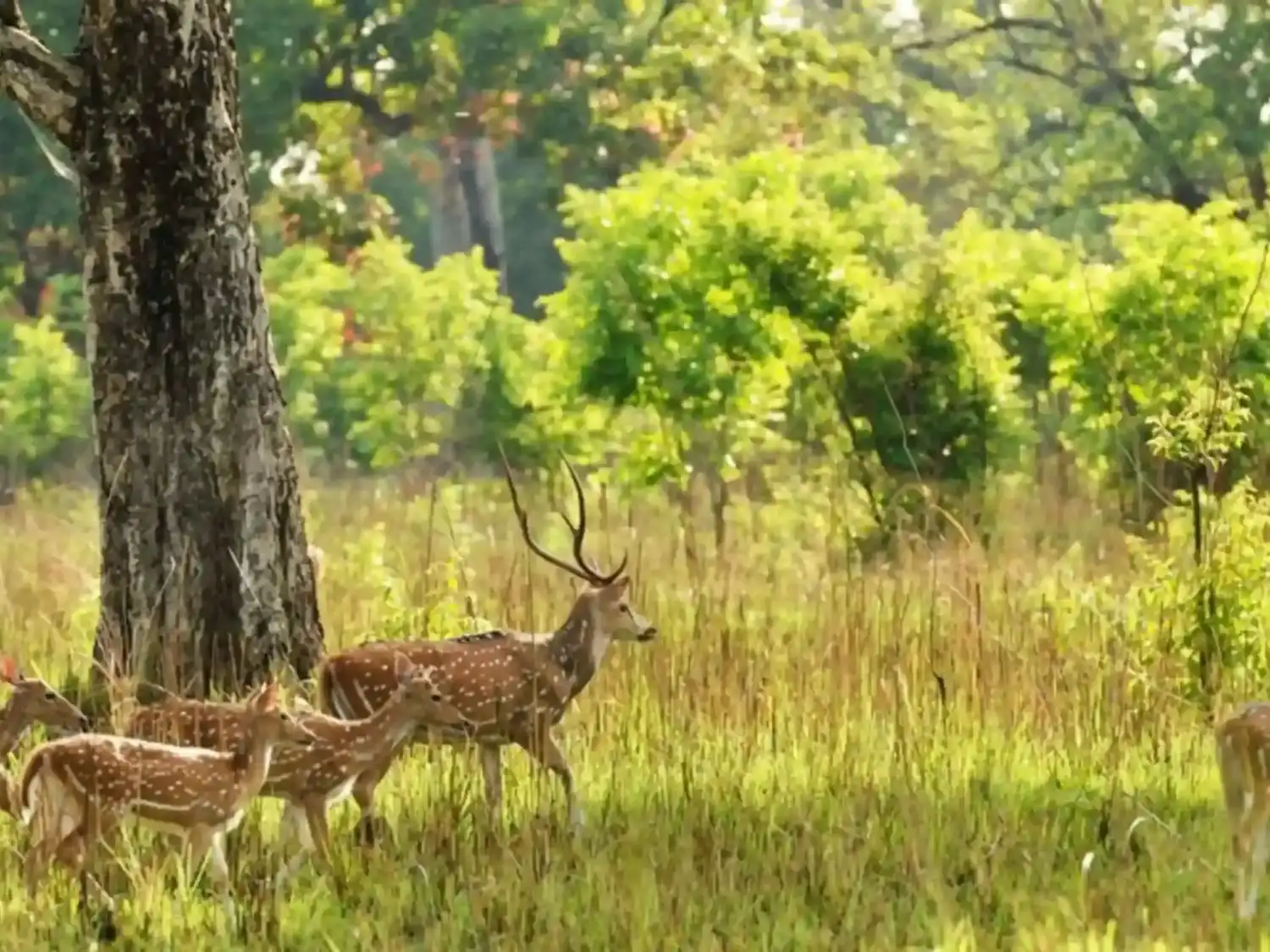
Bardiya National Park, Nepal, is the wild sequel to Chitwan. It's wilder, quieter, and closer to the jungle's raw heartbeat. Located in western Nepal, Bardiya National Park is considered one of the best places in Asia to see tigers in the wild.
Here, you can find:
- Bengal tigers
- Wild elephants
- One-horned rhinos
- Gharials and muggers
- Gangetic river dolphins in nearby rivers
- A wide variety of birds
For women who prefer less crowded, more authentic wilderness experiences, a Bardiya National Park safari feels like stepping into a secret world.
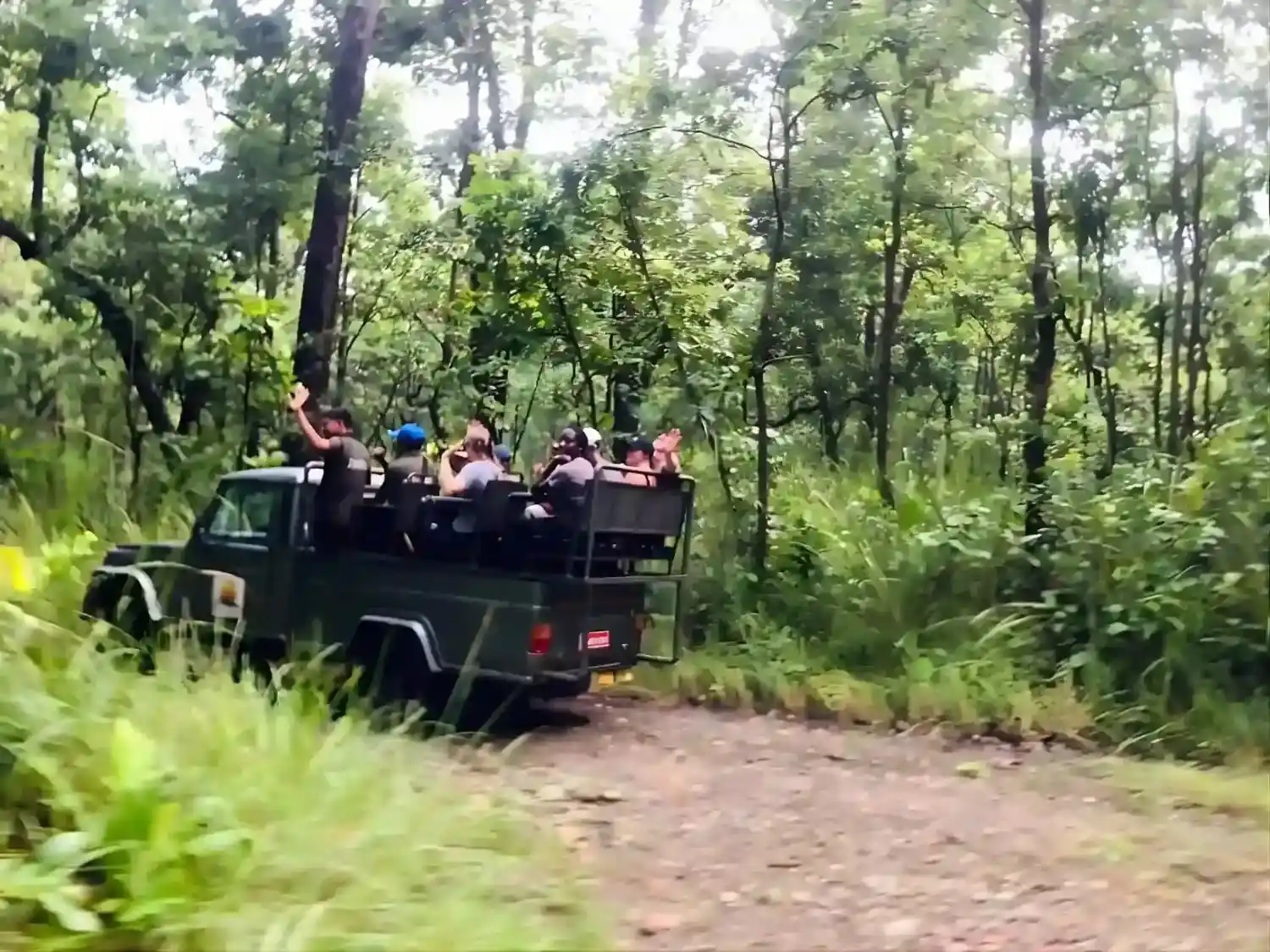
Safaris in Bardiya Park
You can go on different types of safaris in the Bardiya National Park jungle safari:
- Jeep Safari Bardiya: In one day, you can see many tigers and elephants by covering a lot of forest and riverine grassland.
- Guided Jungle Walks: One of the most intense but rewarding things to do; walking safaris let you see signs of wildlife up close with very skilled guides.
- River Rafting & Float Trips – On a peaceful Bardia wildlife tour, you can drift down the Babai, the Karnali, or the Geruwa Rivers and look for dolphins, crocodiles, and birds that live in the water.
Bardiya is still a little off the beaten path, so your time here feels private and relaxed—great if you want to be alone in the jungle.
Best Time to Visit Bardiya National Park
- October–April: This is the best time for a Bardiya safari because the trails are dry and the animals are active.
- December–February: Cooler days, clear views, and ideal for walking safaris.
- May–June: It's hot, but animals are very active near water.
- Monsoon (June to September): It's lush and beautiful, but it can be difficult to get to.
Late fall to early spring is the best time for women to go on long nature tours or combine Chitwan and Bardiya.
Koshi Tappu Wildlife Reserve
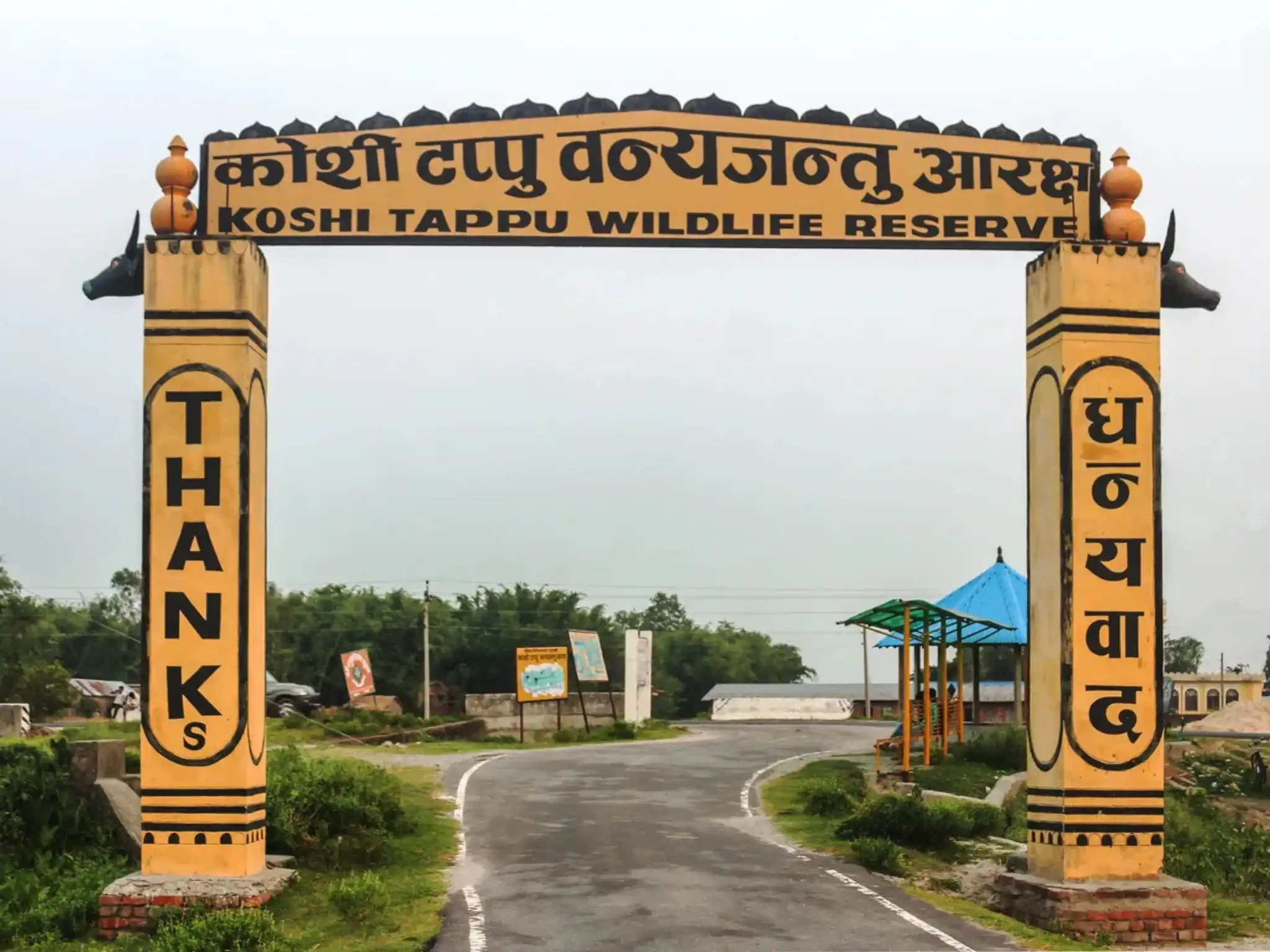
The Koshi Tappu Wildlife Reserve Nepal is quiet and gentle and perfect for women looking for calm, eco-friendly adventures. It is the soft-spoken sibling of Nepal's safari destinations. This wetland reserve is in eastern Nepal and is known for its floodplains, grasslands, and islands in the river.
Highlights include:
- Migratory and resident birds (over 500 species)
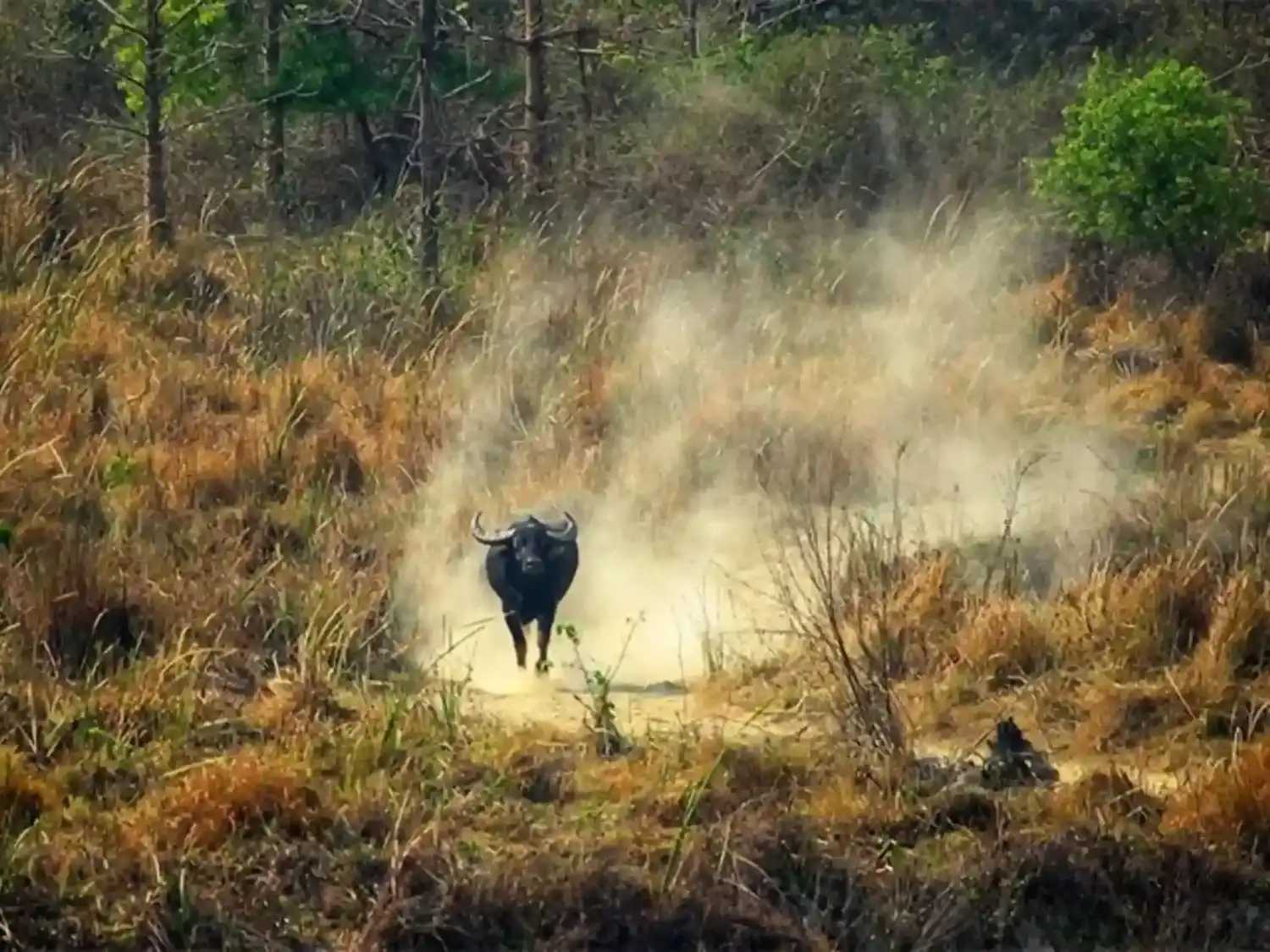
- Wild water buffalo (Arna)
- Otters and occasional river dolphins
- Beautiful river landscapes along the Koshi
Koshi Tappu safari is perfect for bird watchers, photographers, and women who like to watch instead of get their heart racing.
Safaris in the Park
The main safari activities here are peaceful and harmless to the animals:
- Boat Safaris/Koshi River Boat Safaris: You can glide silently across the water and see birds, buffalo, and other animals along the banks.
- Guided Jungle Walks: These are easy walks that focus on plants, birds, and wetland animals. They're excellent for taking pictures of nature and being mindful.
- Birdwatching Safari Nepal: Koshi Tappu is one of the best places in Asia to go on eco-safaris that focus on birds.
These activities are slow and meant for women who want to spend time in nature without the stress of high-adrenaline activities.
Best Time to Visit Koshi Tappu Wildlife Reserve
The best time to go on a Koshi Tappu wildlife safari is from:
- November–February: When thousands of migratory birds come and the weather is lovely and cool.
- March–April: Warmer, but still excellent for birdwatching and taking pictures.
- June–September (Monsoon): The landscape becomes lush and dramatic, but heavy rains can make it difficult to get around and change boat routes.
Koshi Tappu is a must-see for birdwatchers who want to go on wildlife tours in Nepal in the winter.
Parsa National Park (Parsa Wildlife Reserve)
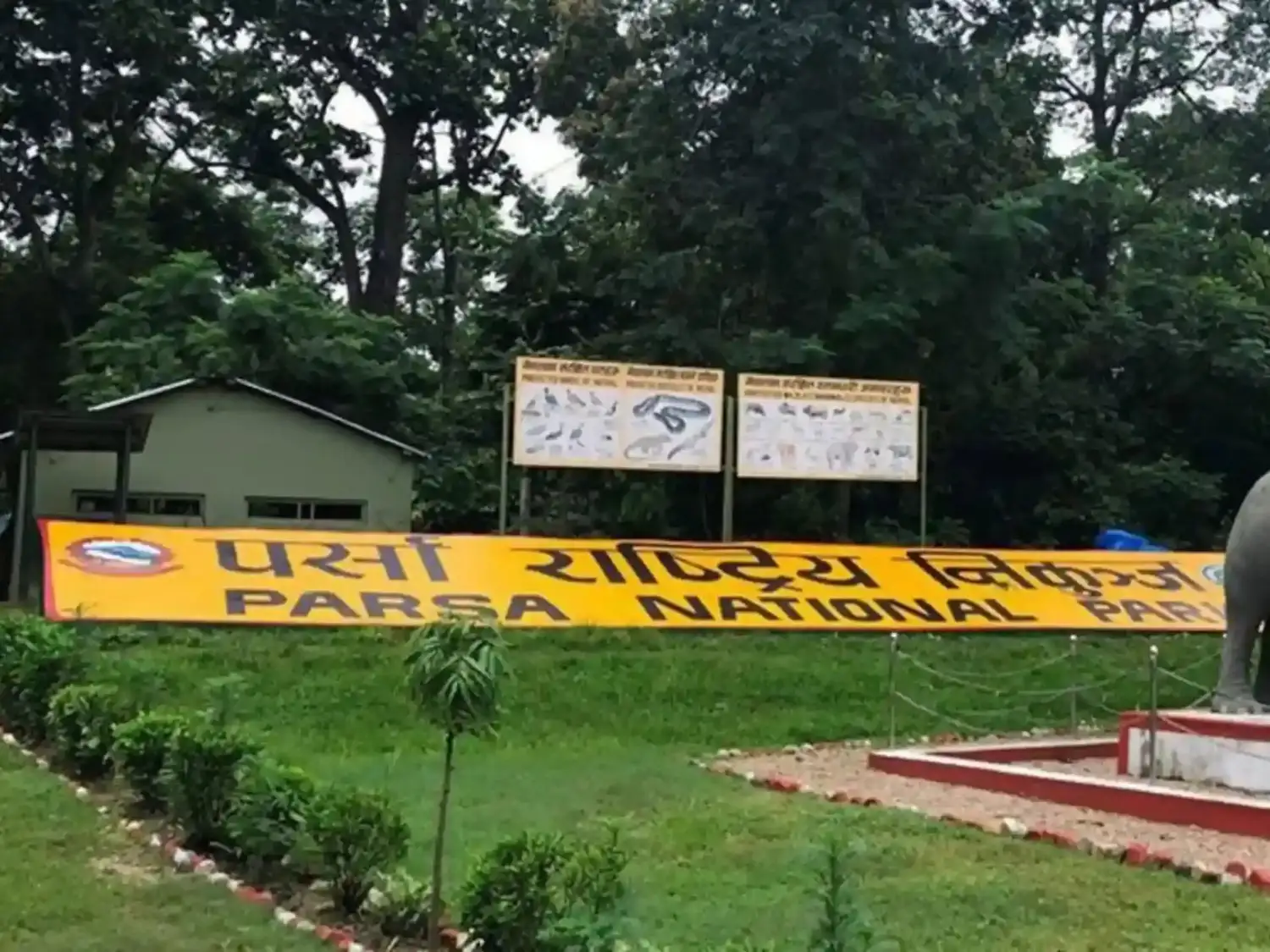
Parsa National Park in Nepal is one of the country's biggest protected areas, but most tourists don't know about it. That's why women who like quiet, deep forest paths will love it.
Sal forests, river valleys, and grasslands make up most of Parsa's landscape. Animals that live in the wild include:
- Elephants
- Leopards
- Blue bulls (Nilgai)
- Tigers (occasional but real)
- Various species of deer and birds
Parsa is a less crowded and more authentic place for a truly unique wildlife jungle safari in Nepal. It has ecosystems that are similar to those in Chitwan but with less traffic.

Safaris in the Park
Women adventurers can go on:
- Jeep Safari Parsa National Park: Go on long hikes through the woods to look for elephants, deer, and big cats.
- Parsa Jungle Safari on Foot: Walking through the jungle with a guide lets you get up close and personal with the sounds, smells, and density of the forest.
- Wildlife Photography Nepal Tours: Personalized trips that focus on capturing the park's wildlife, light, and moods.
We can tailor guided experiences specifically for women-only groups to ensure their safety and comfort.
Best Time to Visit Parsa National Park
- November–April is the best time for Parsa to visit the Nepal jungle because the weather is cooler and visibility is better.
- May–June is hot, but they can be excellent for seeing wildlife.
- Post-monsoon, the jungle becomes lush and green, but the trails may be muddy and harder to follow.
Parsa is a wonderful place to stop if you're going on a wildlife holiday in Nepal and want a quiet place with heavy forest.
Shuklaphanta Wildlife Reserve (Shuklaphanta National Park)
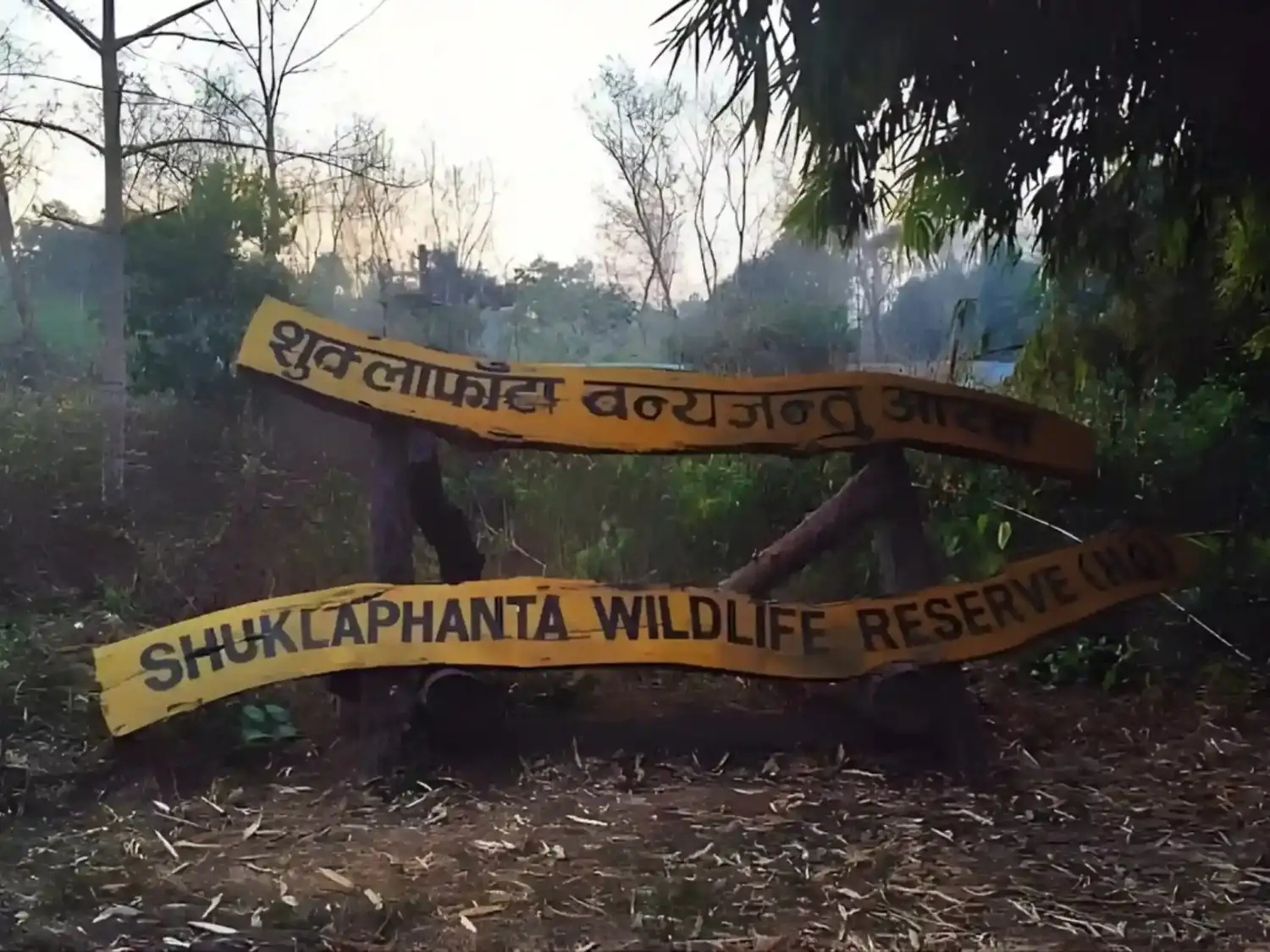
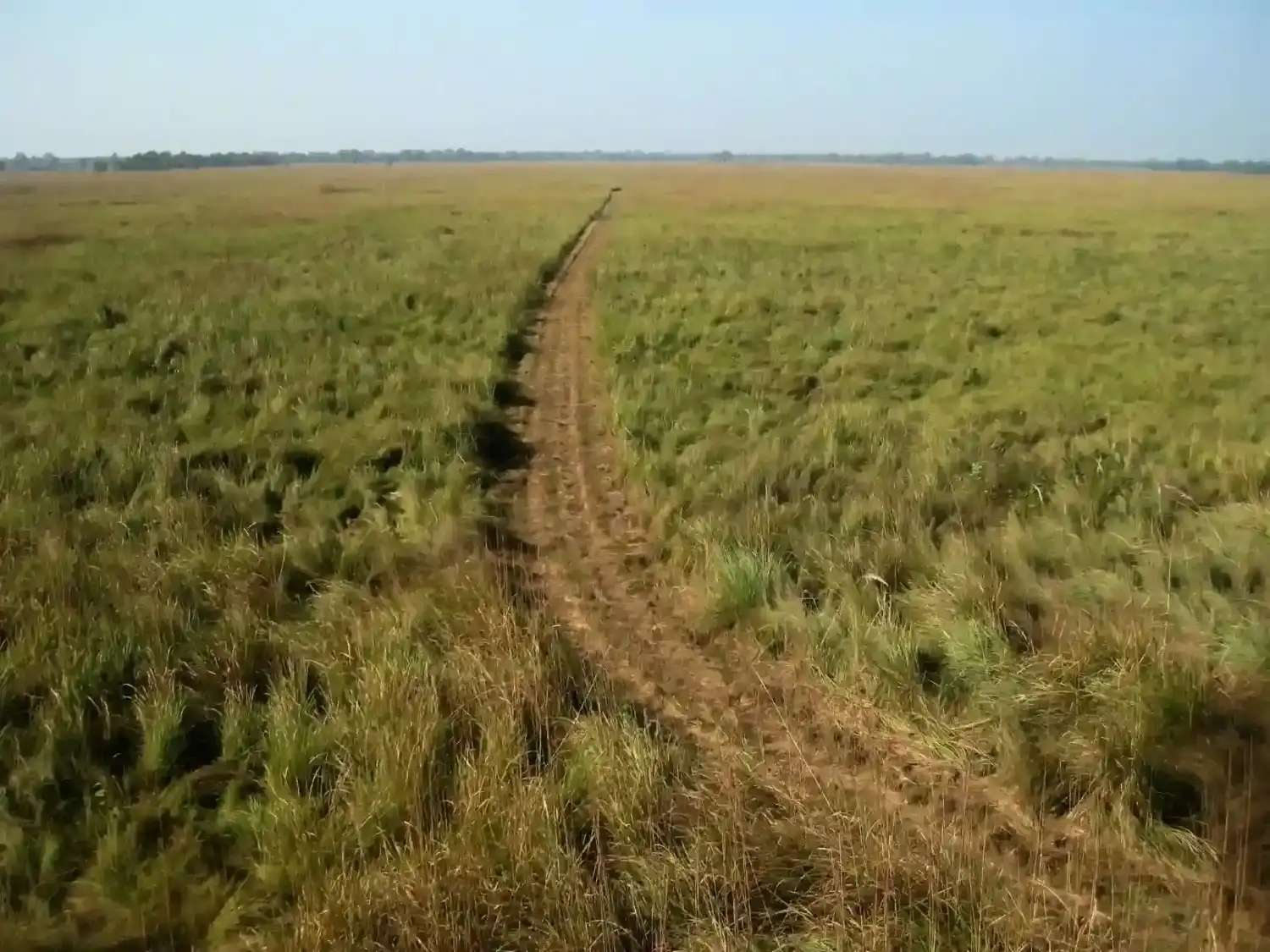
Shuklaphanta National Park Nepal is in the far west of Nepal. People often say that it has a peaceful, open, and golden landscape of grasslands and wetlands. It is renowned for its big herds of swamp deer and the peaceful atmosphere of the safari.
Wildlife highlights in Shuklaphanta Wildlife Reserve include:
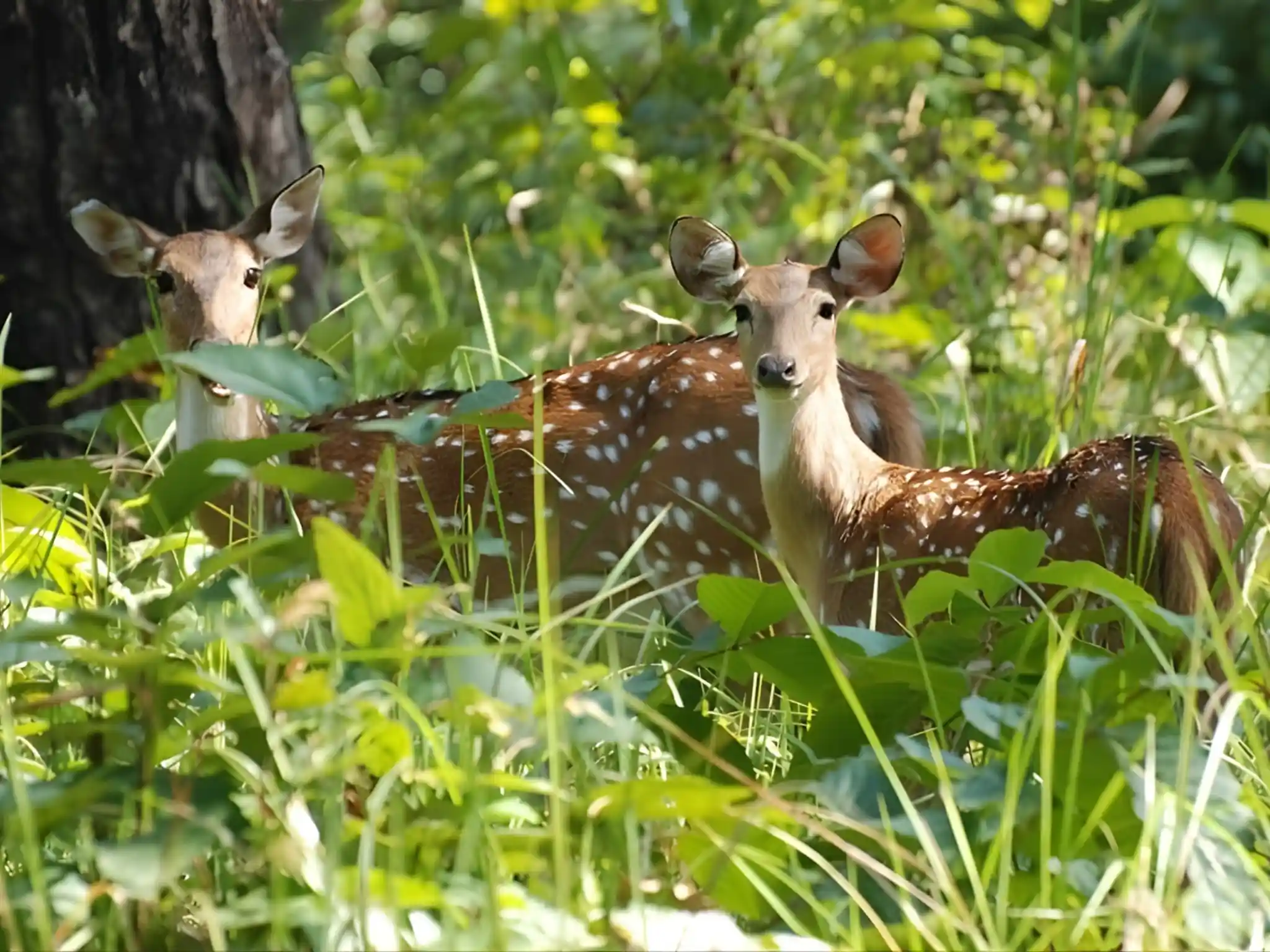
- Swamp deer (Barasingha)
- Tigers
- Elephants
- Leopards
- Numerous bird species, especially in winter
Shuklaphanta in western Nepal is a wonderful place for women who want to go on a peaceful Nepal jungle safari. It feels like a retreat into wide, open spaces.
Safaris in the Park
- Shuklaphanta Jeep Safari: You can ride through grasslands and the edges of forests while looking for deer and big cats.
- Jungle Walks: Easy walks with guides that focus on tracking and watching.
- Birdwatching Tours: These are excellent for photographers and people who like to think while traveling. They are part of larger wildlife tours in western Nepal or Nepal’s grassland safari itineraries.
Best Time to Visit Shuklaphanta National Park
- From October to March: Dry months with mild weather and excellent visibility; ideal for large herd sightings and wildlife photography.
- Winter: Best for birdwatching as migratory species settle across the plains.
For women who value quiet, open horizons, and fewer crowds, Shuklaphanta is a hidden treasure.
Sagarmatha National Park
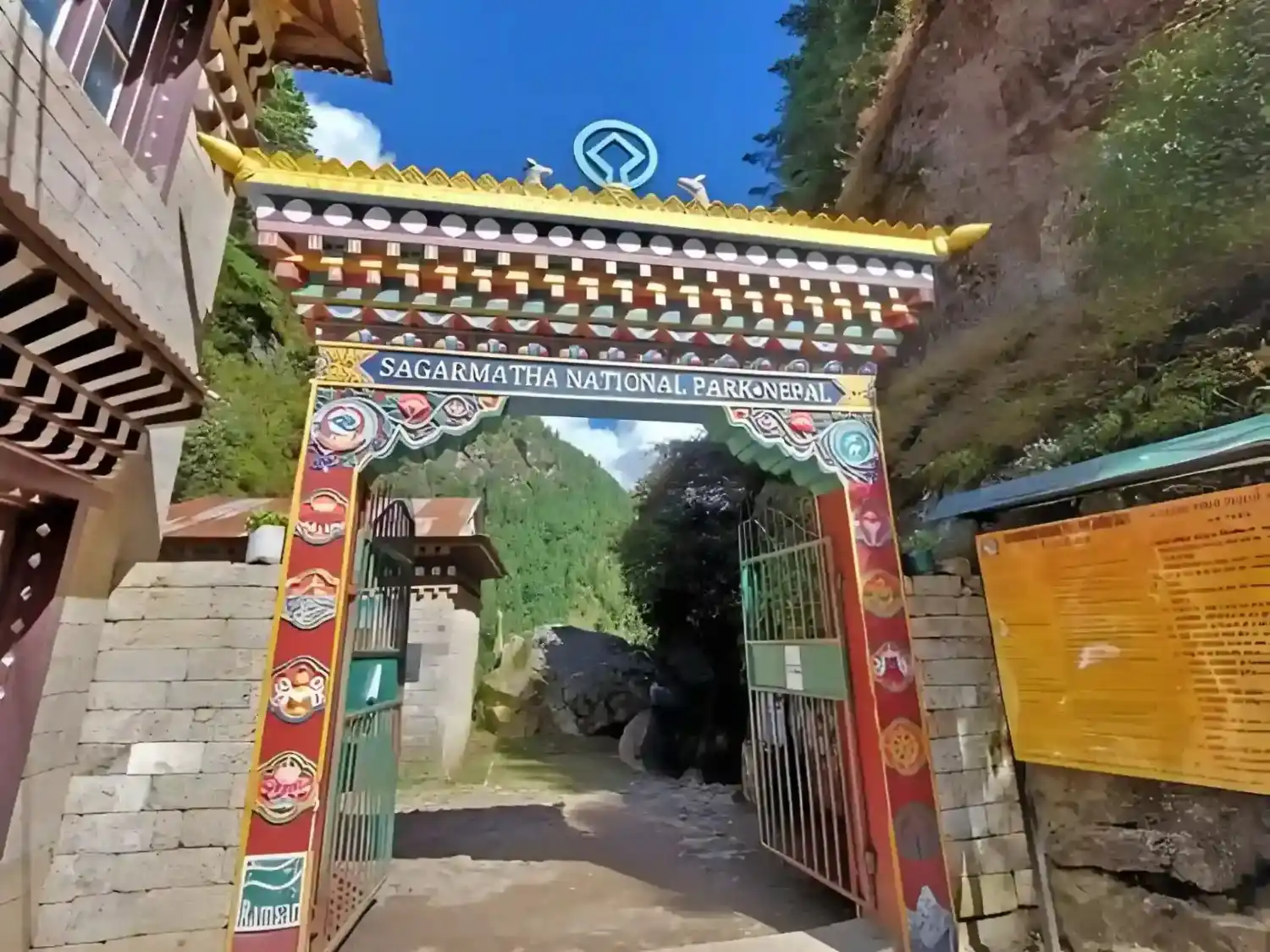
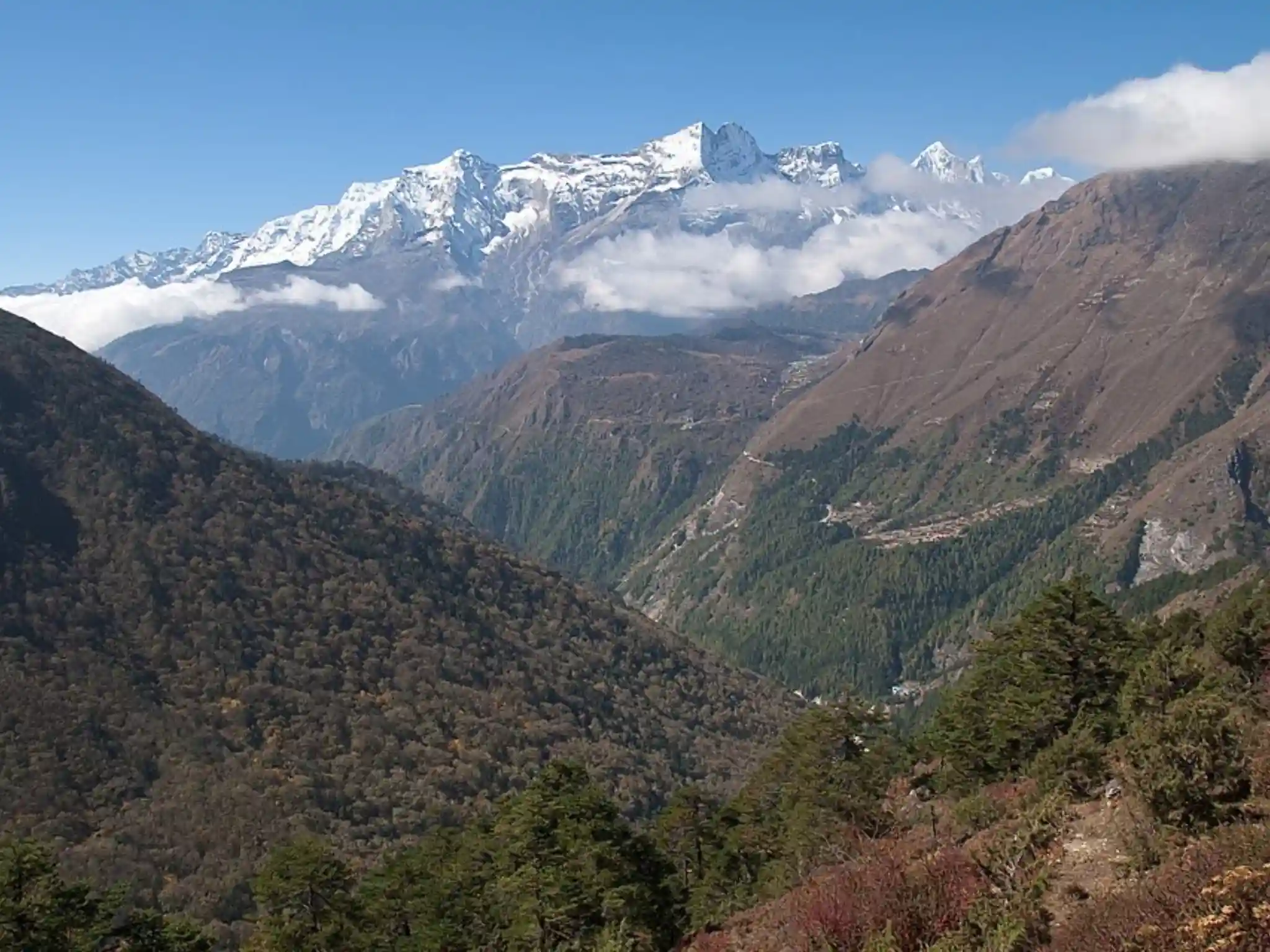
Nepal's Sagarmatha National Park isn't a typical place to go on a jeep safari. Instead, it has a unique mix of Himalayan culture, wildlife, and spiritual trails. In Sagarmatha, you see a different kind of wildlife.
Wildlife includes:
- Snow leopards (elusive but present)
- Himalayan tahr
- Musk deer
- Red pandas (in surrounding forest zones)
- High-altitude birds such as the Himalayan monal (danphe)
This is the best place for women who want to hike, learn about culture, and see wildlife all in one place in a national park in the Everest region.
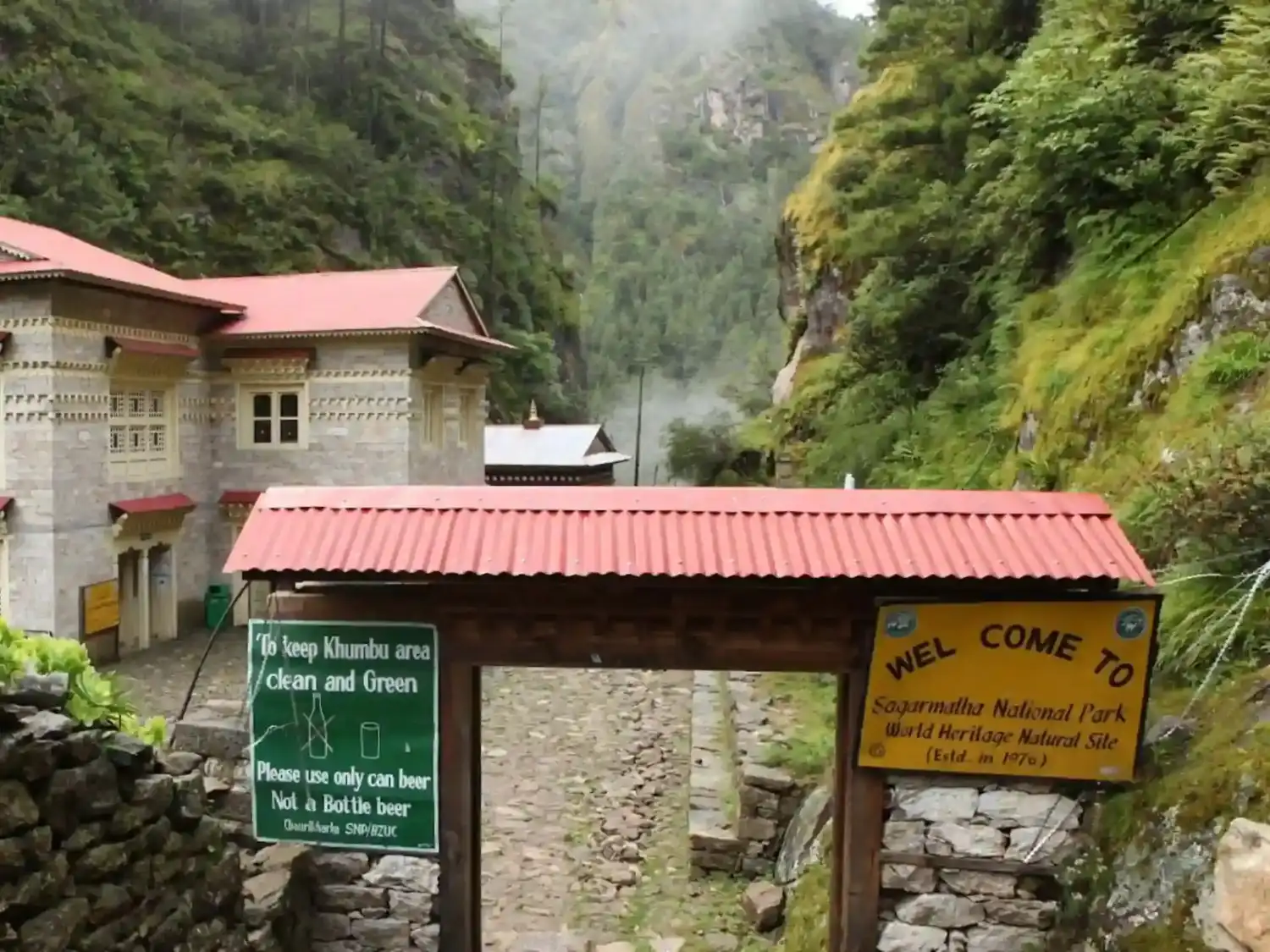
Safaris in the Park
There are no jeep tours here. Instead, you look around by:
- Guided Treks: These are like "trekking safaris" that take you to places like Everest Base Camp or shorter routes where you can see a lot of wildlife and birds.
- Village Walks: See yaks, mountain birds, and alpine species while learning about Sherpa culture.
Experiences are more about culture, ecology, and making connections than traditional safaris with vehicles in the jungle.
Best Time to Visit Sagarmatha National Park
- October–November: The skies are clear, the mountains look wonderful, and the weather is perfect for both hiking and seeing wildlife.
- March–May: The weather is warmer, the rhododendrons are blooming, and the wildlife is active. This is the best time to go trekking on Everest and take pictures of nature.
Sagarmatha offers a one-of-a-kind experience for women who want to go trekking and see wildlife in Nepal.
Shey Phoksundo National Park
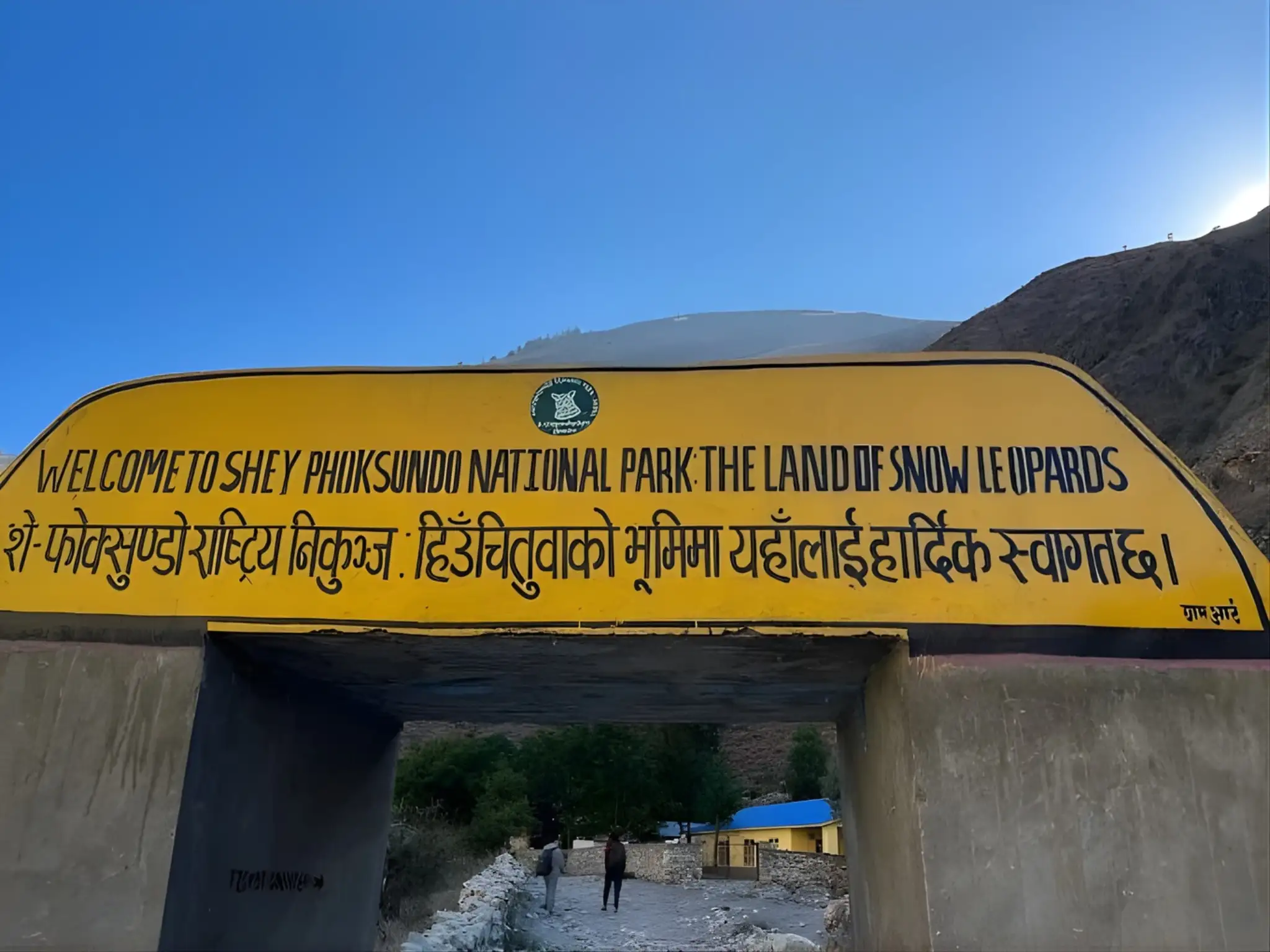
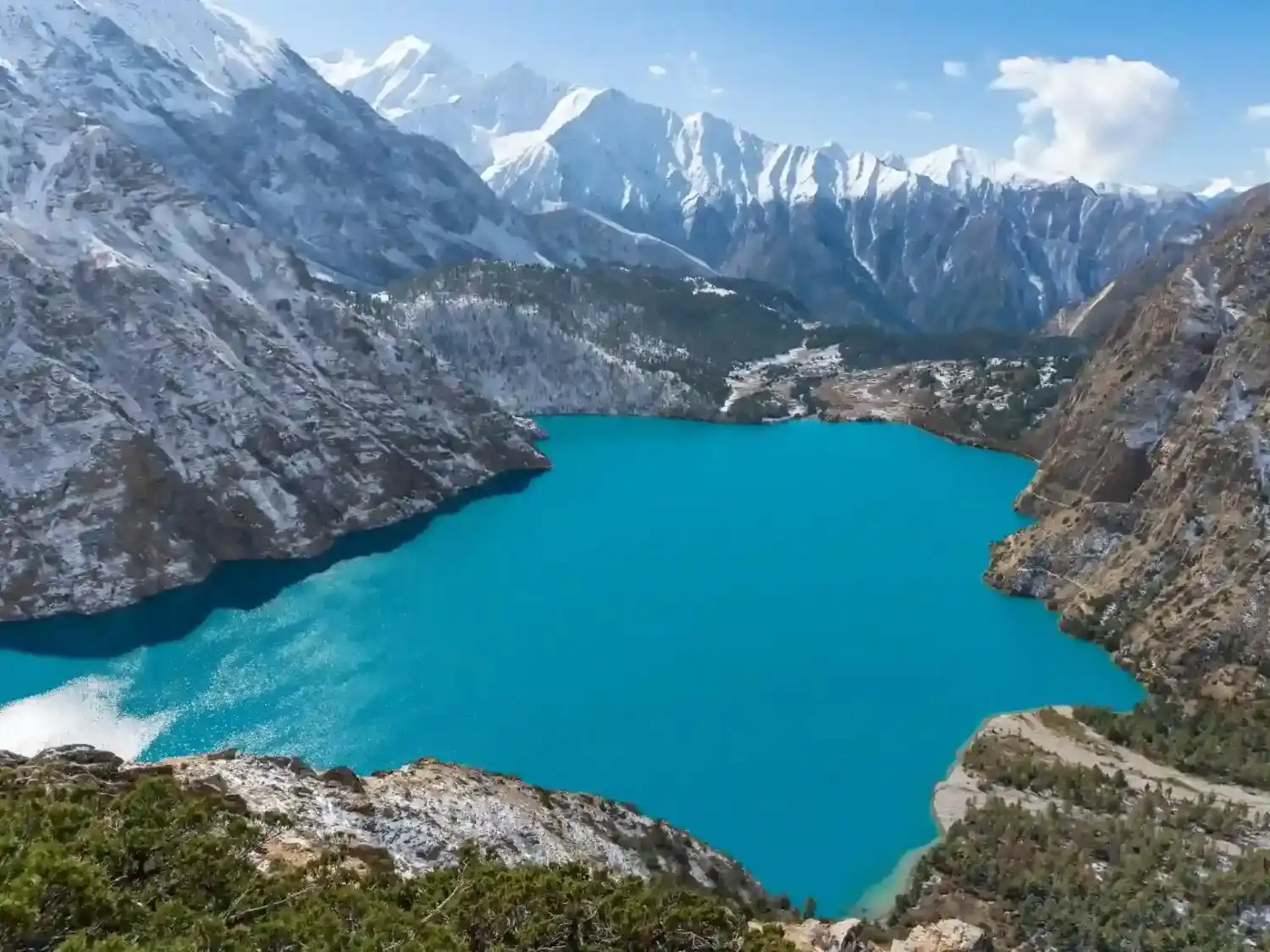
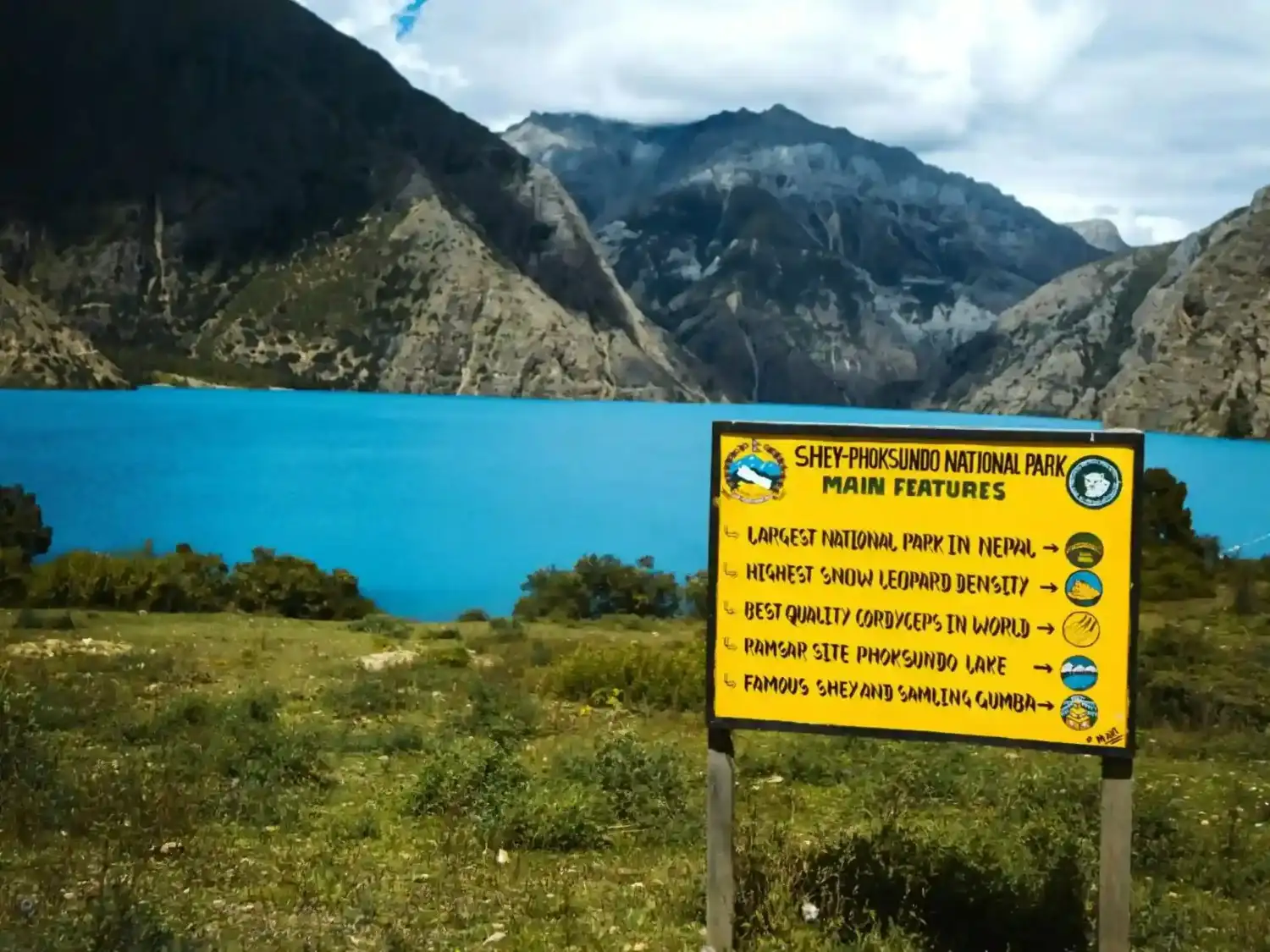
People often say that Shey Phoksundo National Park is the most beautiful high-altitude park in Nepal. It has deep blue Phoksundo Lake, rough cliffs, and villages that are influenced by Tibetan culture. Here, Nepal's strong spiritual atmosphere coexists with Himalayan wildlife.
Here, you may encounter:
- Blue sheep
- Snow leopards (rare but iconic)
- Himalayan wolves
- Musk deer
- High-altitude birds
It's ideal for women who like quiet, remote, and emotionally rich places in the Dolpo area of Nepal.
Safaris in the Park
In this context, "safari" refers to hiking and exploring the area rather than driving around.
- High-Altitude Hikes around Phoksundo Lake: The trek around Phoksundo Lake is one of the most beautiful things to see in Nepal.
- Dolpo Wildlife Tour: See wildlife while also spending time in traditional villages and monasteries.
- Photography and meditation walks are excellent for travelers who want to think about themselves and have an eco-safari in the Himalayas.
Best Time to Visit Shey Phoksundo National Park
- Spring (April to May): Clear skies, nice days, and beautiful light and scenery.
- Autumn (September to November): The weather is stable, the air is crisp, and the mountains are easy to see.
- Winter: Very cold and hard—only for very experienced travelers.
For women looking for a remote, clean, and meaningful wilderness, Shey Phoksundo feels like a different world.
Wildlife You Can Expect to See
On a wildlife safari in Nepal, you might see:
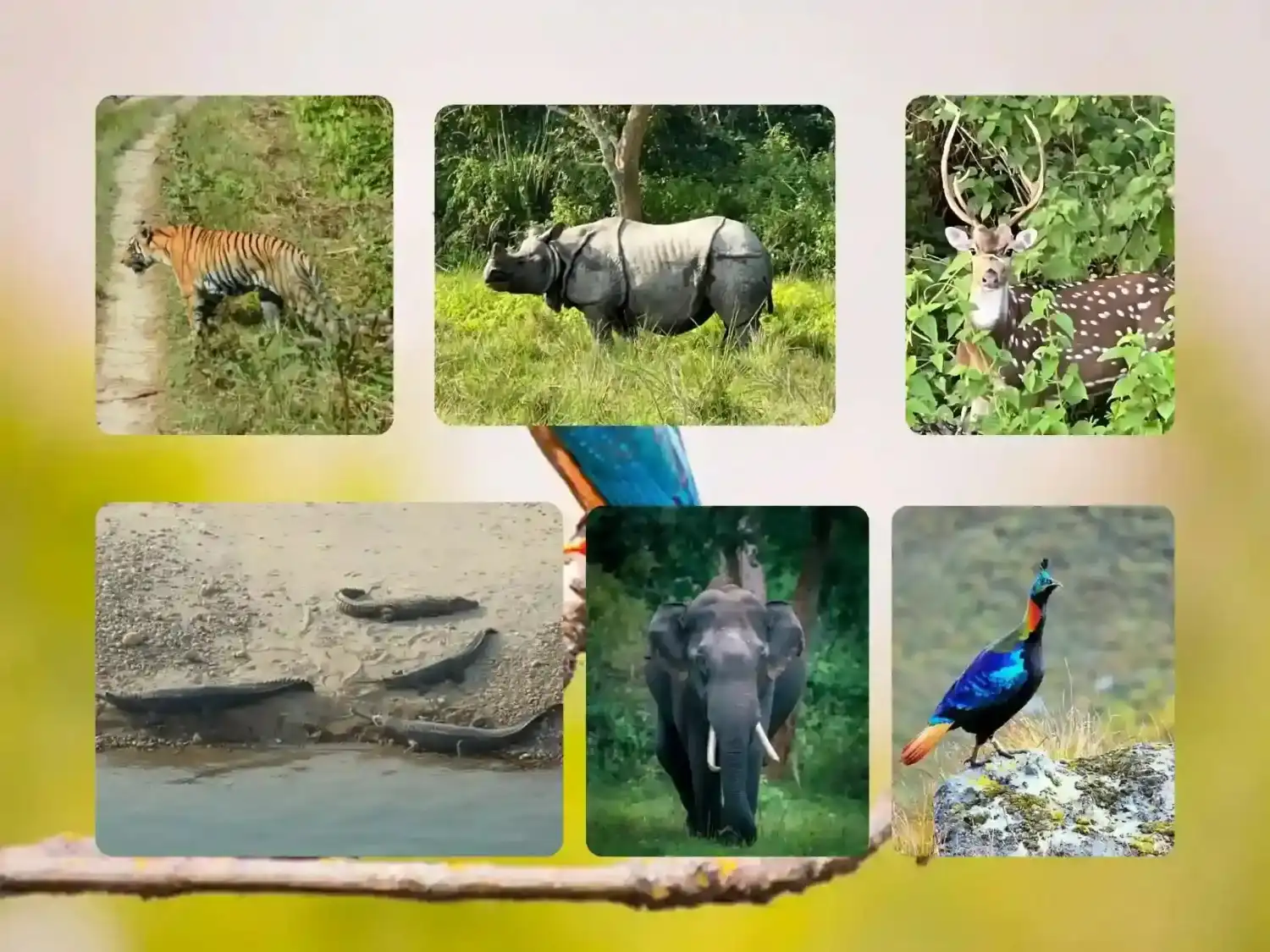
- Royal Bengal Tiger: Especially in Bardiya, Chitwan, Shuklaphanta, and Parsa.
- One-Horned Rhinoceros: Most commonly in Chitwan and Bardiya.
- Asian Elephant: In Bardiya, Chitwan, Shuklaphanta, and Parsa.
- Gharial and Mugger Crocodile: In the rivers of Bardiya, Chitwan, and Koshi.
- Deer Species: Spotted, sambar, swamp deer, and barking deer in many parks.
- Monkeys: Rhesus macaques and langurs live in most forested areas.
- Birds: There are more than 800 species of birds in Nepal, so the animals in the jungle are especially rich in bird life.
Nepal serves as a success story in the conservation of tiger and rhinoceros safaris, with populations on the rise due to robust anti-poaching measures and initiatives focused on community-based protection.
Best Time for Jungle Safari in Nepal
Nepal has different seasons that shape your safari experience:
- Dry Season (October to March):
- This is the ideal season for safaris in Nepal.
- Nice temperatures and clear views.
- Great for wildlife vacations in Nepal, especially in Bardiya and Chitwan.
- Shoulder Season (April and May):
- Hotter days
- Great for animals near waterholes
- Forests in bloom and colorful landscapes
- Monsoon (June to September):
- Lush green plants and dramatic skies.
- The trails might be muddy.
- Some parks may limit accessibility.
Women need to plan around comfort. The dry months are usually the best for first-time safari-goers, while more experienced travelers might like the intense beauty of the shoulder seasons.
Types of Jungle Safari Experiences
You can choose how wild or calm you want your jungle safari in Nepal to be:
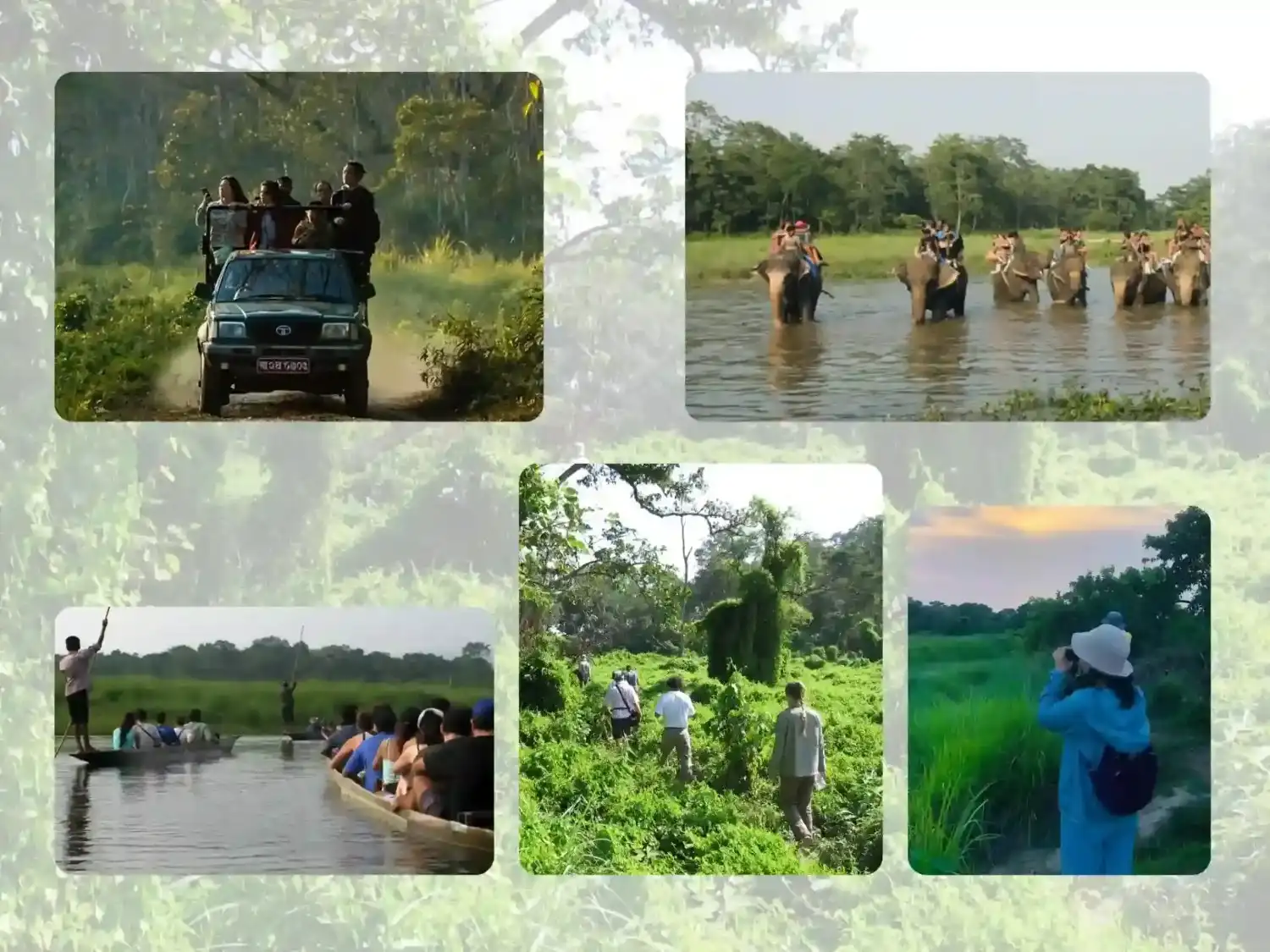
- Jeep Safari Nepal:
Great for traveling long distances, spotting big animals, and staying comfortable. You can find this in Chitwan, Bardiya, Parsa, and Shuklaphanta. - Elephant Safari in Nepal (Ethical Focus):
There are still traditional elephant-back safaris, but many women now prefer more ethical options like watching elephants from the ground, going to conservation centers, or supporting experiences that don't involve riding. - Canoe Safari:
This is a calm, beautiful way to see crocodiles, birds, and river life in Chitwan, Bardiya, and Koshi Tappu. - Jungle Walks:
These walks, led by trained naturalists, get you closer to the sights, smells, and sounds that you would miss in a jeep. - Birdwatching & Photography Tours are for women who enjoy being patient, paying attention to details, and being creative, especially in Koshi Tappu, Chitwan, and Shuklaphanta.
You can adjust each safari to fit your level of fitness, comfort, and personal preference.
Packing Essentials for a Jungle Safari in Nepal
Packing smart makes you feel good and confident. A useful packing list for a wildlife jungle safari in Nepal includes the following items:

- Clothes in neutral colors, like green, brown, and beige.
- Shirts and pants that are light and let air flow through.
- A light jacket or fleece for cool mornings and evenings.
- Strong shoes with closed toes or trekking shoes.
- A hat or cap and sunglasses that protect against UV rays.
- Sunscreen and lip balm with a high SPF.
- Cream to keep bugs away and stop itching.
- A basic first-aid kit and your own medicine.
- Water bottle that can be used again.
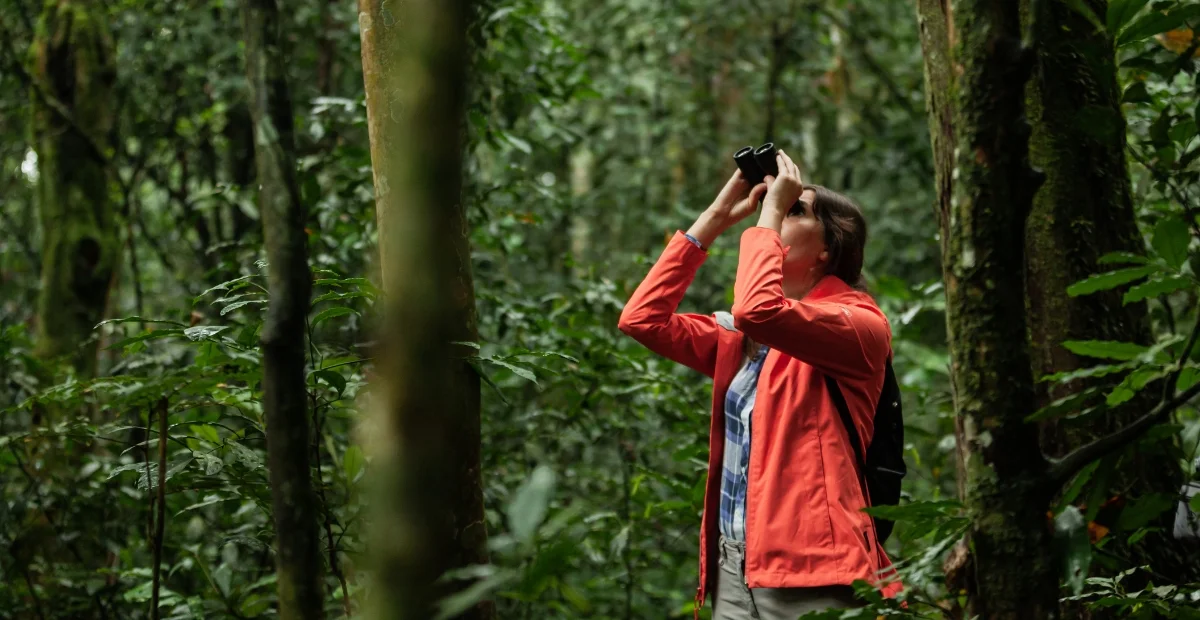
- Binoculars for looking at animals.
- Bring a camera or smartphone and some extra batteries or a power bank.
- A light scarf or buff will protect you from dust and the sun.
If you're a woman, think about bringing extra travel essentials for Nepal, like menstrual products, wipes for personal hygiene, and any other health needs you may have.
Responsible Travel & Conservation Awareness
A wildlife jungle safari in Nepal is more than about what you see; it's also about how you act. As a woman traveling, you can directly help responsible tourism in Nepal by:
- Choosing eco-friendly lodges and tour companies.
- Following your guide's directions and staying a safe distance from animals.
- Using reusable bags and bottles instead of plastic ones.
- Following local customs, dress codes, and culture.
- Promote and help local businesses, as well as tourism that is based in the community.
- Do not engage in activities that are restricted regarding animals or that exploit them.
You can help protect wildlife in Nepal and support more eco-friendly travel programs that protect both nature and the people who live there.
Why Women Travelers Love Jungle Safaris with Women Adventure?
Women Adventure is more than just another travel company. This trekking agency and company is owned and run by women and only serves women. It was made so that women can explore, grow, and push their limits without fear.
Women love going on Women Adventure's women-only safari trips to Nepal for the following reasons:
- Female Guides & Leaders: Women who know the trails, parks, and cultures well will be your guides and leaders.
- Women-Only Groups: Travel with other women who share your worries, pace, and priorities.
- Safety First: All of the routes, places to stay, and times are planned with women's safety in mind.
- Emotional Connection: On safaris, people can share stories, laugh, be vulnerable, and feel like they are part of a sisterhood.
- Customized Journeys: Trips are made to fit women's interests and comfort levels, from easy eco-tours to adventurous wildlife-focused hikes.
Women Adventure doesn't just show you Nepal; it helps you grow there. You can stay in villages, hike in the Himalayas, go on jeep safaris, and ride in canoes.
Final Words
A wildlife jungle safari in Nepal is more than just something to do on a trip. It's a calling. You can peacefully relax by a river while elephants eat nearby. When you see fresh tiger tracks on the trail, your heart should race. To sit around a campfire with women from different countries and laugh with them as if they were old friends.
You don't have to choose between adventure and safety or between wildness and comfort when you go with a women's adventure company like Women Adventure. You can have both. You can go into the jungle knowing that you will be supported, seen, and encouraged at every turn.
This is your sign if your heart wants something real, raw, and life-changing.
A wildlife jungle safari in Nepal should be your next big adventure. It should be the trip that reminds you how strong and free you really are.
FAQs About Wildlife Jungle Safari in Nepal for Women
What Are the Benefits of Jungle Safari?
A jungle safari can help you relax, reconnect with nature, learn about wildlife and conservation, help local communities, and gain confidence through adventure. It also gives women a place to think, feel empowered, and connect with other travelers who think like them.
What Is Famous for Jungle Safari in Nepal?
Chitwan National Park and Bardiya National Park are the most popular places in Nepal for jungle safaris. Other parks with different diversity, like Koshi Tappu, Shuklaphanta, Parsa, and high-altitude parks like Sagarmatha and Shey Phoksundo, make the experience more captivating.
Which Time Is Best for Jungle Safari in Nepal?
The dry season, which lasts from October to March, is usually the best time to go on a jungle safari in Nepal. It's easier to see things, the weather is nice, and it's easier to find animals.
Is It Safe for Women to Join a Jungle Safari in Nepal?
Yes, especially if you go with a well-known, women-centered company. Women Adventures specializes in trips for women only and led by women. They make sure that you are safe, supported, and in a respectful environment the whole time.
How Many Types of Jungles Are There in Nepal?
Nepal has a wide range of ecosystems, including subtropical lowland jungles, riverine forests, grasslands, mid-hill forests, and high-altitude alpine zones. Each kind of jungle has its animals and offers a different kind of safari experience.
Which Are the Best National Parks for a Jungle Safari in Nepal?
- For classic wildlife viewing: Chitwan National Park and Bardiya National Park.
- For birds and wetlands: Koshi Tappu Wildlife Reserve.
- For grasslands and swamp deer: Shuklaphanta.
- For alpine wildlife and trekking: Sagarmatha National Park and Shey Phoksundo National Park.
What Essential Items Should I Pack?
Bring clothes that aren't too bright, comfortable shoes for walking, a hat, sunglasses, sunscreen, bug spray, your own medicine, a reusable water bottle, binoculars, and a camera. Women might also want to bring personal care items, a light scarf, and other things that make them feel good.
What Kind of Animals Can I See During a Jungle Safari in Nepal?
You might see rhinos, elephants, tigers, leopards, deer, monkeys, crocodiles, wild buffalo, dolphins, and hundreds of bird species in different parks.
Do I Need a Guide for Jungle Safaris in Nepal?
Yes. For safety, finding animals, learning about their behavior, and following the park rules, you need a guide. Guides also help women-only groups feel safe and at ease, so you can fully enjoy your trip.