
Tabel Of Contents
Kathmandu, the capital city of Nepal, is where you will step first before starting any trek. Proper trekking equipment and gear are significant for every trek in Nepal, as they aid in your comfort and safety. Now, a question may arise in your mind: Where can I buy my gear? Do I have to buy it, or can I hire it as well? Where can I get the best price and option? How can I choose the right equipment? And so on. In this article, you will find all your answers so that you are well prepared for your trek as well as some secret tips that will save your time and money.
1. Introduction
Kathmandu, the capital city of Nepal, is where you will step first before starting any trek. Proper trekking equipment and gear are significant for every trek in Nepal, as they aid in your comfort and safety. Now, a question may arise in your mind: Where can I buy my gear? Do I have to buy it, or can I hire it as well? Where can I get the best price and option? How can I choose the right equipment? And so on. In this article, you will find all your answers so that you are well prepared for your trek as well as some secret tips that will save your time and money.
- Overview of Kathmandu as a Hub for Trekking
The doorway to the Himalayas of Nepal is Kathmandu because most of the trekking starts from here. Kathmandu is the capital of Nepal, and it is famous for its vibrant ambience. All the gear or equipment required for trekking can be found here, so the city is a one-stop shop for hikers and trekkers. Thamel, the tourist hub, is filled with trekking agency, gear stores, rental shops, and trekking experts. All the equipment for trekking can be arranged here, whether you do Annapurna, Everest, or other iconic trails.
- Importance of Proper Gear for Trekking in Nepal
The proper trekking gear will help you to complete your trekking journey in a successful way, as it will prevent you from injury and mishaps. The trail in the mountain region is rugged, wet, and frigid, so to overcome these situations, the right equipment is essential. Equipment like insulating jackets, sturdy boots, and reliable backpacks was the common gear needed for the trek. These gears make you feel comfortable while trekking demands a physical challenge from you, and you can also enjoy the breathtaking scenery.
- Benefits of Buying vs. Renting Trekking Gear
You can buy or rent all the trekking gear from the store available at Thamel. It all depends on your needs and duration of trekking. If you buy trekking gear, then it offers the advantage of well-fitted gear, and it can be used in the future if you plan to go trekking again, whereas if you rent, then it will be cost-effective and ideal for short-term travelers. The buyers can customize the gear as needed for specific comfort and future use, while renting the gear is just for a single-time use, but they can travel light.
2. Popular Areas for Buying/Renting Trekking Gear
- Thamel: The Go-To Area for Trekkers
The trekkers can find everything at the store of Thamel, a popular tourist hub in Kathmandu, which is crowded with a variety of trekking stores. You can find any technical gear from local Nepalese brands to well-known international ones. The gear, like clothing, boots, backpacks, and sleeping bags, will be suitable for all types of expeditions.
The gear shop in Thamel has a wide option for the pro or beginner trekker, providing good material. A knowledgeable staff member of the store will assist you in choosing the right equipment for the trek.
- Freak Street (Jhochhen): Lesser-Known but Good for Bargains
Freak Street is quite far from Thamel, located near Kathmandu Durbar Square, and it is a less crowded place compared to Thamel. It is an excellent spot for trekkers to buy or rent trekking gear in an affordable deal. This place was once a famous hippie hub, but now it offers several trekking gear shops. The savvy shoppers can find the best quality trekking equipment at lower and affordable prices. The stores on Freak Street are budget-friendly, where you can rent second-hand gear. Also, if you buy gear from the store on Freak Street, then it offers great bargains without reducing quality.
3. Buying Trekking Gear in Kathmandu
- Pros of Buying:
- The gear can be used in future treks if you invest in durable equipment for long-term use.
- The items will be brand new with a warranty. Unused items will have better quality control.
- You can customize the gear (fit, color, and style) on your own to fit you according to your preferences.
- Access to a variety of local and international brands for specialized needs.
- In terms of hygiene, new gear ensures cleanliness, especially for items like clothing or sleeping bags.
- It ensures that all equipment is suitable and reliable and avoids last-minute rentals, which brings peace of mind.
- Cons of Buying:
- Especially for high-end brands and advanced equipment, buying gear can be expensive.
- Owning gear adds to luggage when traveling to and from Kathmandu.
- When you buy every item that you need, there will be limited space for bulky items.
- Once purchased, it's not easy to exchange or return items while on the trek.
- Gear may not retain value after multiple uses, especially in harsh trekking conditions.
- The excess consumption of multiple pieces of gear for different conditions may impact the environment.
4. Renting Trekking Gear in Kathmandu
- Pros of Renting:
- If you don’t plan to reuse gear, then it will be cost-effective for one-time or short treks.
- You don’t need to bring bulky equipment from home. It will be easy to carry less luggage if traveling light.
- You can rent gear before your trek without prior arrangements.
- You will have a wide range of options to choose from, from basic to high-quality items.
- It will be perfect for those who are unsure of future trekking plans.
- Reusing gear lowers environmental impact. It is an eco-friendly option.
- Cons of Renting:
- All the rental gear is not of good quality because some items may be damaged or worn out from previous use.
- The boots or clothing may not provide ideal comfort because the sizes may be limited.
- In peak season, the gears may be limited because of high demand, especially for quality equipment.
- All the items may not be of high quality and the latest models.
- The items, like sleeping bags or inner layers, may produce bad odors because of previous use.
- If the trekking period is longer, then the rental fees may approach the cost of purchasing.
- Key Items Available for Rent (Jackets, Sleeping Bags, Tents, etc.)
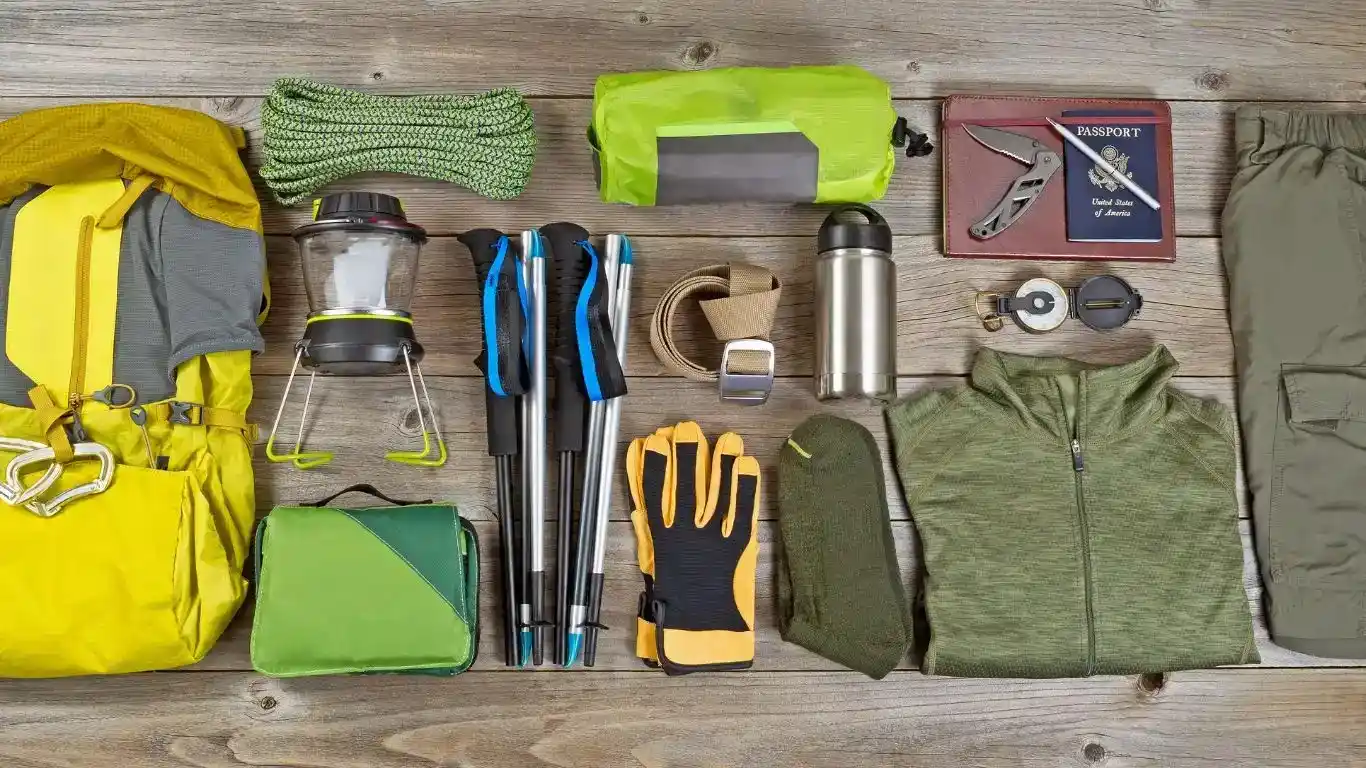
- Jackets: Depending upon the weather, you can find different types of jackets, i.e., down, fleece, and waterproof.
- Tents: The tent should be lightweight, and it is available for both single and multi-person.
- Sleeping Bags: Depending upon the temperatures and altitudes, the sleeping bags may vary.
- Trekking Poles: The trekking poles should be collapsible and adjustable models.
- Backpacks: Small to large capacity with good support.
- Gloves, Hats, and Scarves: In higher altitudes it is recommended to keep your body warm.
- Boots: Waterproof and sturdy hiking boots.
- Top Rental Shops in Thamel
- Shona’s Alpine Rental: The shop provides quality down jackets and sleeping bags.
- Himalayan Trekking Gear Rental: The store is popular for high-quality equipment and provides full trekking packages for rent.
- Paramount Trekking Shop: Boots, backpacks, and tents can be found in this store.
- Mountain Hardwear Store: The branded gear can be found at premium prices with high quality.
- Himalayan Scenery Treks & Expedition: All the trekking gear can be found here with good customer service.
5. Quality Check: What to Look for When Renting or Buying
- Clothing: Materials (Waterproof, Insulating), Fit, Layering Options
While buying or renting trekking clothing, always prioritize the best quality product. To be safe from rain and snow, you need a waterproof outer layer, while to keep your body warm, you need a down or fleece jacket. The wearing cloth should fit your body; neither too tight nor too loose. To maintain a body temperature, you should focus on layering options: the base, mid, and outer layers. Breathable and moisture-wicking fabrics are good for base layers. i.e., merino wool or synthetic blends, while windproof and water-resistant products are crucial for outer layers.
- Backpacks: Weight, Straps, Durability
To pack all your clothes and gear, an adjustable trekking backpack is required, and also it should be light enough to carry comfortably. In terms of adjustability, look for padded straps—shoulder, hip, and chest straps—which will distribute weight evenly, preventing strain. When you buy or rent a backpack, ensure the durability of the zippers and fabric, as the pack will be subjected to rugged conditions. If the backpack is waterproof with multiple compartments, then it will be a plus.
- Shoes/Boots: Proper Fit, Break-In Period, Ankle Support
The shoes are the most used gear during trekking, so they should fit your foot, and always wear a trekking sock to ensure comfort. The fitted shoes will prevent you from discomfort, injury, and blisters. Before you buy or rent a trekking shoe, always allow time for a break-in period before the trek. Good shoes should always support your ankles because ankle support is a key factor for trekking on uneven or rocky terrain. If the shoes have a better grip, then it will help in varying trail conditions; water-resistant, breathable materials and sturdy soles are a plus.
- Sleeping Bags: Temperature Rating, Weight, Cleanliness
The temperature rating of a sleeping bag is crucial during trekking because it should match the lowest temperatures expected on your trek. A sleeping bag with a light weight is preferable during longer treks, though it should still provide adequate warmth. If you buy or rent a sleeping bag, ensure it's well-maintained and free from stains or odors. In terms of affordability and moisture resistance, synthetic bags are recommended, but down sleeping bags offer better warmth-to-weight ratios.
6. Negotiating Prices and Deals
- Importance of Bargaining, Especially in Local Stores
Whenever you buy or rent trekking gear in Thamel, you can bargain for the price because bargaining is a common and accepted practice in Thamel. The bargains help you to save a significant amount, but be polite while you put your offers to the shopkeepers. For all the trekking items like shoes, sleeping bags, poles, backpacks, etc., you can do a bargain, which will be useful if you’re working with a limited budget or looking for a quality product. The local store often offers more flexibility in pricing, whereas the price will be fixed in international brand stores.
- Bulk Purchase Discounts (Especially for Groups)
As always, if you buy multiple items in bulk, you can ask for a bulk purchase discount, which will save you money. The stores or shopkeepers would be happy if you bought a product in bulk, and also, they would surely provide you with a bulk purchase discount. The items, like sleeping bags, jackets, or sets of trekking shoes, etc., can be purchased in bulk. If you do a group expedition, then this method works fine, and the shop owner can earn a large amount at a single time. When negotiating an overall price, always shop in groups to maximize discounts.
7. Authenticity and Brand Awareness
- Identifying Fake vs. Genuine Gear (Popular Trekking Brands)
In the trekking gear market in Thamel, duplicate products can be common, mostly for international trekking brands, i.e., Mountain Hardwear, Marmot, or North Face. To be safe from buying a duplicate product, always check the accurate logos of the brand. The other factors you can check are things like high-quality stitching and functional features like zippers. The original products do have a serial number, brand tags, and a warranty card in case you need to check these things while buying a genuine product.
- Supporting Local vs. International Brands
In Kathmandu, there are both local and international brands that sell trekking gear. Due to advanced technology and durability, international brands are often trusted by many trekkers; however, local brands can also offer solid options at affordable prices. While buying a product like sleeping bags, jackets, and backpacks, you can also choose a local brand, which will uplift the economy of local brands.
8. Conclusion
- Recap of Considerations for Buying vs. Renting
Consider the duration of your trek and budget while buying or renting trekking gear in Thamel. If you want to use your product for future use, then it is recommended to buy it; also, while buying, you have a customized option to fit your body. Similarly, if the trekking is for a one-time trek and if you want to save your money, then renting is a good option, but while renting, you don’t have a customized option. The quality of the rental material is quite low compared to the product that you buy.
- Final Advice on Preparing for a Trek With the Right Gear
The trek will be successful when you use proper gear and equipment so it is always recommended to check your product before you start your trek. Whatever you do, like buying or renting a product, always check for high-quality materials. Products, like clothing, should fit your body to ease your trek. Always choose good backpacks to store your clothes and gear. Boots should be well fitted to your feet. Consider the trek challenges—geographical structure, unpredictable weather, and altitude—and prepare accordingly. With proper equipment and careful preparation, your trekking journey will be successful.