
Tabel Of Contents
- Spring Season: Best Time to Trek In Nepal for Women
- Why Short Treks Are Ideal for Spring in Nepal for Women?
- Trekking in Nepal in Spring: Pros and Cons
- Top 10 Short Spring Treks in Nepal for Women
- Preparing for Short Spring Treks
- Choosing the Right Trek Based on Fitness and Experience
- Safety and Tips for Women Trekkers
- Conclusion
- FAQs: Short Spring Treks in Nepal for Women
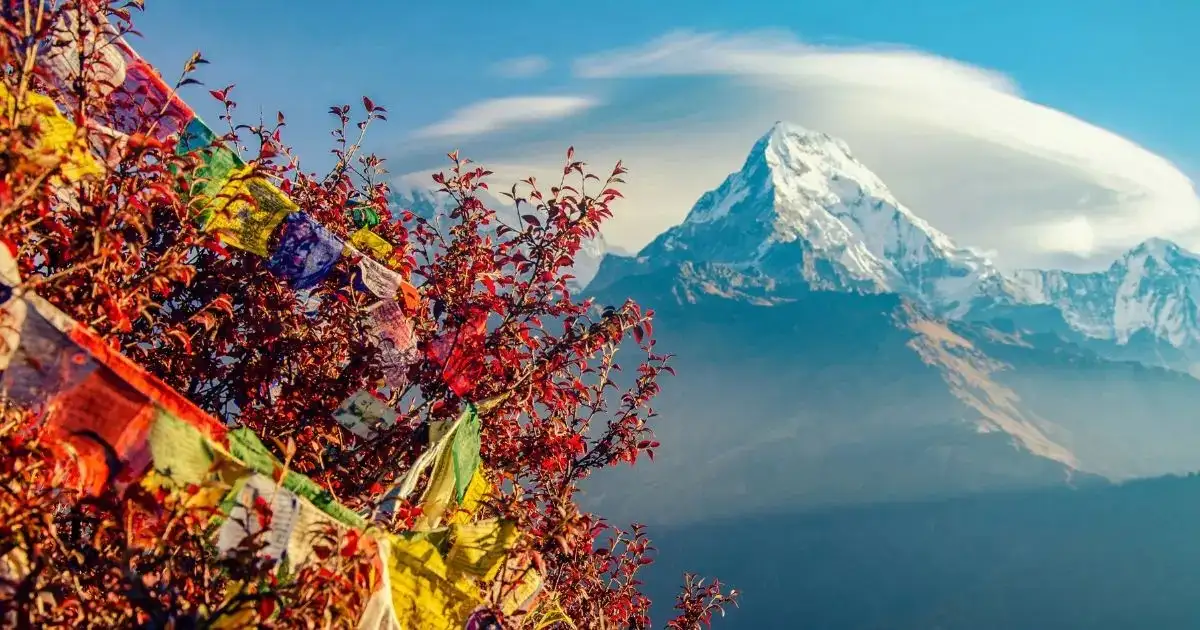
Spring is one of the best seasons for short treks in Nepal, especially for women seeking safe, scenic, and rewarding adventures. The weather is generally clear; temperatures are comfortable, and hillsides come alive with blooming rhododendrons and vibrant mountain views.
Many short trekking routes across Nepal offer well-marked trails, welcoming teahouses, and culturally rich villages, making them ideal for female travelers with limited time. Whether trekking solo or with friends, spring provides the perfect balance of beauty, safety, and accessibility for an unforgettable Himalayan experience.
At Women Adventures Pvt. Ltd., Nepal's women's trekking agency run by women, for women, we've spent years walking these routes and learning which ones reward effort most honestly. This guide reflects that experience. Whether you're planning your first trek or looking for something quieter than the usual circuit, there's a trail here that fits.
Spring Season: Best Time to Trek In Nepal for Women
March through May is, simply put, the finest window for trekking in Nepal. The light is extraordinary. The mountains are out. And the trails feel alive.
Daytime temperatures on lower paths sit between 10°C and 20°C, which is warm enough to keep your muscles loose and cool enough to keep you moving comfortably. Higher up, the air gets crisper, and that's part of the pleasure. The rhododendrons peak around late March into April, turning entire ridgelines into something that looks almost painted. Photographers chase this season for good reasons.
Visibility is the other gift spring gives you. After winter, the skies clear dramatically, and the views of Everest, Annapurna, and Dhaulagiri open up in a way that genuinely stops you mid-stride. Snow on lower trails is minimal; rescue services are fully operational, and teahouses are staffed and welcoming. For women trekking solo, these aren't small details, but they're the foundation of a confident, enjoyable trip.
Why Short Treks Are Ideal for Spring in Nepal for Women?
Not everyone has three weeks. Most of us don't. And that's completely fine, because Nepal's short treks don't ask you to sacrifice much; they deliver the mountains, the culture, and the sense of accomplishment in two to seven days, covering around 10 to 18 kilometers daily.
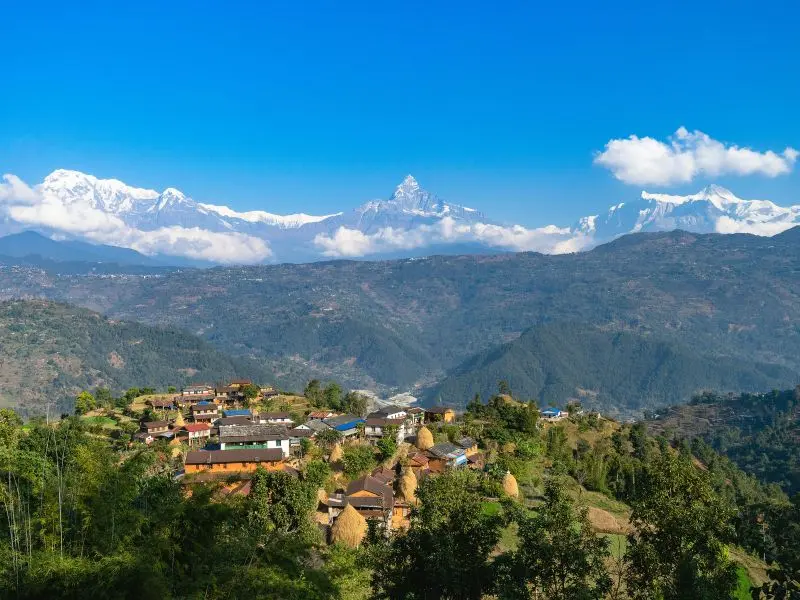
The terrain on these routes moves through real variety: terraced farmland, pine and rhododendron forests, and open ridges with sweeping mountain views. You don't need specialist training or elite fitness. What you need is a decent pair of boots and a willingness to show up.
For solo female travelers, shorter routes have a practical advantage, as you're rarely far from a teahouse, a village, or other trekkers. You can pace yourself honestly, take extra rest, and linger over a view. Starting from Pokhara or Kathmandu, you spend less time in a vehicle getting to the trailhead and more time actually walking.
And the cultural richness on even a three-day trek surprises most first-timers. A night in a Gurung or Tamang village, a meal cooked by someone's grandmother, and an ancient monastery at the top of a ridge—these things don't require weeks to find. They're woven into the trail itself.
Trekking in Nepal in Spring: Pros and Cons
Spring is widely considered one of the best seasons for trekking in Nepal, offering a balance of good weather, vibrant landscapes, and accessible trails. Still, like any trekking season in the Himalayas, it comes with both advantages and a few practical challenges worth considering before you plan your route.
Advantages of Trekking in Nepal in Spring
- Rhododendron forests in bloom: Hillsides across many trekking regions turn vibrant red, pink, and white, creating some of the most beautiful trail scenery of the year.
- Clear mountain views: Spring often brings crisp mornings and excellent visibility, revealing spectacular Himalayan panoramas.
- Comfortable trekking temperatures: Mild daytime weather makes long walking days far more pleasant than the colder winter months or the humid monsoon season.
- Longer daylight hours: More daylight means you can walk at a relaxed pace and still reach your teahouse before evening.
- Lively but safe trails: Popular routes have a steady flow of trekkers, which adds a sense of security without feeling overwhelmingly crowded.
- Chance to experience local festivals: Many Nepali cultural celebrations take place in spring, and encountering one along the trail adds a memorable cultural dimension to the trek.
Disadvantages of Trekking in Nepal in Spring
- Busy popular trails: Well-known routes such as Poon Hill can become crowded during peak spring weeks, especially in April.
- Limited teahouse availability: Accommodation on famous trekking routes can fill up quickly, particularly on weekends and during holiday periods, so booking ahead is often necessary.
- Possible snow at higher elevations: Mountain passes and trails above about 3,500m may still have snow in March and early April, which can slow travel or require route adjustments.
- Afternoon haze in late spring: By late April, warmer temperatures can bring haze to lower valleys, occasionally softening mountain views later in the day.
- Higher demand for permits and services: Since spring is a peak trekking season, guides, porters, and transport can be in high demand if not arranged early.
Top 10 Short Spring Treks in Nepal for Women
Here are the top 10 short spring treks suitable for women, whether they are trekking solo or in groups, which take 3 to 7 days.
Ghorepani Poon Hill Trek (4-5 days)
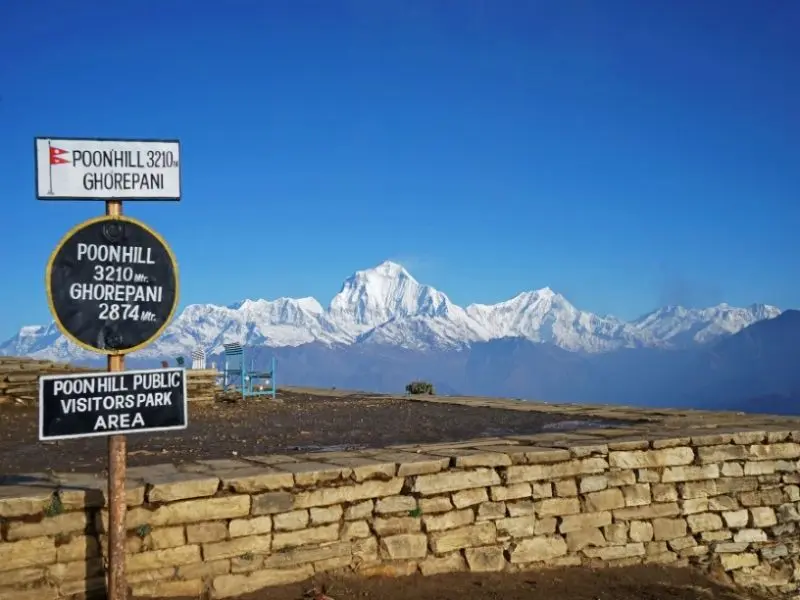
The Ghorepani Poon Hill Trek is one of the moderate and fascinating short treks. The trail from Nayapul climbs through some of the finest rhododendron forests in Nepal, past the villages of Ulleri, Ghorepani, and Tadapani, before the pre-dawn push to Poon Hill at 3,210m. The sunrise from there, the Annapurna and Dhaulagiri ranges catching the first light while the valleys below stay dark, is genuinely hard to prepare for.
Daily walking is five to seven hours on well-marked, well-traveled paths. The hospitality in the villages is warm and unpretentious. For first-time solo female trekkers, this is as close to a perfect introduction as Nepal offers.
- Duration: 4–5 days | Difficulty: Easy to Moderate | Max Altitude: 3,210m
Pikey Peak Trek (4–6 days)
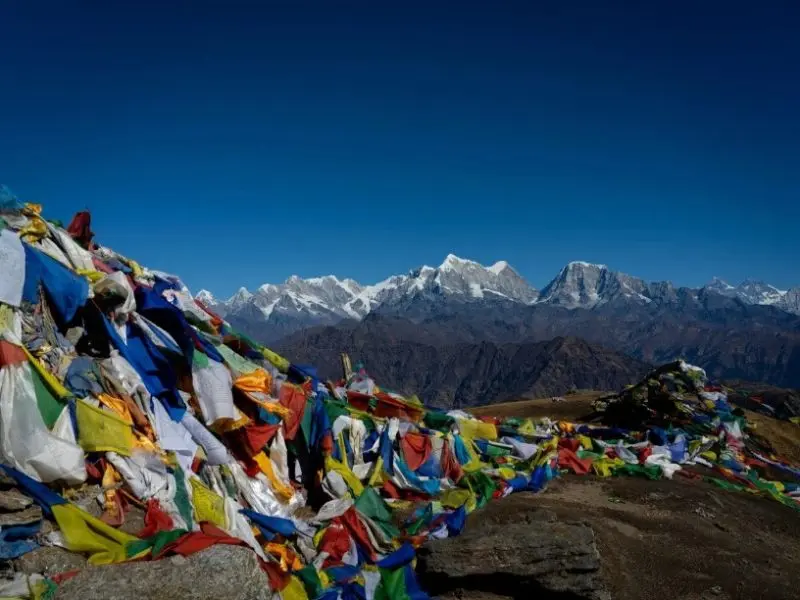
The Pikey Peak Trek is one of the finest treks in Nepal. It's a bold claim, but standing on that summit looking at the full sweep of the Everest massif in dawn light, it's hard to argue. What makes this trek special is the quiet surroundings as you're in the Solu Khumbu region, off the main Everest trail, walking through oak and rhododendron forests past Sherpa villages and old gompas with almost no one else around. This moderate trek suits women who want a bit more challenge without the crowds that usually come with it.
- Duration: 4–6 days | Difficulty: Moderate | Max Altitude: 4,065m
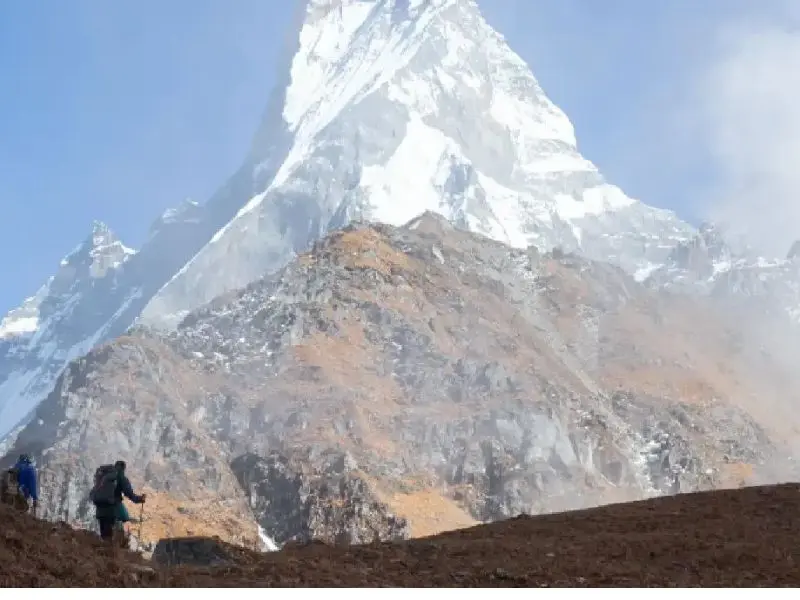
Mardi Himal Trek (5–6 days)
Relatively new as an official route, Mardi Himal Trek has quietly become one of the Annapurna region's most rewarding walks. The trail follows a ridge to the base of Mardi Himal (5,587 m), with Machhapuchhre filling the skyline in a way that feels almost theatrical. You climb through rhododendron forest, then oak, then alpine meadow, with the views growing more dramatic at every turn.
Women who've done this trek often describe it as unexpectedly moving. There's something about the intimacy of the approach, as you're not just looking at the mountains from a distance; you're inside them.
- Duration: 5–6 days | Difficulty: Moderate | Max Altitude: ~4,500m (High Camp)
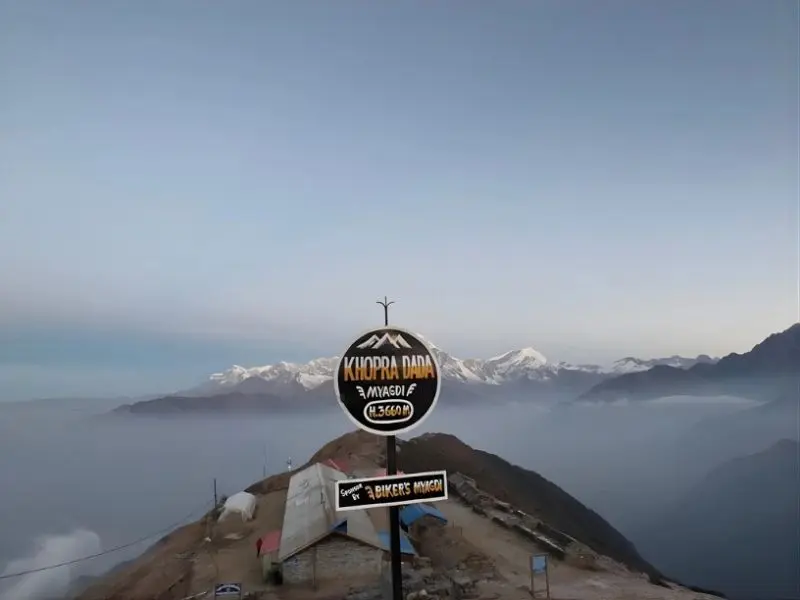
Khopra Ridge Trek (5–6 days)
The Khopra Ridge Trek is a less famous trek route, but it is considered an alternative to Poon Hill, providing breathtaking views of Dhaulagiri and Annapurna. South of the Annapurna Sanctuary, the ridge delivers panoramas of Dhaulagiri, Annapurna South, and Nilgiri — without the queue for a teahouse bunk. The trail feels wilder here, the rhododendron forests denser, and on a quiet morning the sense of solitude is complete.
Teahouses exist, and the route is marked, but the atmosphere is genuinely remote. For women who want adventure with their safety net intact, Khopra Ridge Trek strikes the balance well.
- Duration: 5–6 days | Difficulty: Moderate | Max Altitude: 3,660m
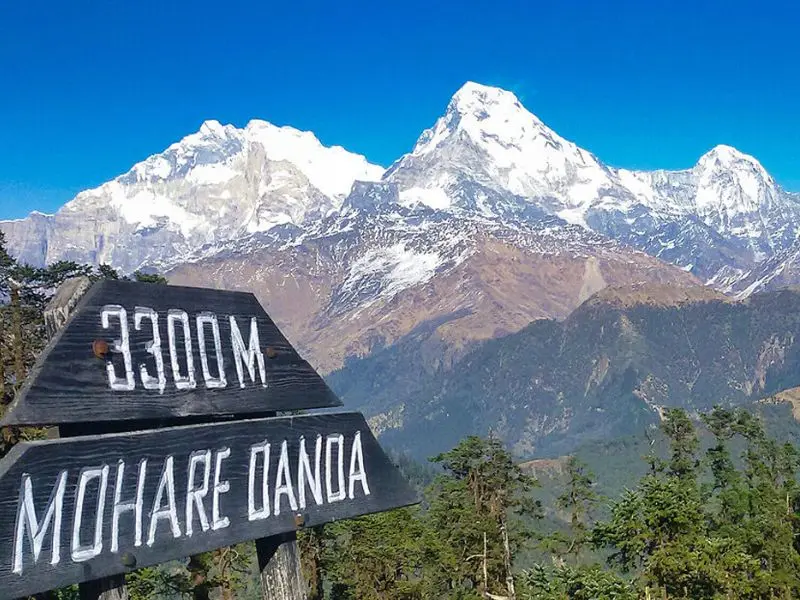
Mohare Danda Trek (3–4 days)
Short on time but unwilling to compromise on the view? Mohare Danda Trek is your answer. In three to four days, this route delivers a sunrise panorama with Annapurna, Dhaulagiri, and Himalchuli glowing in sequence—that rivals Poon Hill, with a fraction of the foot traffic. The trail climbs through rhododendron and pine, passes through quiet Gurung villages, and ends at a community-managed lodge on the ridge at 3,300m.
The community homestay model here means your money goes directly to local women and families. A good trek made better by knowing that.
- Duration: 3–4 days | Difficulty: Easy to Moderate | Max Altitude: ~3,300m
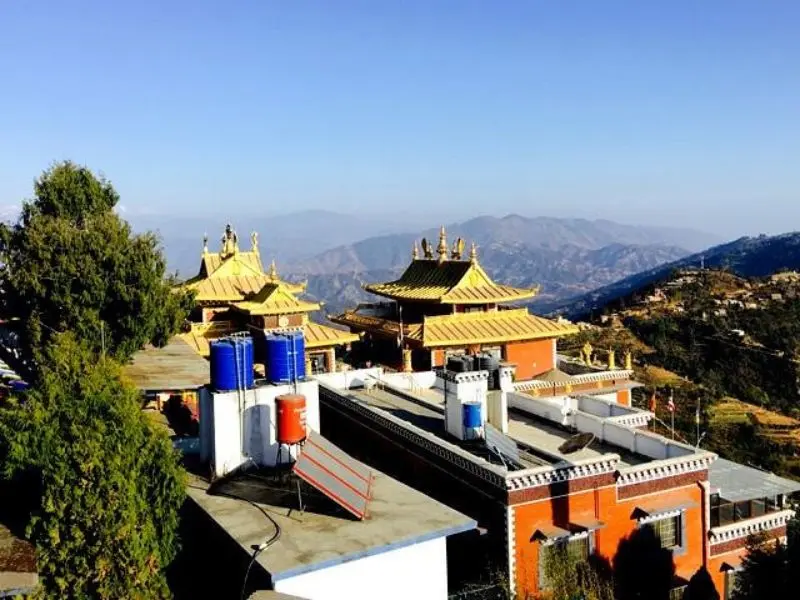
Dhulikhel-Namo Buddha-Balthali Trek (3–4 days)
Close to Kathmandu and deeply rewarding, this route threads together ancient Newari towns, terraced farmland, and forested ridges before arriving at Namo Buddha—one of the most sacred Buddhist sites in Asia. The atmosphere here is unlike anything on the more commercial trekking circuits: prayer flags, the smell of incense, monks going about their day, and views of the Langtang and Everest ranges opening up from hilltop clearings.
It's an ideal first trek for women based in Kathmandu. Balthali village at the end, with its quiet eco-lodges and vegetable gardens, is worth staying an extra night for.
- Duration: 3–4 days | Difficulty: Easy | Max Altitude: ~1,500m
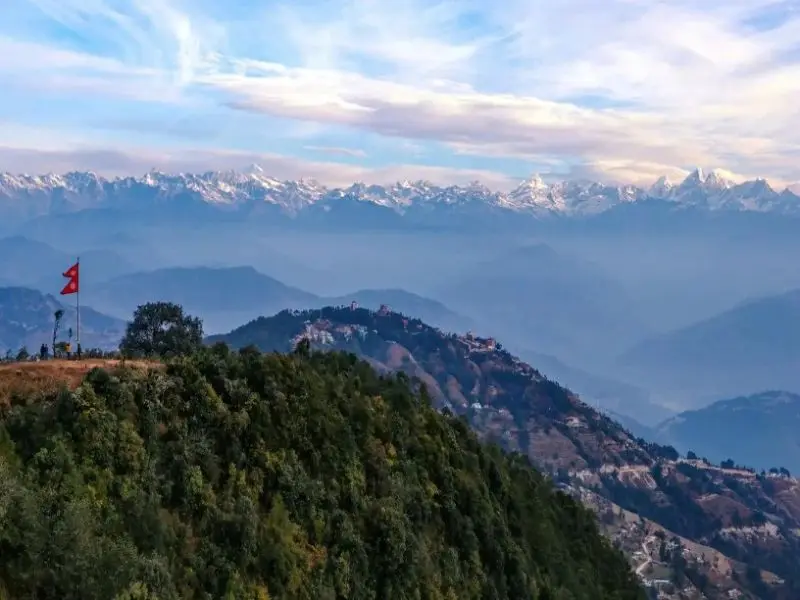
Chisapani Nagarkot Trek (3 days)
Just an hour from Kathmandu, this route takes you through Shivapuri National Park along forested ridges to Nagarkot, where on a clear morning you can count more than a dozen Himalayan peaks lined up on the horizon. The trail is well-marked and patrolled. The walking is gentle. The sunrise from Nagarkot is legitimately spectacular.
For women with limited time who still want that moment of standing above the clouds and looking out at the Himalayas, this three-day walk delivers it cleanly.
- Duration: 3 days | Difficulty: Easy | Max Altitude: ~2,175m
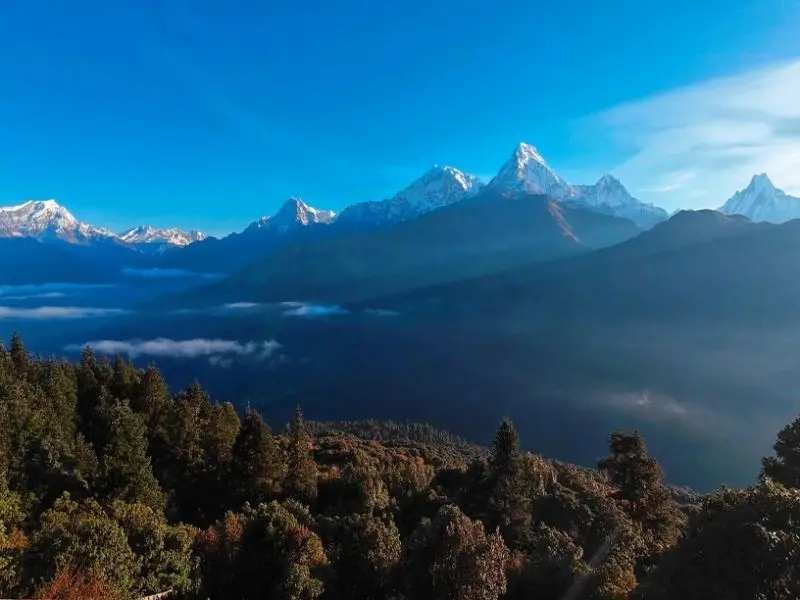
Dhampus Village Trek (2–3 Days)
The most accessible trek from Pokhara, and not to be underestimated. The trail climbs through terraced fields and rhododendron forest to the Gurung village of Dhampus at around 1,650m, with Machhapuchhre and the Annapurna range sitting directly in front of you. Women weave on handlooms in open courtyards. Elders work their terraced gardens. The smell of dal bhat carries across the village in the evenings.
Sunrises and sunsets here are extraordinary. For two or three days, Dhampus has a way of making the rest of the world feel very far away.
- Duration: 2–3 days | Difficulty: Easy | Max Altitude: ~1,650m
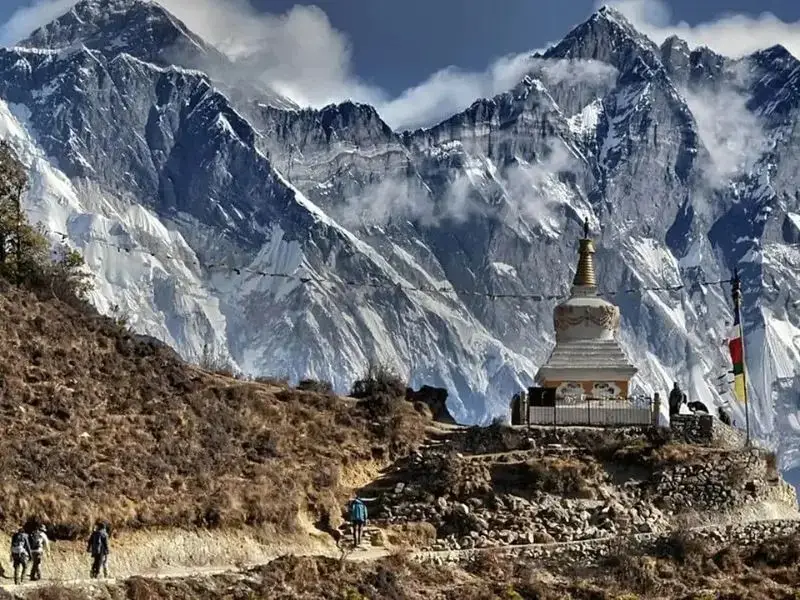
Helambu Circuit Trek (5–6 days)
North of Kathmandu, the Helambu Circuit winds through the villages of the Hyolmo people — a community with deep Tibetan Buddhist roots and a warmth toward visitors that's immediately apparent. Spring brings the rhododendrons out in full force here, and the Langtang range comes into view across clear skies that make the altitude feel like a gift.
Daily walking is five to seven hours on supported trails with good teahouse coverage. For women who want something culturally immersive and physically honest without venturing into extreme terrain, Helambu is a quiet revelation.
- Duration: 5–6 days | Difficulty: Easy to Moderate | Max Altitude: ~3,600m
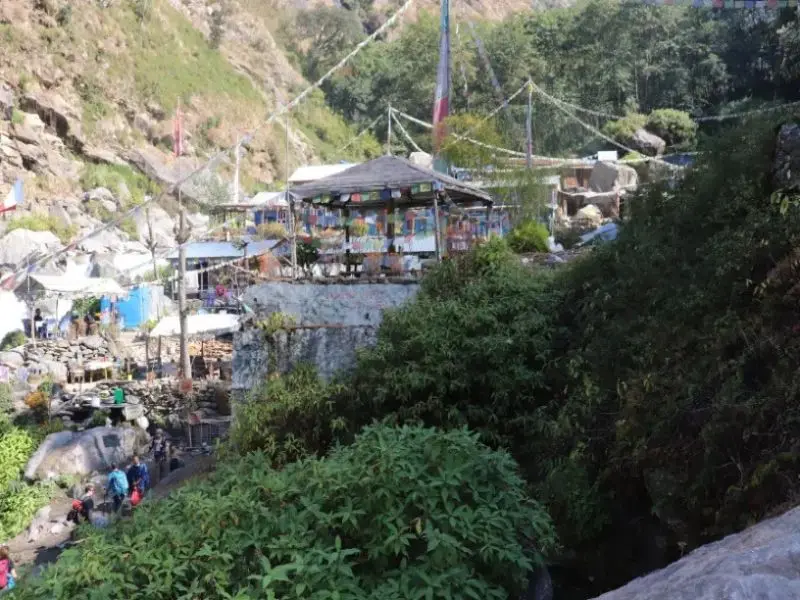
Tamang Heritage Trail Trek (6–7 days)
The most culturally layered trek on this list is the Tamang Heritage Trail. It lies in the Langtang region, which takes you into the daily life of one of Nepal's most vibrant indigenous communities—village homestays, centuries-old gompas, shared meals, bamboo and oak forests, and rhododendron ridges. In this trek, you're not observing from a distance; you're genuinely inside the culture.
For women who care less about reaching a summit and more about understanding a place, this trail is unmatched. The people you meet on the Tamang Heritage Trail tend to stay with you.
- Duration: 6–7 days | Difficulty: Moderate | Max Altitude: ~3,165m
Preparing for Short Spring Treks
Preparing well before your trek helps ensure that even short Himalayan routes feel enjoyable rather than exhausting. With the right fitness, gear, and understanding of local customs, you can focus less on logistics and more on the landscapes and cultural experiences that make trekking in Nepal so rewarding.
Physical Fitness and Health Tips
You don't need to be an athlete. You do need to be honest with yourself about your current fitness.
- Start preparing six to eight weeks out with regular cardio, brisk walking, cycling, or jogging—four times a week for 30 to 45 minutes.
- Add leg and core strength work: squats, lunges, step-ups, and planks.
- If you can, practice hiking on uneven ground with a loaded daypack, building up to 7–10kg comfortably.
- Hydrate well in the weeks before you travel, as it's one of the most underrated defenses against altitude sickness.
- If you have any existing medical conditions, speak to your doctor before committing to a route.
- Carry any medications you need and a basic first-aid kit.
Essential Gear and Clothing for Women
Spring weather in the mountains shifts quickly, especially at altitude. So, prepare
- A good layering system that matters most, like a moisture-wicking base layer, mid-layer fleece or down, and waterproof shell.
- Your boots should be waterproof and supportive at the ankle—never take new boots on a trek.
- Trekking poles are optional but worth it on descents, particularly for your knees.
- Sun protection is non-negotiable at altitude: high-SPF sunscreen, UV-rated sunglasses, a sun hat, and lip balm. The sun above 3,000m is more intense than it looks.
Packing Checklist for Comfort and Safety
- Biodegradable toiletries, menstrual supplies, and basic first aid (blister plasters, antiseptic, Diamox, ibuprofen).
- Reusable water bottle and purification tablets or a SteriPen.
- Trail snacks, headlamp, portable charger, copies of permits and emergency contacts, and Nepali rupees in cash. Many teahouses on short routes don't take cards.
Trekking Etiquette and Local Customs
- Dress modestly through villages and near religious sites, with shoulders and knees covered, as a general rule.
- Ask before photographing people.
- Stay on the marked trails.
- Walk clockwise around stupas and mani walls.
- Buy from local teahouses and artisans where you can. These small courtesies matter to the communities whose land you're walking through, and they change how those communities experience tourism over time.
Choosing the Right Trek Based on Fitness and Experience
Here is the simplest framework given below, which helps you choose the right trek based on your fitness and experience.
- New to trekking: Start with Chisapani–Nagarkot (3 days), Dhampus Village (2–3 days), or Mohare Danda (3–4 days). Gentle gradients, good support, big views.
- Moderately fit: Ghorepani Poon Hill (4–5 days), Mardi Himal (5–6 days), or Helambu Circuit (5–6 days) will suit you well. Expect five to seven hours of walking daily.
- Experienced and wanting more: Pikey Peak, Khopra Ridge, and the Tamang Heritage Trail go higher, feel more remote, and deliver proportionally greater rewards.
If you're unsure, our team at Women Adventures is happy to talk it through with you honestly.
Safety and Tips for Women Trekkers
Trekking in Nepal is generally safe for women, but preparation and awareness make a big difference in how comfortable and confident the experience feels. Understanding your options for trekking style, support on the trail, and basic safety planning helps ensure the journey is both empowering and enjoyable.
Solo Trekking vs. Group Trekking
Solo trekking in Nepal is genuinely feasible for women, especially on popular short routes where you're rarely truly alone. It offers complete freedom — your pace, your stops, your decisions. It requires more self-reliance and preparation.
Group trekking with Women Adventures means sharing the experience with other women, led by certified female guides who know these trails in detail. For first-timers, or women who'd rather not carry the full weight of planning and navigation, this is the warmer option.
Neither is wrong. It depends entirely on what you want from the trip.
Hiring Guides and Porters
Hiring a local guide is one of the best decisions a woman trekker in Nepal can make. At Women Adventures, our guides are women. A good female guide doesn't just know the trail — she reads the terrain, understands altitude, navigates cultural nuance, and makes the whole experience richer. A porter means you carry only a light daypack, arriving at your teahouse fresh rather than depleted. It's not a luxury — it's practical, and it significantly reduces injury risk.
Staying Connected and Emergency Planning
Pick up a local SIM (NTC or Ncell) in Kathmandu or Pokhara. Download offline maps on Maps.me or AllTrails before you leave. Keep numbers saved: your trekking agency, nearest hospital, Nepal police (100), and tourist police (1115). Get trekking insurance that covers helicopter evacuation — no exceptions. Register your trek with TIMS and carry the right permits.
Personal Safety Tips for Women on the Trail
Trust your instincts. If something feels wrong, act on that feeling without apologizing for it. Carry a small whistle on your pack strap. Plan your daily distance to arrive at your teahouse before dark. Keep your passport, cash, and phone in a money belt worn under your clothing. Share your itinerary with someone you trust—a guide, the hotel, or a friend at home.
Conclusion
Hence, spring is one of the most rewarding times for short treks in Nepal, offering clear mountain views, blooming rhododendrons, and comfortable trekking conditions. For women travelers, these shorter routes provide a perfect balance of adventure, safety, and cultural experience without requiring weeks on the trail.
Whether you choose a scenic sunrise trek like Poon Hill, a peaceful ridge walk such as Mohare Danda, or a culturally rich trail like the Tamang Heritage route, each journey offers a unique glimpse into Nepal’s landscapes and communities.
At Women Adventures, we're here to make sure the journey is safe, well-supported, and entirely yours.
FAQs: Short Spring Treks in Nepal for Women
What Are the Safest and Best Short Spring Treks in Nepal for Women?
The safest and most popular options include the Ghorepani Poon Hill Trek (4–5 days), Chisapani–Nagarkot Trek (3 days), Dhampus Village Trek (2–3 days), and the Dhulikhel–Namo Buddha–Balthali Trek (3–4 days).
Do I Need a Guide or Porter for These Short Treks?
While it's technically possible to trek independently on some routes, hiring a guide is strongly recommended for first-time trekkers and solo female trekkers.
How Do I Choose the Right Trek Based on My Fitness Level?
Honest self-assessment is key. If you exercise regularly and can walk 4–5 hours comfortably, any of our 10 recommended treks are accessible with proper preparation.
Which Treks Are Closest to Pokhara or Kathmandu?
From Pokhara: Ghorepani Poon Hill, Mardi Himal, Khopra Ridge, Mohare Danda, and the Dhampus Village Trek and from Kathmandu: Chisapani–Nagarkot, Dhulikhel–Namo Buddha–Balthali, Helambu Circuit, and Tamang Heritage Trail.
How Long Are the Short Spring Treks in Nepal?
Our recommended short spring treks range from just 2 days (Dhampus Village) to 7 days (Tamang Heritage Trail).